GrapheneOS Is Expanding Its Supported Devices — and Motorola Is on the List
Companies Mentioned
Why It Matters
Expanding beyond Pixel devices opens GrapheneOS to a broader user base, strengthening privacy options in the mainstream Android market. The move also positions Motorola as a privacy‑centric alternative to Google and Samsung flagship phones.
Key Takeaways
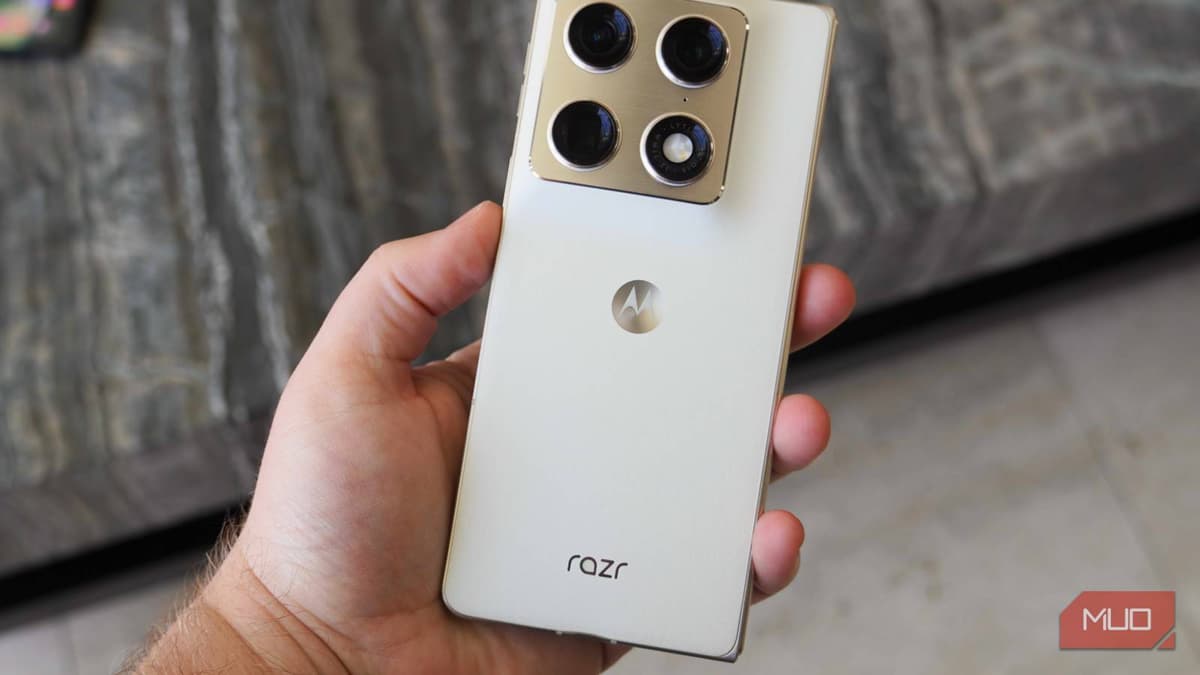
- •GrapheneOS will support Motorola Signature, Razr Ultra, and Razr Fold
- •Partnership aims to bring hardware‑based security like memory tagging to Motorola
- •Motorola Razr Fold features Snapdragon 8 Gen 5, 16 GB RAM
- •GrapheneOS will sell pre‑installed devices through Motorola starting 2027
- •Privacy‑focused ROM removes Google services while supporting sandboxed Play Services
Pulse Analysis
GrapheneOS has built its reputation on delivering a hardened, de‑Googled Android experience, but its adoption has been limited by a strict hardware whitelist that only includes Google’s Pixel line. By design, the ROM requires features such as hardware memory tagging and a tightly controlled boot process, which Pixel devices provide out of the box. This exclusivity has kept the platform in the niche of security enthusiasts, despite growing demand for privacy‑first mobile operating systems among mainstream consumers.
The new alliance with Motorola marks a strategic pivot for both parties. Motorola’s flagship lineup—particularly the Razr Fold with its Snapdragon 8 Gen 5 chipset, 16 GB of RAM, and a 6,000 mAh silicon‑carbon battery—meets the performance and security thresholds GrapheneOS demands. By collaborating on firmware adaptations and hardware validation, Motorola can offer devices that ship with GrapheneOS pre‑installed, eliminating the complex flashing process that currently deters many users. This partnership also boosts Motorola’s market positioning, allowing it to compete directly with Google’s Pixel and Samsung’s Galaxy lines on the privacy front.
Looking ahead, the 2027 rollout could catalyze broader industry shifts. As more manufacturers consider privacy‑centric ROMs, the Android ecosystem may see a diversification of default software experiences, reducing Google’s monopoly over mobile services. For consumers, the ability to purchase a ready‑to‑use, secure phone without technical barriers could accelerate the mainstream adoption of privacy‑first mobile computing. Competitors will likely respond with their own secure‑by‑design offerings, fostering a more competitive landscape that benefits users seeking control over their data.
GrapheneOS is expanding its supported devices — and Motorola is on the list
Comments
Want to join the conversation?
Loading comments...