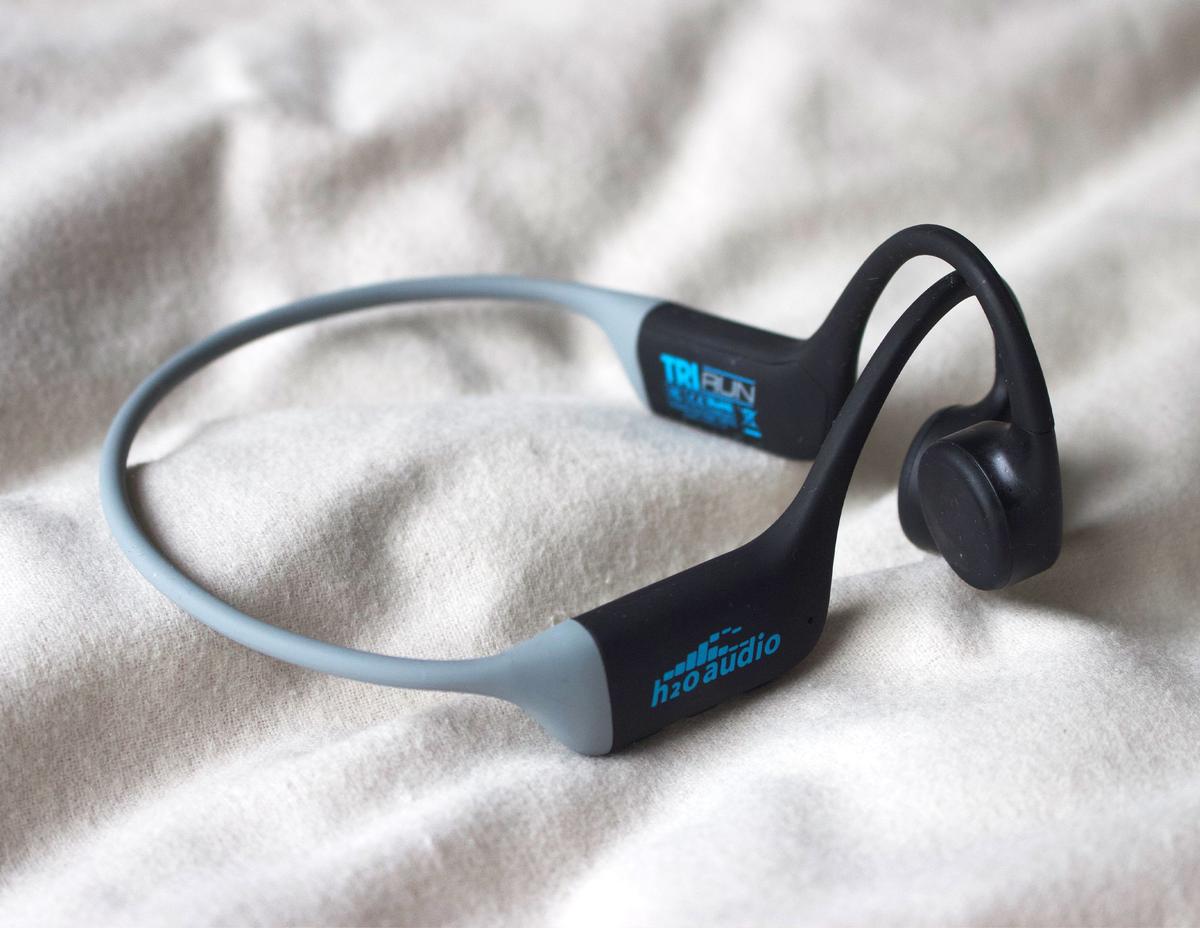
H2O Audio Tri Run Workout Headphones Review: A Little Underwhelming
Companies Mentioned
Why It Matters
The review underscores how difficult it is for affordable bone‑conduction headphones to match the sound and battery standards set by market leaders, influencing consumer purchasing decisions in the active‑wear audio segment.
Key Takeaways
- •Tri Run priced at $99, under $100 entry point.
- •Comfortable neckband, IPX8 rating, stable Bluetooth connection.
- •Sound quality muddy bass, grainy treble; struggles in noisy outdoors.
- •Battery lasts ~5‑6 hours at high volume, no fast charge.
- •Shokz OpenRun Pro 2 outperforms in sound and battery for $120.
Pulse Analysis
Bone‑conduction technology has carved a niche for athletes who need situational awareness, yet the market remains dominated by a few premium players. H2O Audio’s Tri Run attempts to democratize the category by pricing under $100, a threshold that could attract casual runners and cyclists. While the neckband’s lightweight titanium‑silicone construction and IPX8 waterproofing meet the durability expectations of active users, the product’s acoustic limitations reveal why price alone cannot compensate for the physics of bone‑conduction. The lack of an app, EQ controls, and a proprietary sound driver results in a flat frequency response that struggles against wind and traffic noise, a common outdoor scenario.
The battery life narrative further illustrates the trade‑offs inherent in low‑cost designs. Advertised at seven hours, real‑world testing shows a drop to five or six hours when volume is cranked up to overcome ambient sound—exactly the situation where users need the most power. The absence of fast‑charging capabilities and reliance on a unique charging cable add friction for athletes who juggle multiple accessories. In contrast, competitors like Shokz’s OpenRun Pro 2, though priced around $120, deliver longer playback, quicker recharge cycles, and a more refined acoustic profile, reinforcing the premium’s value proposition.
For consumers, the key decision hinges on priorities: if open‑ear awareness and a secure fit are paramount, the Tri Run offers a competent, budget‑friendly option. However, users seeking richer audio fidelity, longer endurance, and seamless multi‑device connectivity may find the incremental cost of a higher‑priced alternative justified. The review signals that the market still lacks a truly competitive, sub‑$100 bone‑conduction headphone that can rival established brands, suggesting room for innovation and potential disruption as manufacturers refine transducer technology and battery efficiency.
H2O Audio Tri Run Workout Headphones Review: A Little Underwhelming
Comments
Want to join the conversation?
Loading comments...