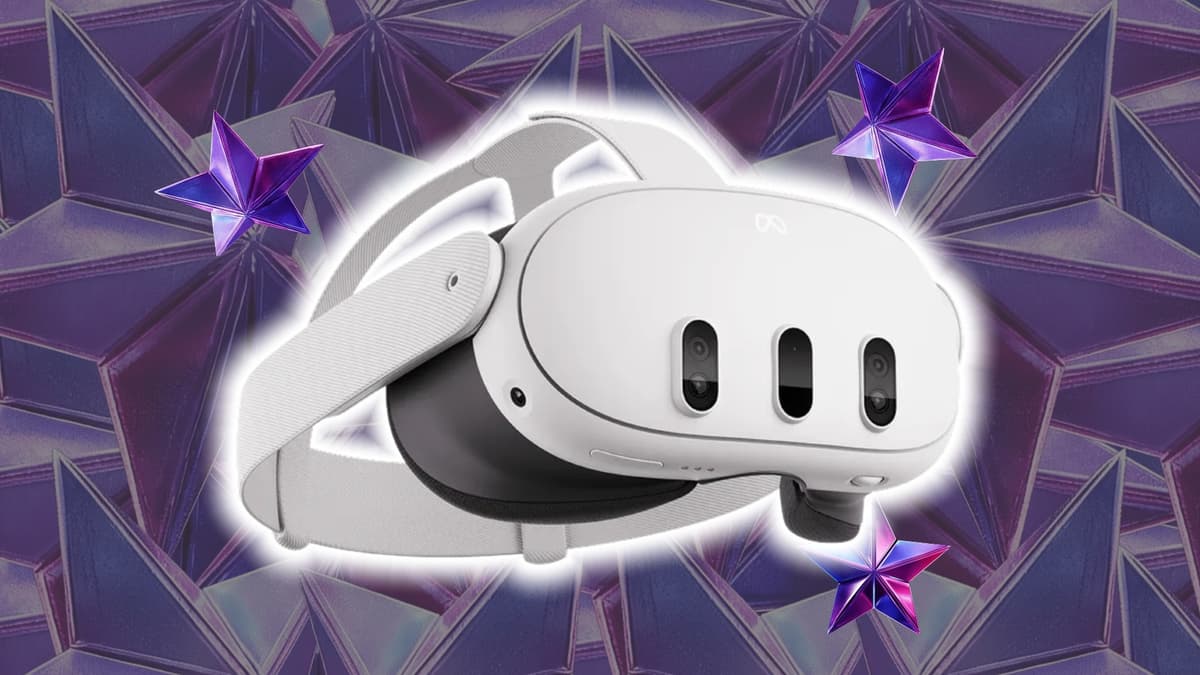
Here's How You Can Get a Meta Quest 3 for Just $1 with This Shooting Star of a Bundle
•February 24, 2026
0
Why It Matters
A $1 entry chance could dramatically lower the barrier to VR adoption, accelerating Meta’s ecosystem growth while driving incremental game sales through the bundle’s random‑key model.
Key Takeaways
- •Snapdragon XR2 Gen 2 powers Meta Quest 3
- •120 Hz refresh reduces motion sickness
- •Fanatical bundle offers $1 chance at Quest 3
- •Random Steam keys add value to each purchase
Pulse Analysis
The Meta Quest 3 represents a significant hardware leap in the consumer VR market. By integrating the Snapdragon XR2 Gen 2 chipset, Meta delivers sharper visuals and smoother motion at 120 Hz, directly addressing the motion‑sickness concerns that have hampered broader adoption. Coupled with a growing catalog of native titles and seamless PC streaming, the headset now rivals high‑end PC rigs while retaining the convenience of a standalone device, positioning Meta as the de‑facto leader in affordable premium VR.
Fanatical’s $1 Mystery Star Bundle leverages a classic loot‑box mechanic to entice buyers. Each star provides a guaranteed Steam key—ranging from blockbuster AAA to niche indie titles—while also entering the purchaser into a sweepstakes for a Quest 3, Steam Deck, or other $1,000‑plus prize packs. This structure creates a perceived value multiplier: consumers pay a penny for a potential high‑ticket item, driving volume sales and expanding Meta’s user base without a direct discount on the hardware. The model also fuels cross‑platform engagement, as winners are likely to spend further on Meta’s ecosystem.
For the VR industry, such ultra‑low‑cost entry points could catalyze a new wave of first‑time users. Lowering the financial hurdle encourages experimentation, which may translate into longer‑term subscription revenue for Meta’s Horizon services and increased demand for VR content creators. Competitors will feel pressure to match or innovate beyond these promotional tactics, potentially accelerating hardware improvements and content diversification across the sector. In short, the $1 bundle is less about handing out free headsets and more about seeding a larger, more active VR community that benefits the entire ecosystem.
Here's how you can get a Meta Quest 3 for just $1 with this shooting star of a bundle
0
Comments
Want to join the conversation?
Loading comments...