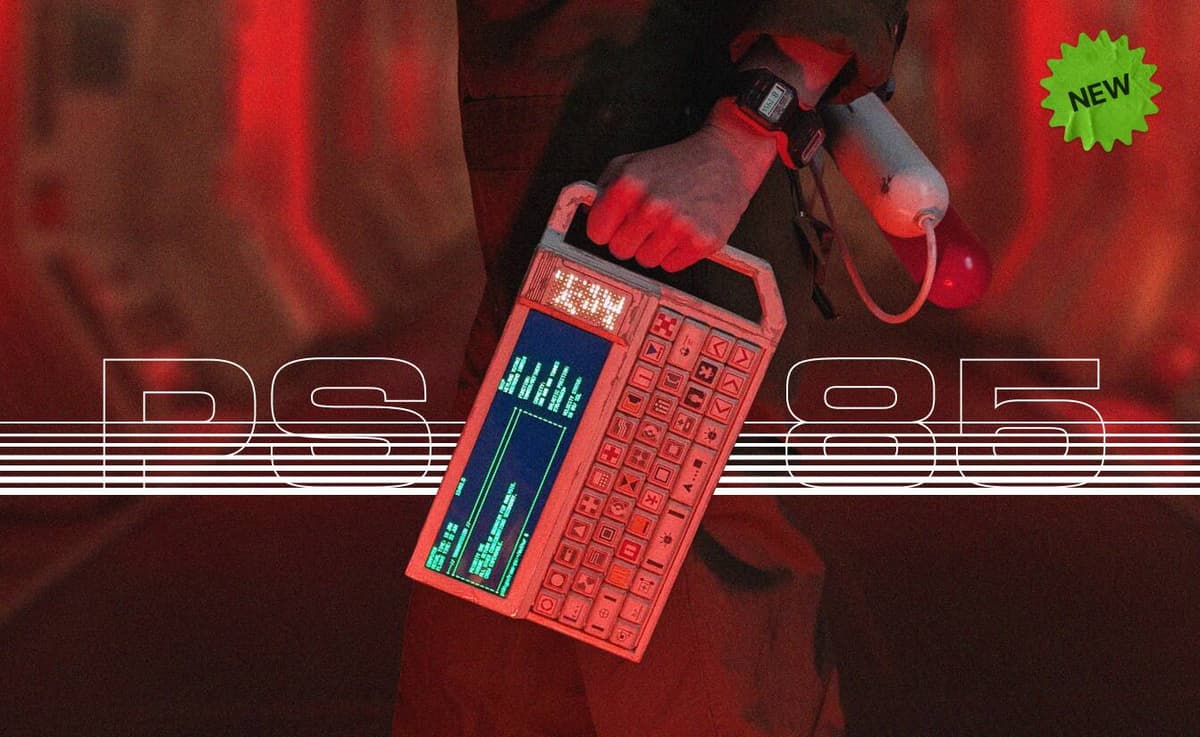
Hobbyist Xenomorphs Raspberry Pi Into Alien-Themed DIY Laptop

Companies Mentioned
Why It Matters
The PS‑85 showcases how open‑source hardware can fuse pop‑culture design with affordable computing, appealing to niche enthusiasts and signaling a growing market for aesthetic‑driven DIY tech.
Key Takeaways
- •PS‑85 uses Raspberry Pi Zero 2 W with 512 MB RAM.
- •40% mechanical keyboard includes hot‑swappable switches.
- •All design files are open‑source; no pre‑built units sold.
- •Aesthetic inspired by 1979 Alien film and 1985 Epson PX‑4.
- •Creator Jeff Merrick keeps project hobby‑focused, not a business.
Pulse Analysis
The PS‑85 illustrates how the maker community continues to blend pop‑culture nostalgia with functional hardware. By leveraging the inexpensive Raspberry Pi Zero 2 W, hobbyist Jeff Merrick delivers a portable terminal that looks like it belongs on a Weyland‑Yutani starship while remaining affordable for enthusiasts. The design taps into the enduring appeal of the 1979 *Alien* franchise, a visual language that has migrated from cinema to tabletop gaming and now to custom cyberdecks. This crossover of sci‑fi aesthetics and open‑source engineering resonates with a growing segment of consumers who value both style and DIY empowerment.
Technically, the PS‑85 is a bare‑bones slate‑style computer. It pairs a 5‑inch LCD with a 40 % mechanical keyboard, and the Pi Zero 2 W provides 512 MB of RAM and a quad‑core ARM Cortex‑M0+ processor. While the hardware cannot run demanding graphical applications, it excels at command‑line tasks, network diagnostics, and portable coding sessions. All CAD drawings, firmware, and assembly instructions are released under an open‑source license, allowing builders to modify keycaps, swap switches, or upgrade to a more powerful board. This openness fuels a collaborative ecosystem where a handful of users have already printed and assembled their own units.
Projects like the PS‑85 signal a broader shift toward niche, aesthetic‑driven hardware that blurs the line between art and utility. As 3‑D printing becomes more accessible, creators can produce limited‑run devices that cater to specific fandoms or retro‑computing enthusiasts without the overhead of mass production. Although Merrick explicitly rejects commercialization, the model demonstrates how open‑source designs can generate community buzz, inspire derivative products, and potentially inform mainstream manufacturers seeking to tap into the retro‑futurist trend. For businesses, monitoring these grassroots innovations offers early insight into emerging consumer preferences.
Hobbyist xenomorphs Raspberry Pi into Alien-themed DIY laptop
Comments
Want to join the conversation?
Loading comments...