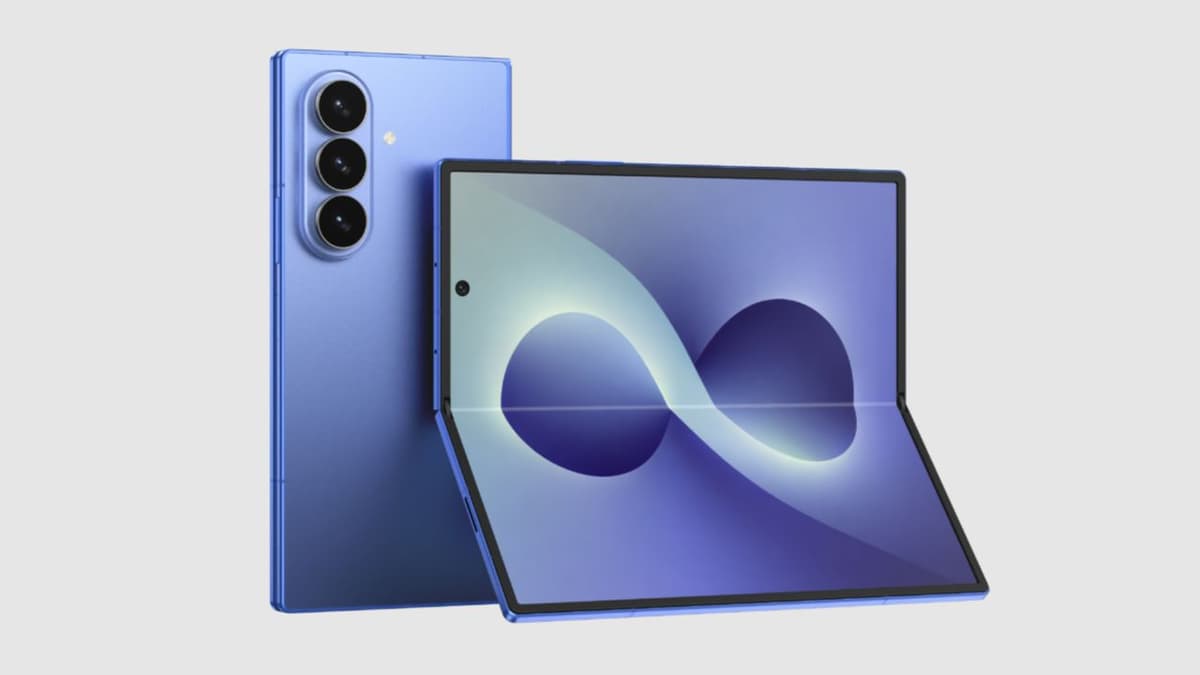
How Fast Is the Samsung Galaxy Z Fold 8 Charging Speed?
Companies Mentioned
Why It Matters
Faster charging and a bigger battery reduce downtime for power‑hungry foldable users, strengthening Samsung’s hold on the premium foldable segment. The incremental upgrade signals Samsung’s strategy of refining existing hardware rather than overhauling the form factor, keeping the product line competitive without major risk.
Key Takeaways
- •5,000 mAh battery replaces 4,400 mAh in Fold 7.
- •Wired charging jumps to 45 W, double previous speed.
- •Wireless charging stays at 15 W, unchanged from Fold 7.
- •Design remains largely unchanged, offering only incremental upgrades.
- •Motorola Razr Fold leads with 80 W wired, 50 W wireless.
Pulse Analysis
The foldable smartphone market has moved from a niche curiosity to a mainstream battleground, with Samsung and Motorola as the primary contenders. Samsung’s Galaxy Z Fold 8 arrives amid heightened competition and a consumer appetite for longer screen time without tethered charging. By boosting the battery capacity to 5,000 mAh and doubling wired charging power to 45 W, Samsung addresses the most frequent criticism of its previous models—short endurance and sluggish top‑up rates—while preserving the familiar hinge design that has defined the Fold series.
Charging speed matters as users increasingly rely on their devices for productivity, media consumption, and multitasking across dual displays. The 45 W wired charger cuts the time to reach 80% from roughly two hours on the Fold 7 to about an hour, a tangible improvement for professionals on the go. Although wireless charging remains at 15 W, the faster wired option aligns the Fold 8 with other flagship smartphones that now offer 30‑50 W charging, narrowing the gap with competitors. However, Motorola’s Razr Fold still outpaces Samsung with 80 W wired and 50 W wireless capabilities, positioning it as the performance leader in the segment.
Strategically, Samsung’s incremental approach reflects a balance between innovation and risk management. Rather than a radical redesign, the company opts for modest hardware tweaks that enhance user experience without disrupting the existing ecosystem of accessories and software optimizations. This tactic keeps the Fold line relevant and profitable while allowing Samsung to allocate resources toward other high‑growth areas such as AI‑driven software and foldable display durability. As the foldable market matures, the ability to deliver tangible, everyday benefits—like quicker charging—will be a key differentiator for manufacturers vying for premium‑price loyalty.
How fast is the Samsung Galaxy Z Fold 8 charging speed?
Comments
Want to join the conversation?
Loading comments...