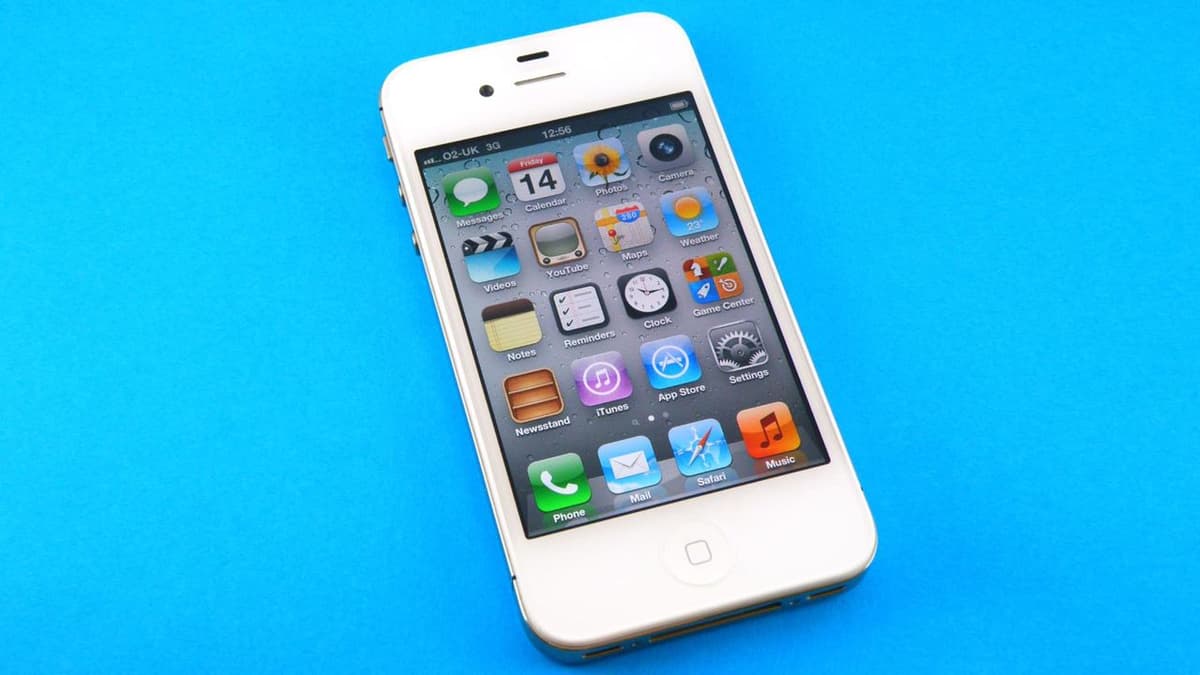
How the White iPhone 4 May Have Accidentally Paved the Way for Apple’s Next Big iPhone Shakeup

Companies Mentioned
Why It Matters
The white iPhone 4’s delay reshaped Apple’s product calendar, influencing revenue timing and competitive positioning, and the potential new split launch could again redefine consumer upgrade cycles.
Key Takeaways
- •White iPhone 4 delayed 10 months due to proximity sensor issue
- •Delay forced iPhone 4S launch shift from summer to October 2011
- •Resulting gap established September rollout that persists through iPhone 15
- •Rumors suggest iPhone 18 Pro line debut fall 2026, budget models 2027
- •Split launch could reshape carrier subsidies and consumer upgrade cycles
Pulse Analysis
The white iPhone 4’s protracted launch was more than a manufacturing hiccup; it exposed a rare flaw in Apple’s hardware‑testing rigor. The proximity sensor, overwhelmed by the device’s white chassis when the flash fired, produced blurry images—a problem absent in the black model. Apple’s decision to fix the issue rather than scrap the product meant a 10‑month delay, a move that rippled through its product schedule and forced a rare postponement of the subsequent iPhone 4S.
That postponement created an unintended but strategic opening. By moving the 4S to October 2011, Apple established a clear separation between flagship releases, which later evolved into a stable September launch window starting with the iPhone 5 in 2012. The September cadence aligned better with carrier contract cycles, holiday sales, and fiscal reporting, giving Apple a predictable revenue boost and a competitive edge over rivals still launching in the summer.
Looking ahead, the rumored bifurcated rollout of the iPhone 18 series could repeat this calendar disruption. Splitting premium models into a fall 2026 debut while holding back budget variants until spring 2027 may allow Apple to stagger demand, extend the product lifecycle, and capture two distinct buying windows. Analysts anticipate that such a strategy could pressure carrier subsidies, alter inventory planning, and reshape consumer upgrade expectations, echoing the lasting legacy of a white phone launched fifteen years ago.
How the white iPhone 4 may have accidentally paved the way for Apple’s next big iPhone shakeup
Comments
Want to join the conversation?
Loading comments...