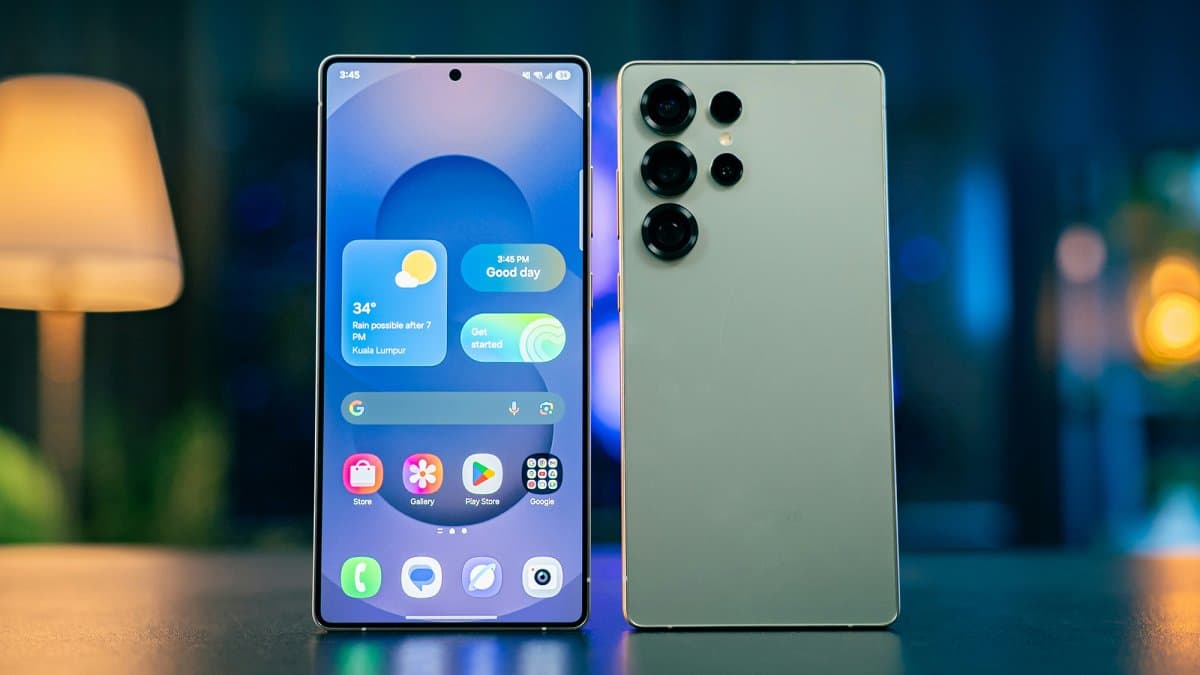
How to Refresh Your Phone without Upgrading It
Companies Mentioned
Why It Matters
Delaying a handset upgrade saves consumers hundreds of dollars and lessens electronic waste, while keeping devices secure and efficient.
Key Takeaways
- •Uninstall unused apps to free memory and reduce background processes
- •Disable background refresh on iOS and Android to improve battery and speed
- •Use built‑in storage cleaners to delete duplicates and large files
- •Perform a factory reset after backing up data for a fresh start
- •Extending device life cuts costs and reduces electronic waste
Pulse Analysis
Smartphone performance degradation is a predictable part of the device lifecycle. As operating systems evolve, they demand more processing power and storage, while users naturally install a growing number of apps. This combination leads to slower launch times, reduced battery endurance, and occasional crashes. Rather than accepting these symptoms as inevitable, consumers can apply a disciplined maintenance routine that mirrors the upkeep of a computer, thereby extracting additional months—or even years—of value from the original hardware investment.
Key optimization tactics focus on three pillars: app management, storage hygiene, and system refresh. Removing rarely used applications not only frees RAM but also eliminates background services that drain power and clutter the processor. Built‑in utilities on Android and iOS now surface duplicate files, oversized media, and rarely accessed data, allowing users to reclaim gigabytes with a few taps. For devices that have accumulated years of usage, a factory reset—performed after a thorough cloud backup—restores the operating system to its factory state, wiping residual bloat and often delivering a noticeable speed boost comparable to a mid‑range new phone.
Beyond the immediate performance gains, extending a phone’s usable life carries broader economic and environmental benefits. The average U.S. consumer spends $800‑$1,200 on a flagship handset; postponing a replacement can save that amount and reduce the demand for resource‑intensive manufacturing. Moreover, fewer discarded devices translate into lower e‑waste volumes, a growing concern for regulators and sustainability advocates. As AI‑driven diagnostics become standard in mobile OSes, future updates may automate many of these maintenance steps, further empowering users to keep devices fast, secure, and cost‑effective without ever needing to upgrade.
How to refresh your phone without upgrading it
Comments
Want to join the conversation?
Loading comments...