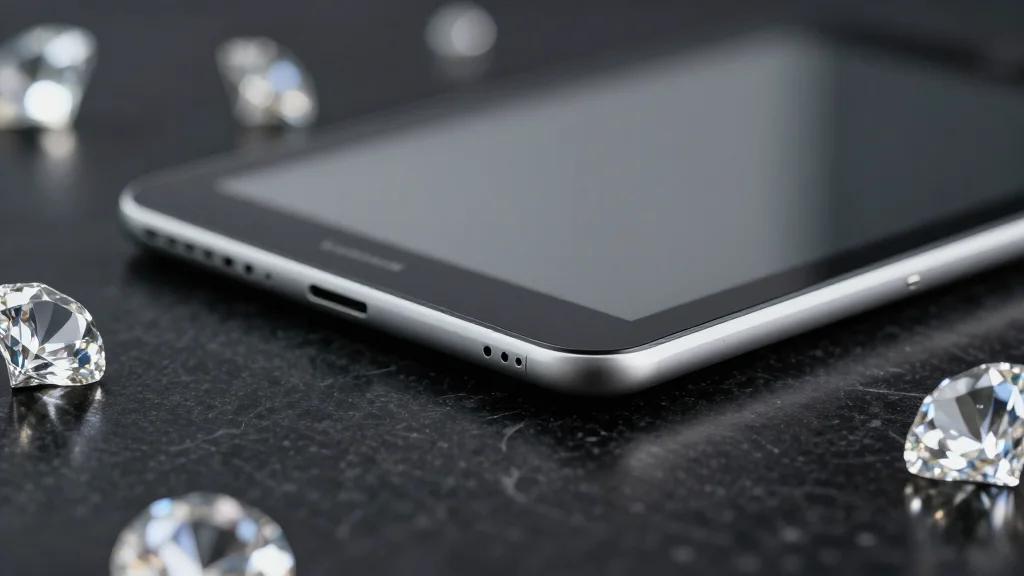
Huawei Debuts World's Thinnest Tablet and $4,400 Diamond Smartwatch in Bangkok

Companies Mentioned
Why It Matters
Huawei’s entry into the luxury consumer tech segment could redefine the competitive landscape for premium devices. By marrying high‑end materials with advanced technology, the company challenges the perception that Chinese brands are limited to cost‑effective solutions. If the diamond smartwatch and ultra‑thin tablet gain traction, they may open a new revenue stream that offsets declining smartphone sales and strengthens Huawei’s brand positioning in affluent markets. The Southeast Asian focus underscores the region’s growing importance as a market for premium electronics. As disposable incomes rise, consumers in countries like Thailand, Vietnam, and the Philippines are increasingly willing to spend on status‑driven gadgets. Huawei’s Bangkok launch serves as a litmus test for demand, and its outcomes could inform how other Chinese firms approach luxury product development and regional marketing strategies.
Key Takeaways
- •Huawei unveiled the world’s thinnest tablet and a $4,400 diamond‑encrusted smartwatch in Bangkok on Thursday.
- •The launch targets Southeast Asian consumers, a region identified as Huawei’s next growth engine.
- •The diamond smartwatch is positioned as a luxury accessory, competing with high‑end timepieces.
- •Huawei’s wearables division has previously reported strong sales in China, now expanding to premium markets.
- •Retail rollout for both products is planned for later this quarter in select Southeast Asian markets.
Pulse Analysis
Huawei’s pivot toward luxury hardware reflects a strategic recalibration after years of regulatory pressure on its flagship smartphone business. By leveraging its deep supply‑chain capabilities, the company can source premium materials—such as diamonds—at scale, enabling price points that rival traditional luxury watchmakers while still offering advanced connectivity features. This hybrid approach could attract a niche segment of consumers who value both status and technology, a demographic that has been relatively untapped by Chinese manufacturers.
Historically, luxury tech has been dominated by a handful of Western brands that command premium pricing through brand heritage and design pedigree. Huawei’s entry disrupts this paradigm by offering comparable luxury at a potentially lower cost of ownership, thanks to its vertically integrated production model. If the market responds positively, we may see a cascade of similar offerings from other Chinese firms, accelerating a shift toward high‑margin, design‑focused product lines across the industry.
However, success is not guaranteed. The luxury market is highly sensitive to brand perception, and Huawei must overcome lingering geopolitical concerns that have affected its brand in Western markets. Its decision to debut the products in Bangkok—a neutral, growth‑oriented market—suggests a calculated effort to build credibility away from political flashpoints. The coming months will reveal whether the combination of ultra‑thin engineering and opulent aesthetics can translate into sustained demand, and whether Huawei can leverage this momentum to re‑establish itself as a global leader in premium consumer technology.
Huawei Debuts World's Thinnest Tablet and $4,400 Diamond Smartwatch in Bangkok
Comments
Want to join the conversation?
Loading comments...