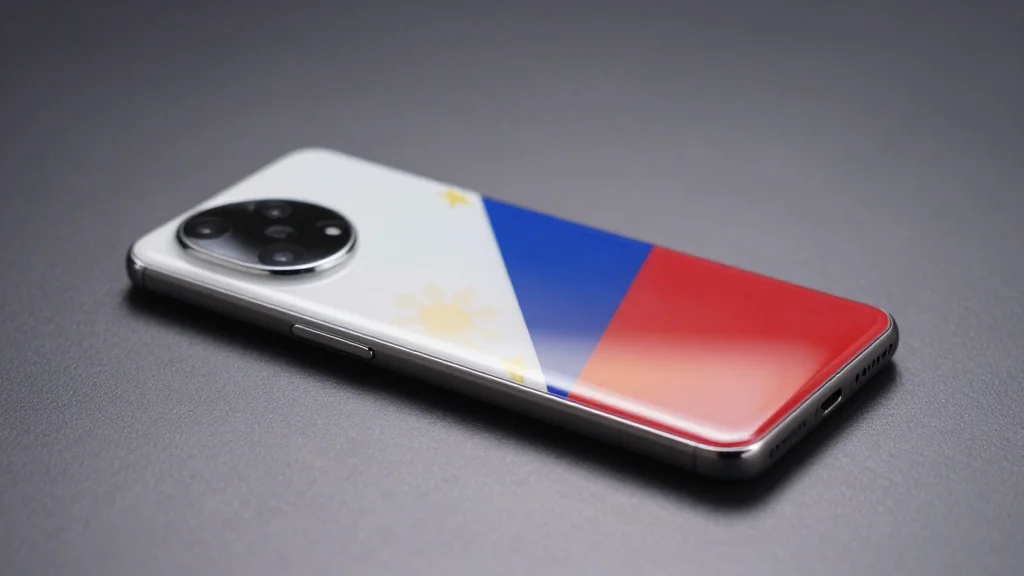
Huawei Mate 80 Pro Launches in Philippines on April 17, Priced at $1,250

Companies Mentioned
Why It Matters
Huawei’s re‑entry into the Philippine flagship segment demonstrates the company’s confidence in its hardware roadmap despite ongoing geopolitical constraints. By pricing the Mate 80 Pro competitively and bundling high‑value accessories, Huawei seeks to attract consumers who have migrated to rival ecosystems, potentially reshaping brand loyalty in a market where Android dominance is already high. If the device gains traction, it could encourage other Chinese manufacturers to pursue similar premium‑grade launches in Southeast Asia, intensifying competition on price, camera performance, and ecosystem integration. Success would also validate Huawei’s strategy of building a self‑sufficient software stack while still offering essential Google Workspace tools, a hybrid approach that could become a template for future releases in regions with mixed app ecosystem preferences.
Key Takeaways
- •Huawei Mate 80 Pro launches in Philippines on April 17 at PHP 69,999 (~$1,250)
- •Limited promo price PHP 64,999 (~$1,160) plus PHP 5,000 (~$89) bank‑card discount
- •Early‑buyer bundle includes free Huawei Watch GT 5 (≈$232) and premium care service (≈$179)
- •Phone features 50 MP main camera, 48 MP tele‑macro lens, 5,750 mAh battery with 100 W wired charging
- •Positions Huawei against iPhone 15 Pro and Galaxy S24, targeting price‑sensitive premium segment
Pulse Analysis
Huawei’s decision to re‑introduce a flagship Mate device in the Philippines reflects a calculated gamble on brand equity versus ecosystem limitations. The Mate 80 Pro’s hardware specs—especially its high‑resolution sensors and rapid‑charge capabilities—match or exceed those of its Apple and Samsung counterparts, but the real test lies in software adoption. By bundling Google Workspace apps while promoting the AppGallery, Huawei attempts to bridge the gap for users who need productivity tools without fully committing to a Google‑free environment.
Historically, Huawei’s flagship launches have been anchored by groundbreaking hardware innovations, such as the first AI NPU in the Mate 10 and satellite communications in the Mate 50. The Mate 80 Pro continues this narrative with its AI Composition engine and dual‑phase cooling system, reinforcing the brand’s image as a technology pioneer. However, the absence of native Google Play Services still hampers broader appeal, particularly among younger consumers who rely on a wide array of Google‑centric apps.
From a market dynamics perspective, the pricing strategy—slightly undercutting Samsung’s flagship while offering tangible accessories—could lure cost‑conscious buyers who view the iPhone 15 Pro as overpriced. If early sales data shows strong uptake, competitors may be forced to introduce deeper incentives or accelerate their own price adjustments in the region. Conversely, a lukewarm response would underscore the lingering impact of supply‑chain restrictions and could push Huawei to double‑down on its own ecosystem, perhaps accelerating the rollout of native services and localized content to compensate for the missing Google layer.
Overall, the Mate 80 Pro launch is a litmus test for Huawei’s ability to blend premium hardware with a hybrid software model in a market that values both performance and app availability. Its outcome will likely influence the company’s rollout cadence across other Southeast Asian markets and shape the competitive calculus for global flagship smartphones in the coming year.
Huawei Mate 80 Pro launches in Philippines on April 17, priced at $1,250
Comments
Want to join the conversation?
Loading comments...