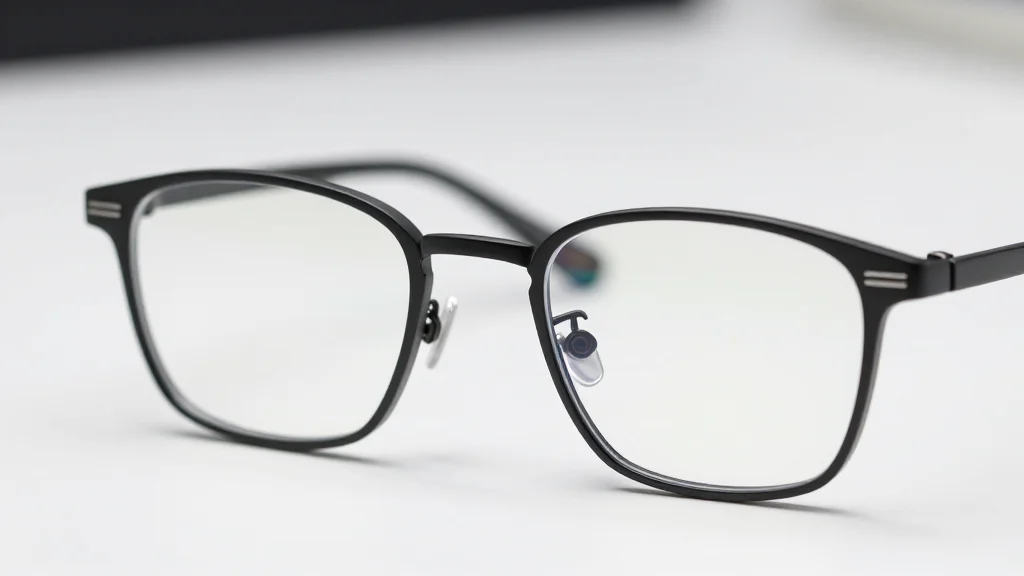
Huawei Unveils AI Glasses with 12MP Camera, Real‑Time Translation and IP54 Rating



Why It Matters
Huawei’s entry into the premium smart‑eyewear segment raises the performance bar for consumer AR devices. By delivering a high‑resolution camera, on‑device AI and a durable, water‑resistant design at a competitive price, the company challenges the dominance of Meta’s Ray‑Ban and Oakley collaborations and could accelerate mainstream acceptance of AR glasses. If Huawei can translate its strong hardware pedigree and extensive software ecosystem into sustained sales, it may force other manufacturers to prioritize integrated AI chips and longer battery life, reshaping product roadmaps across the wearables industry.
Key Takeaways
- •Huawei AI Glasses launch with 12MP camera, HDR Vivid and AI RAW processing
- •Three designs weigh 35.5 g, feature titanium‑alloy hinge and IP54 rating
- •Dual‑engine AI chip powers on‑device assistant Celia and real‑time translation in 20 languages
- •Battery delivers up to 12 hours of mixed use; 258 mAh cell charges 3 hours in 10 minutes
- •Pricing: 2,499 yuan ($366) for two models, 2,899 yuan ($425) for the sunglasses variant, undercutting Meta’s offerings
Pulse Analysis
Huawei’s AI Glasses represent a strategic push to leverage its hardware expertise and HarmonyOS ecosystem against a market that has been dominated by Western players. The decision to embed a custom AI chip addresses latency concerns that have plagued cloud‑reliant wearables, offering instant responses for translation, image enhancement and voice commands. This on‑device processing not only improves user experience but also sidesteps data‑privacy concerns that have limited adoption in regions with strict regulations.
From a competitive standpoint, Huawei’s pricing strategy is aggressive. By offering a richer camera system and longer battery life at a price point comparable to Meta’s lower‑end models, the company forces rivals to justify higher margins or accelerate feature rollouts. The inclusion of QR‑code payments and deep integration with Huawei’s smart‑home suite also creates a lock‑in effect for existing Huawei customers, potentially expanding the ecosystem’s reach.
Looking ahead, the success of the AI Glasses will hinge on software differentiation and developer support. While the hardware is compelling, the value proposition will be determined by the breadth of AI‑driven applications, from travel translation to health monitoring. If Huawei can cultivate a vibrant third‑party app market and deliver regular OTA updates, it could establish a sustainable foothold in consumer AR, prompting a wave of innovation across the sector.
Huawei Unveils AI Glasses with 12MP Camera, Real‑Time Translation and IP54 Rating
Comments
Want to join the conversation?
Loading comments...