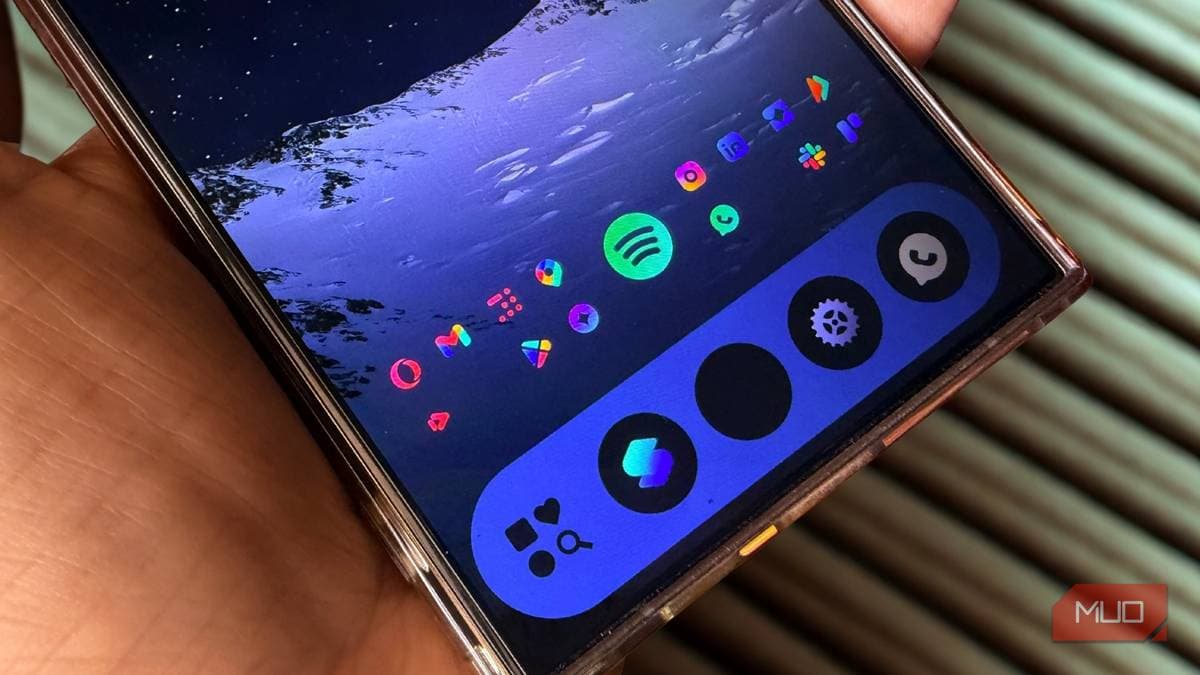
I Added a Windows-Style Taskbar to Android, and It Just Makes Sense
Companies Mentioned
Why It Matters
By bringing desktop‑style multitasking to standard smartphones, DSK Mode boosts productivity and narrows the feature gap between foldables and regular devices, highlighting rising demand for deeper UI customization.
Key Takeaways
- •DSK Mode adds Windows‑style taskbar to any Android slab phone
- •Free version limits recent apps to seven, three launchable
- •Premium unlocks full app drawer tabs for $5/year or $10 lifetime
- •Floating bar adapts to gesture or three‑button navigation
Pulse Analysis
Android users have long sought a more desktop‑like experience on their phones, but Google’s native taskbar remains exclusive to foldable hardware. This limitation has spurred a niche market for third‑party solutions that replicate desktop multitasking on slab devices. DSK Mode enters this space by leveraging Android’s Accessibility Service to draw a persistent taskbar overlay, effectively turning a smartphone into a mini‑PC workstation without requiring hardware changes.
The app’s design adapts to the user’s navigation preference: a sticky bar for traditional three‑button layouts and a discreet floating bar for gesture‑based systems. By surfacing recently used apps and offering a customizable app drawer, DSK Mode reduces the friction of the standard recent‑apps carousel, allowing instant context switches that mirror Windows or macOS workflows. For power users, the ability to pin favorite apps and adjust bar height further personalizes the interface, turning routine phone interactions into streamlined productivity sessions.
From a market perspective, DSK Mode’s freemium model—free with ads and a modest $5 annual or $10 lifetime premium—demonstrates viable monetization for utility‑focused Android enhancements. Its success could encourage OEMs to integrate similar taskbars at the OS level, especially as consumer expectations evolve toward hybrid desktop‑mobile experiences. As multitasking becomes a differentiator in the crowded Android ecosystem, tools like DSK Mode may shape the next wave of UI innovation, blurring the line between phone and workstation.
I added a Windows-style taskbar to Android, and it just makes sense
Comments
Want to join the conversation?
Loading comments...