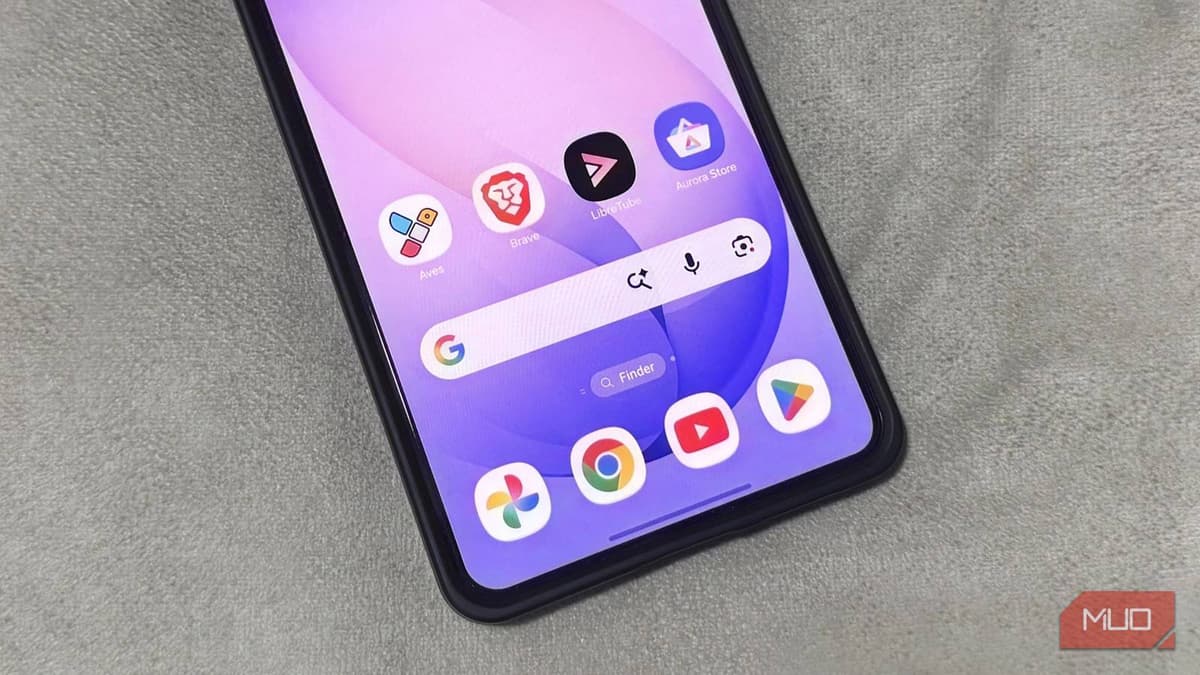
I Didn’t Expect Open-Source Apps to Beat Google Apps on My Phone — but They Did
Companies Mentioned
Why It Matters
The shift highlights growing consumer demand for privacy‑first, cost‑free alternatives, challenging Google’s monopoly on Android services. Enterprises and power users can now lower data‑exposure risks while maintaining productivity.
Key Takeaways
- •LibreTube offers ad‑free YouTube with background play, no Google login
- •Aves Gallery provides clean media management and detailed storage stats
- •LeanType delivers AI‑powered typing, offline processing, and custom dictionaries
- •Brave blocks trackers by default, often loads pages faster than Chrome
- •Aurora Store lets users download Play Store apps without a Google account
Pulse Analysis
The Android ecosystem is increasingly fertile ground for open‑source innovation, driven by heightened privacy awareness and the desire to avoid subscription fees. While Google’s suite remains pre‑installed on most devices, developers are leveraging the platform’s openness to create feature‑rich replacements that respect user data. Apps such as LibreTube and Aurora Store demonstrate how community‑driven projects can replicate premium functionality—ad‑free streaming, secure app downloads—without the corporate data collection pipeline.
Each highlighted app addresses a specific pain point in Google’s lineup. LibreTube eliminates ads and adds background playback, mirroring YouTube Premium without the cost. Aves Gallery streamlines photo organization with a minimalist interface and detailed storage analytics, countering Google Photos’ AI‑heavy bloat. LeanType’s AI‑assisted keyboard offers on‑device proofreading and translation, while Brave’s built‑in tracker blocking often yields faster page loads than Chrome. Aurora Store provides a pseudo‑Play Store experience while keeping Google credentials private, appealing to users wary of ecosystem lock‑in.
For businesses, the rise of these alternatives signals a potential shift in mobile productivity and security strategies. Deploying open‑source tools can reduce licensing expenses and mitigate data‑leak risks, especially in regulated industries. Moreover, the growing user base may pressure Google to enhance privacy features or reconsider its monetization models. Companies that adopt or support these apps position themselves at the forefront of a more decentralized, user‑centric mobile landscape.
I didn’t expect open-source apps to beat Google apps on my phone — but they did
Comments
Want to join the conversation?
Loading comments...