I Didn’t Expect These Earbuds to Win Me over with Such a Rare Feature
Companies Mentioned

Why It Matters
A replaceable case battery demonstrates a move toward sustainable, right‑to‑repair audio gear, offering consumers a cost‑effective way to extend device lifespan and pressuring rivals to adopt similar practices.
Key Takeaways
- •Pixel Buds 2a case battery removable with two Torx screws.
- •Battery swap takes minutes; official replacement costs $30.
- •Most earbuds lack any battery replaceability, leading to disposability.
- •Repairable case could set new standard for sustainable earbud design.
Pulse Analysis
Wireless earbuds have long been a throwaway category because their tiny, glued‑in batteries die after a few years, forcing users to replace the entire unit. This design flaw contributes significantly to electronic waste, as discarded earbuds end up in landfills despite the relatively low material cost. Industry leaders have focused on sound quality and active noise cancellation, but the underlying sustainability issue remains largely ignored, leaving environmentally conscious consumers with few choices.
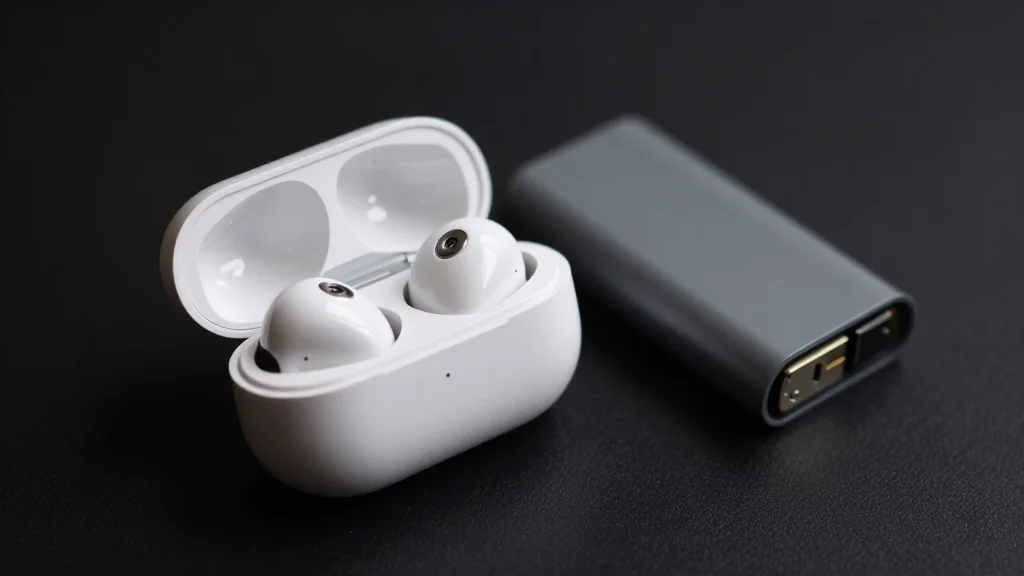
Google’s Pixel Buds 2a break that pattern by exposing a simple, screw‑secured battery compartment in the charging case. Users can remove the two T5 Torx screws, slide out the old cell, and install a new one in under five minutes. The official replacement, priced at $30 on iFixit, is readily available, ensuring the repair ecosystem is functional from day one. Compared with Samsung’s fleeting Galaxy Buds Live replaceable‑battery experiment and Fairbuds’ niche repair‑friendly approach, Google’s mainstream offering signals a more scalable model for repairability in the mass market.
The broader impact could be a catalyst for the right‑to‑repair movement within consumer audio. As repair guides and affordable parts become commonplace, manufacturers may face increasing pressure to design earbuds with modular components, not just premium sound. For businesses, this translates into new revenue streams for parts and service, while consumers benefit from lower total cost of ownership. If the industry embraces such design philosophies, the next generation of earbuds could combine high‑fidelity audio with a circular‑economy mindset, reducing waste and extending product lifecycles.
I didn’t expect these earbuds to win me over with such a rare feature
Comments
Want to join the conversation?
Loading comments...