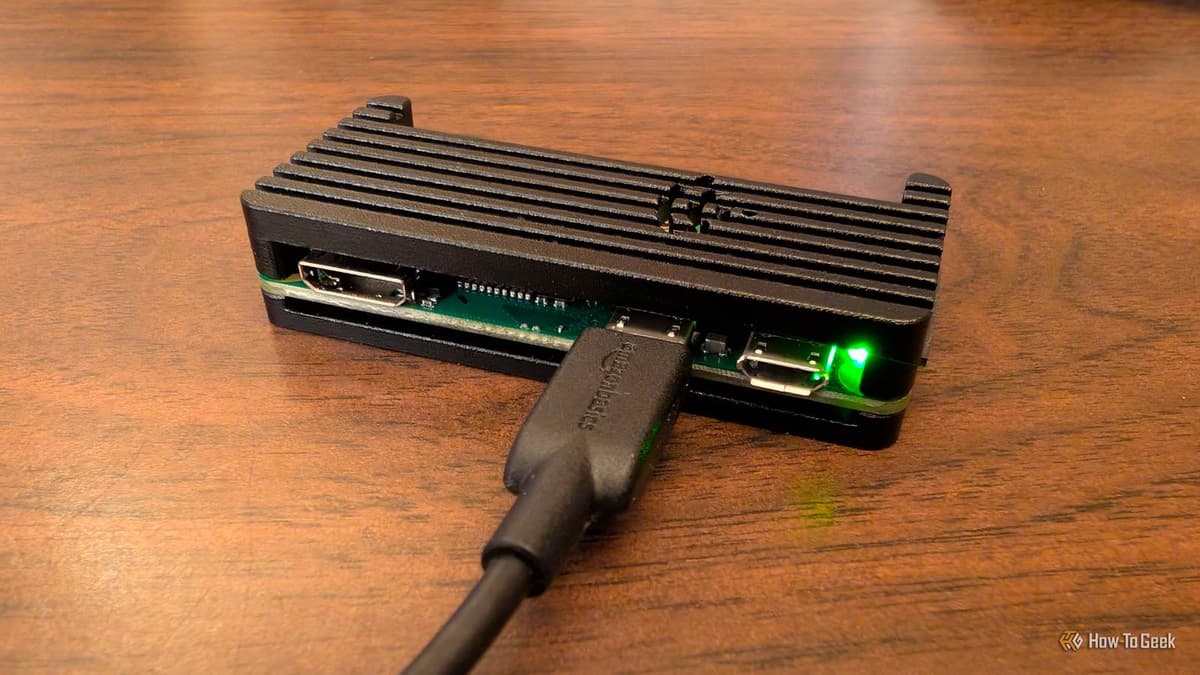
I Ditched Google's DNS for a $20 Raspberry Pi, and I Stopped Handing My Web History to Third Parties
Companies Mentioned
Why It Matters
By removing third‑party DNS services, households gain privacy and security without recurring fees, a compelling alternative as data‑privacy concerns rise. The low‑cost, DIY approach also demonstrates how consumers can reclaim control over their internet traffic.
Key Takeaways
- •Raspberry Pi Zero 2 W costs around $20, enabling DIY DNS.
- •Pi-hole + Unbound creates a local recursive resolver and ad blocker.
- •Eliminates third‑party DNS queries, protecting browsing history from Google and ISPs.
- •Initial DNS lookups are slower; subsequent queries are near‑instant.
- •Single point of failure; backup resolver recommended for network resilience.
Pulse Analysis
Domain Name System (DNS) lookups are the invisible handshake that powers every web request, yet most consumers rely on public resolvers such as Google’s 8.8.8.8 or Cloudflare’s 1.1.1.1. Those services log every domain request, creating a detailed picture of a user’s browsing habits that can be monetized or handed over to regulators. As privacy regulations tighten and awareness of data collection grows, the demand for self‑hosted DNS solutions has surged, positioning the Raspberry Pi as a practical gateway to reclaiming that visibility.
A Pi‑hole paired with Unbound transforms a $20 Raspberry Pi Zero 2 W into a full‑featured recursive resolver that filters ads, trackers, and known malware at the DNS layer. Unbound performs the heavy lifting of root‑zone queries while Pi‑hole applies community blocklists, returning 0.0.0.0 for unwanted domains. The hardware’s modest 512 MB RAM and quad‑core ARM CPU are more than sufficient for a household of dozens of devices, delivering sub‑second response times after the initial cache warm‑up. This configuration eliminates third‑party DNS traffic, reduces latency on repeat visits, and incurs negligible electricity costs.
The trade‑offs are equally important. The first lookup for a new site incurs a noticeable delay as Unbound builds its cache, and the Pi becomes a single point of failure—if it goes offline, the entire network loses name resolution. Savvy users mitigate risk by configuring a secondary public resolver or a spare Pi as a failover. Nonetheless, the approach showcases how inexpensive, open‑source tools can empower consumers to protect their digital footprints, a trend likely to influence larger ISPs and enterprise networks seeking cost‑effective privacy solutions.
I ditched Google's DNS for a $20 Raspberry Pi, and I stopped handing my web history to third parties
Comments
Want to join the conversation?
Loading comments...