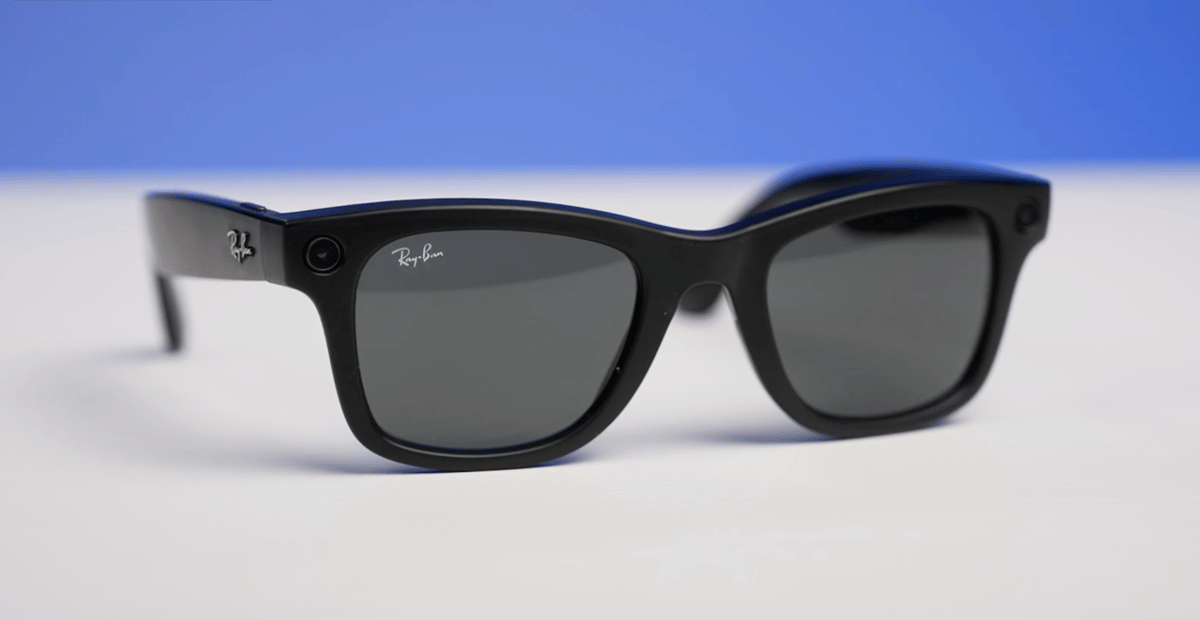
I Ditched My iPhone and Used the Second-Generation Ray-Ban Meta (2nd Gen) by Using It as My Travel Guide in Rome, Italy — but I Absolutely Got the Wrong Pair

Companies Mentioned

Why It Matters
The Gen 2 upgrade narrows the gap between niche wearables and mainstream consumer devices, but lingering privacy issues could curb broader adoption in the fast‑growing AR market.
Key Takeaways
- •Gen 2 starts at $379, $80 more than first gen.
- •Battery life doubled to 8 hours on‑glasses, 48 hours case.
- •Video now supports 3K HDR, but still lacks preview screen.
- •Meta AI offers translations but can hallucinate facts.
- •Privacy concerns persist due to always‑on cameras and microphones.
Pulse Analysis
The smart‑glasses segment is heating up as major players vie for a foothold in augmented reality, and Ray‑Ban’s partnership with Meta positions the Meta Gen 2 as one of the most affordable options on the market. At $379, it undercuts premium headsets like Apple’s Vision Pro while offering a familiar eyewear form factor that appeals to fashion‑conscious consumers. Its upgraded battery—up to eight hours of continuous use and a case that adds another 48 hours—addresses one of the biggest pain points that has limited wear time for earlier models, making it a more viable companion for day‑long travel or work trips.
Performance‑wise, the Gen 2 retains the 12 MP ultra‑wide sensor but expands video capabilities to 3K HDR at 30 fps, delivering clearer footage than the 1080p baseline of its predecessor. Audio improvements and a more robust open‑ear speaker system enhance media consumption, yet the lack of a live preview screen still forces users to frame shots by feel, a drawback for content creators. Meta’s AI integration shines in real‑time translations and contextual information, but occasional hallucinations—such as incorrect historical details about the Colosseum—highlight the technology’s infancy and the need for better verification mechanisms.
From a market perspective, the Gen 2’s modest price hike and tangible battery gains could accelerate mainstream acceptance of smart glasses, especially among travelers and early adopters seeking hands‑free assistance. However, privacy remains a critical barrier; the always‑on camera and five‑mic array raise concerns about inadvertent recording and data security. As regulators and consumers demand clearer safeguards, manufacturers like Ray‑Ban and Meta will need to embed stronger privacy controls to unlock the full commercial potential of wearable AR devices.
I ditched my iPhone and used the second-generation Ray-Ban Meta (2nd gen) by using it as my travel guide in Rome, Italy — but I absolutely got the wrong pair
Comments
Want to join the conversation?
Loading comments...