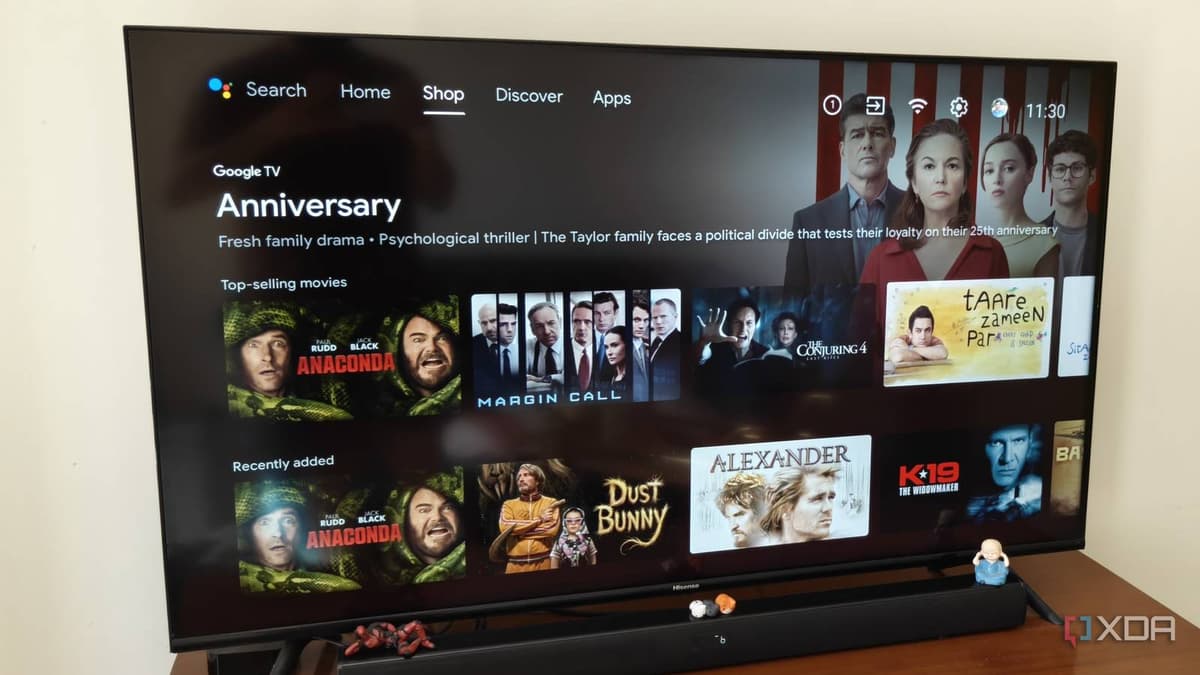
I Finally Gave up on My "Smart" TV and Bought a Streaming Box Instead
•February 22, 2026
0
Companies Mentioned


Why It Matters
Consumers are opting for external streaming boxes to extend TV lifespan and improve user experience, pressuring manufacturers to rethink built‑in operating systems.
Key Takeaways
- •Smart TV OSes remain sluggish on limited hardware
- •Apple TV 4K offers smoother app performance
- •Integration with Apple ecosystem reduces device friction
- •$170 streaming box outperforms expensive smart TVs
- •External box can extend TV lifespan by years
Pulse Analysis
Smart televisions have promised an all‑in‑one entertainment hub, yet many built‑in operating systems—Google TV, Android TV, webOS, and Tizen—still struggle with limited processing power. Users frequently encounter laggy navigation, clunky app stores, and inadequate content discovery, which erodes the perceived value of premium‑priced panels. As a result, a growing segment of households is decoupling the "smart" layer from the display, turning to dedicated streaming devices that can run on more robust hardware and receive frequent software updates.
Apple TV 4K (3rd gen) exemplifies this shift. Priced around $170, the box leverages Apple’s tvOS, which is optimized for speed and seamless integration with iPhone, iPad, and Mac ecosystems. Users report near‑instant app launches, fluid UI transitions, and consistent performance across major services like Prime Video and Disney+. The remote’s Siri voice control and the ability to use an iPhone as a remote further streamline the experience, delivering a compelling ROI for households already invested in Apple products.
The broader implication for TV manufacturers is clear: without a competitive, lightweight OS, built‑in smart platforms risk obsolescence. Companies may need to partner with third‑party streaming vendors or focus on hardware excellence while outsourcing the software layer. For consumers, the lesson is to evaluate the total cost of ownership—sometimes a modest streaming box can rejuvenate an existing TV, extending its useful life and avoiding premature upgrades.
I finally gave up on my "smart" TV and bought a streaming box instead
0
Comments
Want to join the conversation?
Loading comments...