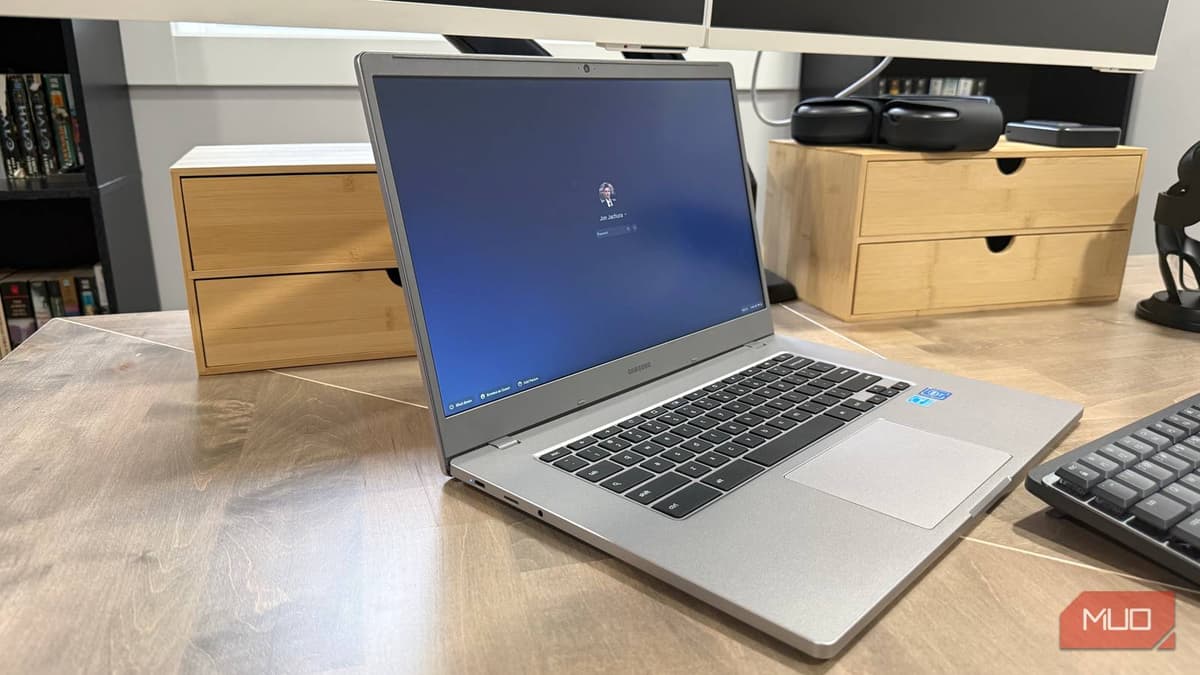
I Finally Understand Why Google Ditched the Chromebook
Companies Mentioned
Why It Matters
The move positions Google to compete more directly with Apple’s seamless hardware‑software ecosystem and taps growing demand for AI‑first, cloud‑enabled laptops. Success could revitalize Google’s hardware reputation and open new revenue streams from AI services and OEM partnerships.
Key Takeaways
- •Googlebook merges Android apps with ChromeOS security
- •Gemini AI powers Magic Pointer for instant assistance
- •ARM chips deliver all‑day battery in thin laptops
- •Major OEMs commit to Googlebook across price tiers
- •Cloud gaming and remote desktop offset performance limits
Pulse Analysis
Google’s pivot from the Chromebook to the Googlebook reflects a broader industry shift toward AI‑centric devices. The original Chromebook succeeded by offering a lightweight, browser‑only experience that resonated with schools, but today’s users expect richer, locally‑run applications and real‑time intelligence. By fusing ChromeOS’s sandboxed security with Android’s massive app library, Google creates a platform that can run native productivity tools, creative suites, and AI‑driven workflows without the compromises that plagued earlier models.
At the heart of the Googlebook is Gemini, Google’s next‑generation large language model, which powers the Magic Pointer—a cursor that surfaces contextual AI suggestions as users navigate the screen. Coupled with ARM‑based processors, the devices promise all‑day battery life while maintaining the efficiency that made Chromebooks popular. The Android stack also enables seamless phone‑laptop continuity, allowing users to drag files, run mobile apps, and sync notifications without extra configuration. This hardware‑software synergy aims to deliver a unified experience comparable to Apple’s ecosystem, but with the flexibility of Google’s open services.
The commercial implications are significant. Partnerships with Acer, Asus, Dell, HP and Lenovo signal a full‑scale platform launch, covering entry‑level thin‑and‑lights to premium ultrabooks. By leveraging cloud gaming services like GeForce Now Ultimate and remote‑desktop solutions, Googlebooks can offset the raw performance limitations of ARM chips, appealing to gamers and power users alike. If adoption grows, Google stands to monetize Gemini AI subscriptions, cloud compute, and OEM royalties, while potentially reshaping the laptop market’s balance of power toward AI‑first, cross‑device ecosystems.
I finally understand why Google ditched the Chromebook
Comments
Want to join the conversation?
Loading comments...