I Found an Android Browser that Runs Chrome Extensions — and I Don’t Get Why It’s Not Popular
Companies Mentioned
Why It Matters
By bringing desktop‑grade extensions to Android, Kiwi empowers power users and enterprises to extend mobile productivity and security without switching platforms. Its presence challenges Google’s monopoly on Android browsing and opens a niche for third‑party innovation.
Key Takeaways
- •Kiwi Browser adds full Chrome extension support to Android
- •Built-in ad blocker and pop‑up blocker enhance mobile privacy
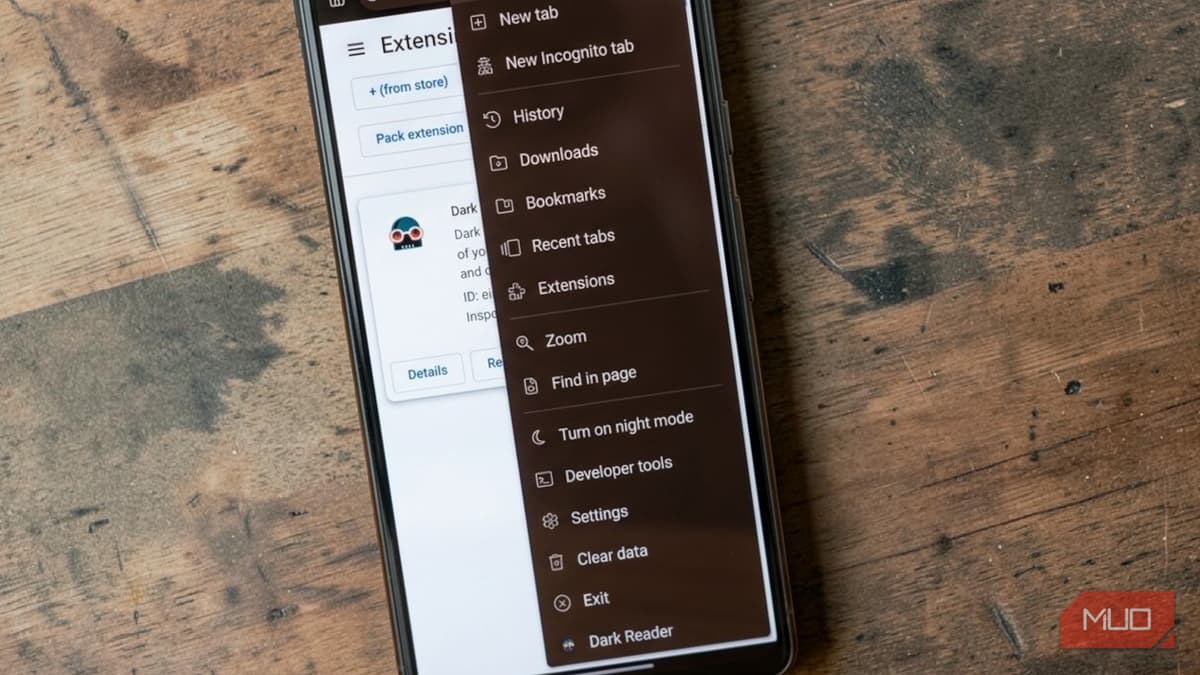
- •Extensions like uBlock Origin and Dark Reader work seamlessly
- •Visibility low because Chrome pre‑installs on most devices
- •Open‑source, free model encourages power‑user adoption
Pulse Analysis
The Android ecosystem has long been dominated by Google Chrome, which deliberately omits desktop‑style extension support. This gap left power users juggling separate tools for ad blocking, grammar checking, or dark‑mode rendering on their phones. Kiwi Browser fills that void by leveraging the same Chromium engine as Chrome, allowing users to install extensions straight from the Chrome Web Store. The result is a seamless bridge between mobile convenience and desktop functionality, a combination rarely seen on Android.
From a technical standpoint, Kiwi’s Chromium foundation ensures compatibility with the majority of extensions that rely on standard web APIs. Users can add .crx files or browse the store within a desktop‑mode tab, and the browser’s built‑in ad and pop‑up blockers operate independently of any installed extensions. Security is maintained through sandboxing, and the open‑source nature invites community audits. Performance remains competitive, with low memory overhead and an "Exit" button that fully clears the session, addressing common complaints about Android browsers lingering in the background.
Adoption hurdles stem mainly from visibility and user inertia. Chrome arrives pre‑installed on virtually every Android device, and most consumers accept its limitations without exploring alternatives. However, for enterprises seeking uniform security policies or developers wanting to test extensions on mobile, Kiwi offers a cost‑free, scalable solution. As awareness grows, the browser could catalyze a broader shift toward modular, extension‑rich mobile experiences, prompting Google and other OEMs to reconsider their extension strategies.
I found an Android browser that runs Chrome extensions — and I don’t get why it’s not popular
Comments
Want to join the conversation?
Loading comments...