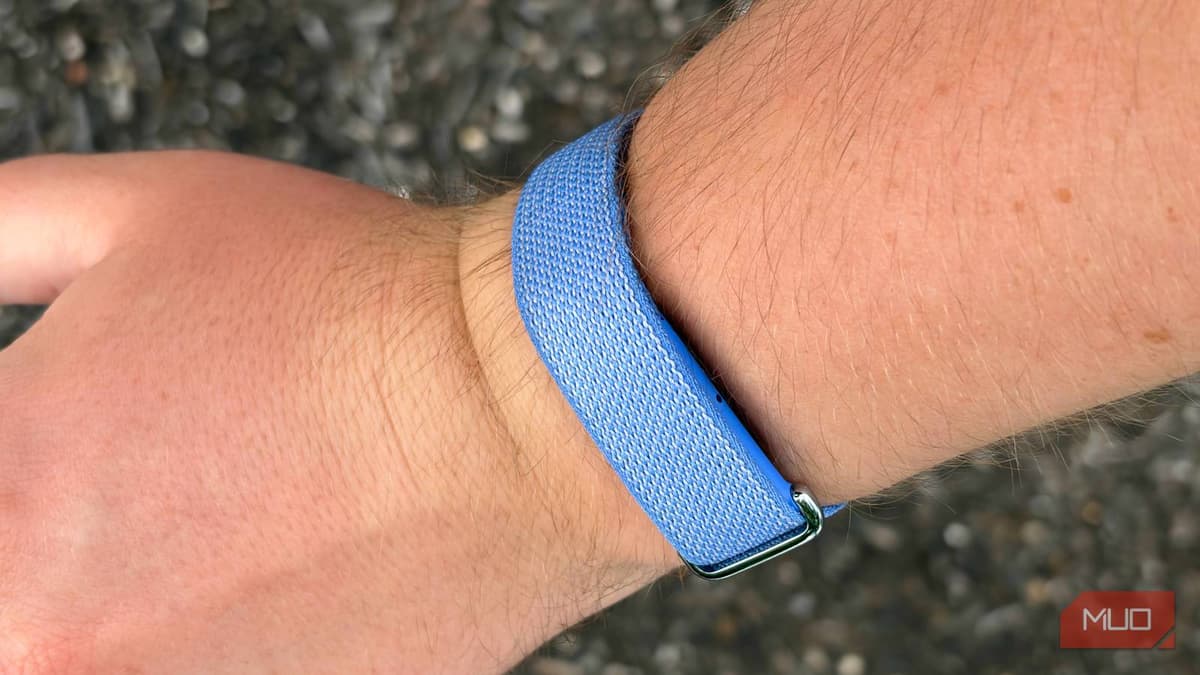
I Gave up My Smartwatch Screen and My Sleep and Health Data Immediately Improved
Companies Mentioned
Why It Matters
The shift highlights growing consumer fatigue with notification‑heavy smartwatches and a market appetite for low‑maintenance, cost‑effective health trackers. It pressures smartwatch makers to rethink battery life and subscription models to retain users.
Key Takeaways
- •Fitbit Air costs $99, no subscription required.
- •7‑day battery life, 12 g weight, screenless design.
- •Tracks HR, SpO2, HRV, temperature, sleep without distractions.
- •Compatible with Google Health app on iOS and Android.
- •Serves as backup tracker for smartwatches, improving sleep data.
Pulse Analysis
Smartwatch fatigue is becoming a mainstream concern as users grow weary of constant buzzes, short battery cycles, and intrusive interfaces. The Fitbit Air taps into this sentiment by stripping away the display and focusing on essential health monitoring. At $99, its ultra‑light 12‑gram frame and week‑long charge address two of the most cited pain points—comfort and power—making it an attractive entry point for consumers who want data without distraction.
Beyond convenience, the Air delivers a robust suite of sensors that feed into Google Health, covering heart rate, SpO₂, HRV, skin temperature, and sleep stages. Unlike Whoop or Oura, the basic tracking features are free, and the optional Google Health Premium remains truly optional. This model lowers the barrier for health‑conscious users while still offering premium analytics for those willing to pay, positioning Google as a flexible competitor in the wearables ecosystem.
The broader market implication is a potential pivot toward hybrid wear strategies: a full‑featured smartwatch for daily interactions paired with a minimalist tracker for sleep and passive health monitoring. Manufacturers may feel pressure to extend battery life, reduce reliance on subscriptions, and improve data presentation. As more consumers adopt this dual‑device approach, the industry could see a diversification of product lines, with screenless trackers carving out a durable niche alongside traditional smartwatches.
I gave up my smartwatch screen and my sleep and health data immediately improved
Comments
Want to join the conversation?
Loading comments...