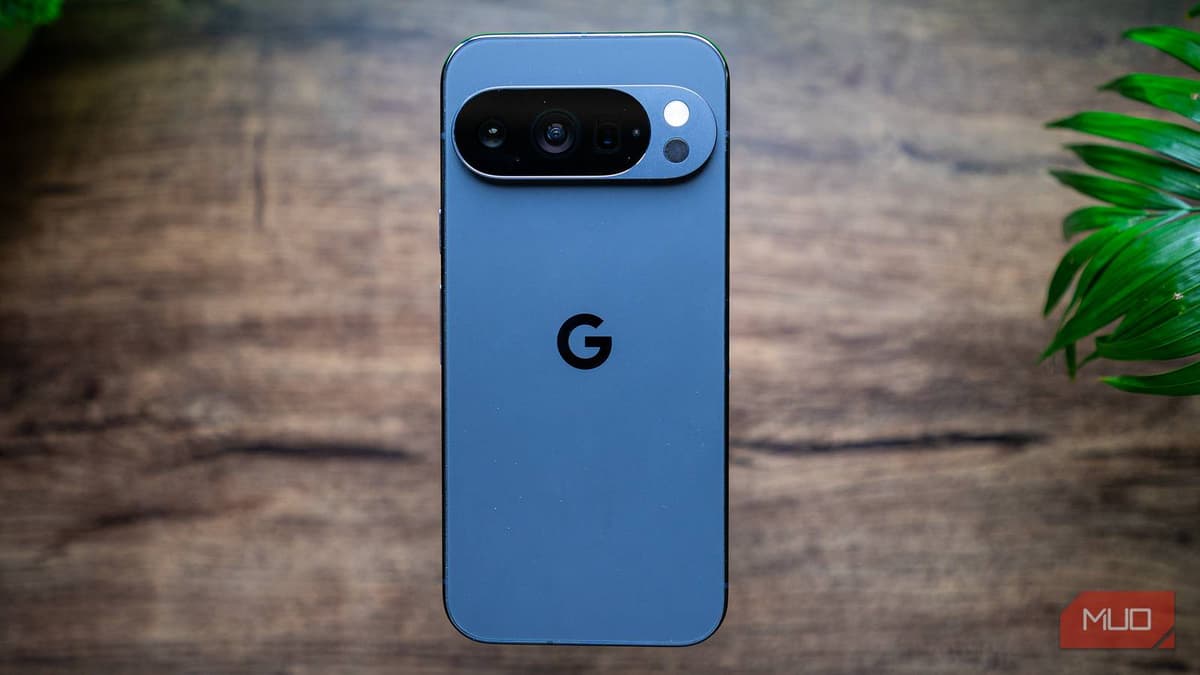
I Spent Hours Customizing Android to Feel Like Pixel and Realized I Should Have Just Bought One
Companies Mentioned
Why It Matters
The piece underscores the limits of Android skinning, reminding consumers that OEM‑specific features drive hardware purchases and that extensive customization may not deliver true Pixel functionality.
Key Takeaways
- •Pixel‑style launchers need extensive third‑party tweaks
- •Shizuku and Canta enable app de‑bloating but add complexity
- •Pixel‑only AI features cannot be replicated on other OEMs
- •Inconsistent UI elements persist despite thorough customization
- •Time spent customizing often exceeds cost of a Pixel device
Pulse Analysis
Customizing a non‑Pixel Android phone to resemble Google’s flagship involves a multi‑step process that many enthusiasts find appealing. Users typically start by removing the OEM skin—Samsung’s One UI in this case—using tools like Shizuku, which grants elevated ADB permissions, and Canta, which safely uninstalls pre‑installed bloatware. After clearing the system, a launcher such as Lawnchair is installed to emulate Pixel’s vertical app drawer and search bar. The final stage replaces Samsung’s native apps with Google equivalents, from Phone to Messages, and adds Pixel‑style icons. While technically feasible, each step demands careful permission handling, data migration, and frequent troubleshooting, often consuming several hours of a user’s time.
Even after a successful visual overhaul, the experience falls short of a genuine Pixel device because key software features remain exclusive to Google’s hardware. Functions like Magic Eraser, Best Take, Photo Unblur, Audio Magic Eraser, and Video Boost rely on proprietary AI models and sensor integration unavailable on Samsung or other OEMs. Users also notice subtle inconsistencies—different font rendering, animation timing, and occasional missing icons—that break the illusion of a true Pixel UI. These gaps illustrate how tightly coupled Google’s software innovations are with its own silicon, making full replication on third‑party devices impractical.
For the broader Android ecosystem, the article highlights a strategic advantage for OEMs that lock users into their own ecosystems. While Android’s open nature encourages customization, the premium features embedded in Pixel phones create a compelling reason for consumers to purchase Google hardware rather than invest time in extensive modifications. This dynamic reinforces the value of hardware‑software integration and suggests that future Android updates may further differentiate flagship experiences, prompting users to weigh the cost of customization against the benefits of a native Pixel device.
I spent hours customizing Android to feel like Pixel and realized I should have just bought one
Comments
Want to join the conversation?
Loading comments...