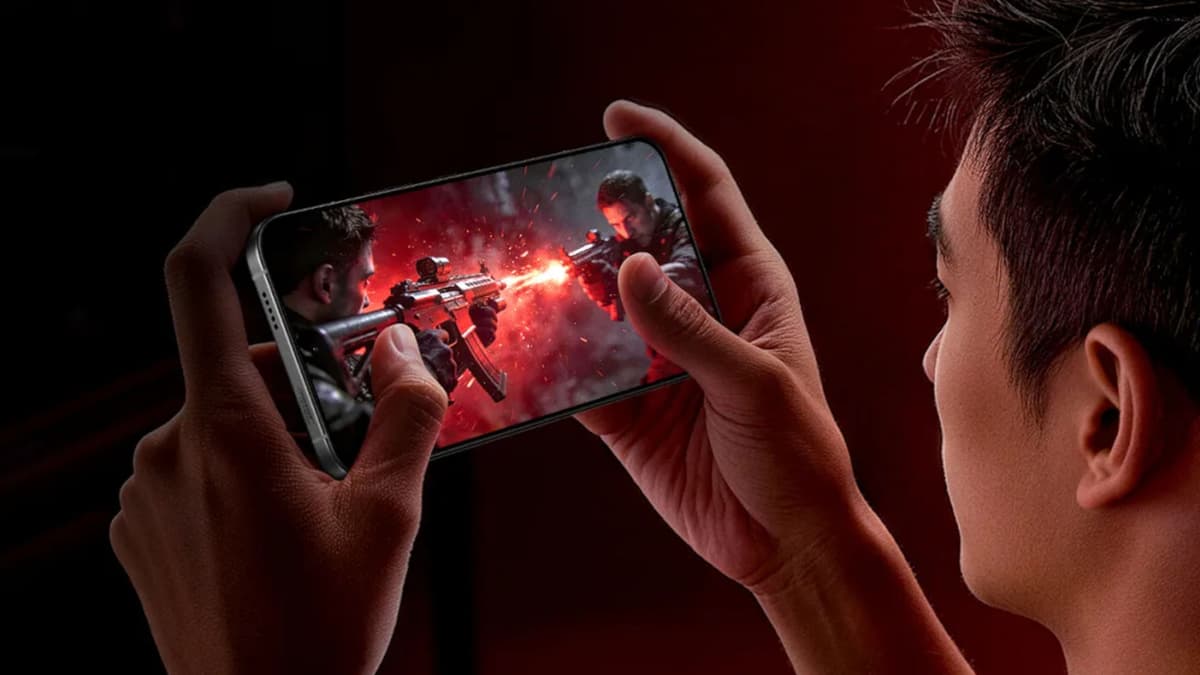
I Thought 2026 Could Mark the End of Gaming Phones, but It Seems Lenovo and Xiaomi Are About to Prove Me Wrong
Companies Mentioned
Why It Matters
The launches signal that the gaming‑phone niche remains viable, forcing incumbents to innovate and offering consumers more high‑performance options across regions.
Key Takeaways
- •Lenovo Legion Y70 series slated for May launch, targeting high-end gamers
- •Xiaomi Redmi K90 Max uses MediaTek Dimensity 9500, 144 fps gaming claim
- •Both phones may launch globally, but Xiaomi likely skips US market
- •Competition could pressure REDMAGIC 11 Pro and Samsung Galaxy S26 Ultra
- •Gaming phone niche shows resilience despite Asus exiting market
Pulse Analysis
The Android gaming‑phone market has faced uncertainty since Asus announced its withdrawal, prompting analysts to predict a possible decline in dedicated gaming hardware. However, the recent confirmations from Lenovo and Xiaomi suggest the segment is far from dead. Lenovo, traditionally focused on gaming tablets and handheld PCs, is re‑entering the phone arena with its Legion Y70 series, slated for a May debut. By likely pairing a Snapdragon 8 Elite Gen 5 processor with a 120 Hz panel, Lenovo aims to meet the performance expectations of mobile esports enthusiasts and differentiate itself from past Legion models.
Xiaomi’s upcoming Redmi K90 Max takes a different hardware path, leveraging MediaTek’s Dimensity 9500 chipset—an alternative to Qualcomm’s flagship offerings. The company highlights the device’s ability to sustain 144 fps in Honor of Kings, a benchmark that signals strong GPU capabilities for titles like Genshin Impact and Honkai Star Rail. Coupled with a generous 6.83‑inch display, the K90 Max positions itself as a premium, large‑screen gaming experience, appealing to both casual and competitive players in the Chinese market where it will launch first.
The broader implications extend beyond specifications. If Lenovo secures a launch in the US and Europe, and Xiaomi follows suit in Europe, the renewed competition could compress pricing and accelerate feature adoption across the segment. Existing leaders such as the REDMAGIC 11 Pro and Samsung’s Galaxy S26 Ultra will need to defend market share, potentially spurring faster chipset integration and higher refresh‑rate displays. For consumers, the resurgence means more choices and the prospect of a truly differentiated gaming phone ecosystem, reinforcing the niche’s relevance in an increasingly mobile‑first gaming world.
I thought 2026 could mark the end of gaming phones, but it seems Lenovo and Xiaomi are about to prove me wrong
Comments
Want to join the conversation?
Loading comments...