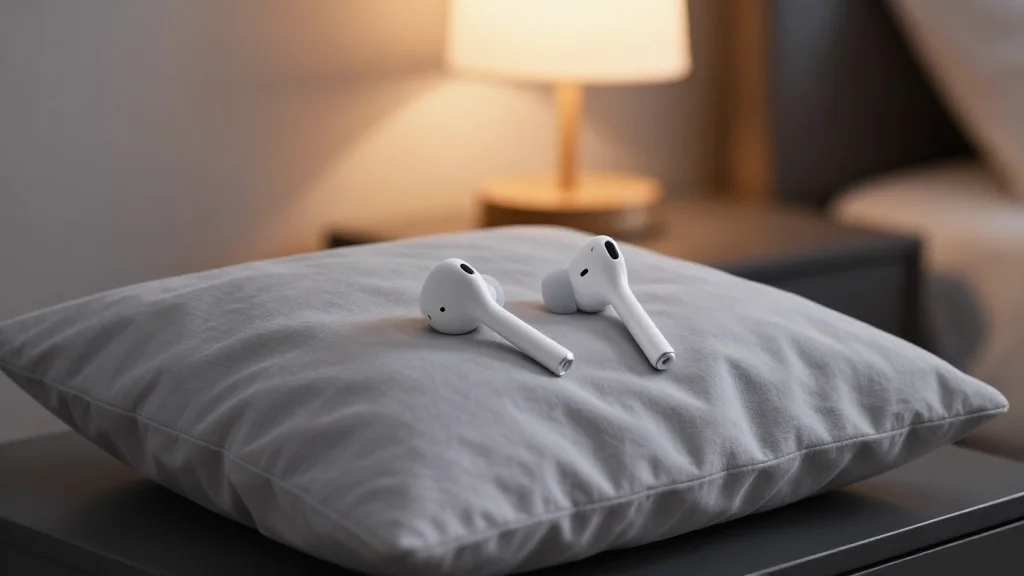
I Thought Sleep Earbuds Were a Waste of Money—Now They're My Favorite Pair
Why It Matters
Sleep‑focused earbuds improve nightly rest, turning a health habit into a lucrative consumer‑tech segment that blends audio, wellness, and IoT integration.
Key Takeaways
- •Fitnexa SomniPods 3 cost $180, 12‑hour battery, 48‑hour case life.
- •Soft wingtips keep earbuds secure for side sleepers.
- •Sleep‑specific earbuds prioritize comfort over driver size and mic quality.
- •Competing models like Soundcore Sleep A20 offer similar ergonomic designs.
- •Consumers increasingly view earbuds as essential health‑tech accessories.
Pulse Analysis
The surge in sleep‑oriented earbuds reflects a broader consumer shift toward health‑centric tech. As remote work and digital fatigue increase, users seek tools that enhance sleep quality, a critical factor for productivity and well‑being. Products like Fitnexa’s SomniPods 3 and Anker’s Soundcore Sleep A20 capitalize on this demand by offering ergonomic designs, extended battery life, and integrated sleep‑aid apps that deliver curated soundscapes, meditations, and podcasts. By targeting the nightly routine, manufacturers tap into a market that values comfort and functionality over high‑fidelity audio, positioning earbuds as a staple of personal wellness.
Design trade‑offs define the niche: traditional earbuds prioritize large drivers and microphones for music and calls, while sleep models shrink drivers, eliminate mic emphasis, and add soft silicone wingtips to stay secure during side‑sleeping. Battery longevity is crucial; the SomniPods 3’s 12‑hour earbud runtime and 48‑hour case charge ensure uninterrupted use throughout the night and multiple evenings. Companion apps further differentiate offerings, providing data‑driven insights into sleep patterns and allowing users to customize sound environments, thereby merging audio hardware with health analytics.
Industry analysts predict the sleep‑audio segment will grow double‑digit annually, driven by partnerships with health platforms and the integration of biometric sensors. As consumers treat sleep as a measurable health metric, earbuds equipped with heart‑rate or motion tracking could become standard, feeding data into broader wellness ecosystems. Brands that innovate beyond comfort—by adding AI‑curated sound therapy or seamless sync with smart home devices—stand to capture a larger share of the burgeoning wellness tech market.
I thought sleep earbuds were a waste of money—now they're my favorite pair
Comments
Want to join the conversation?
Loading comments...