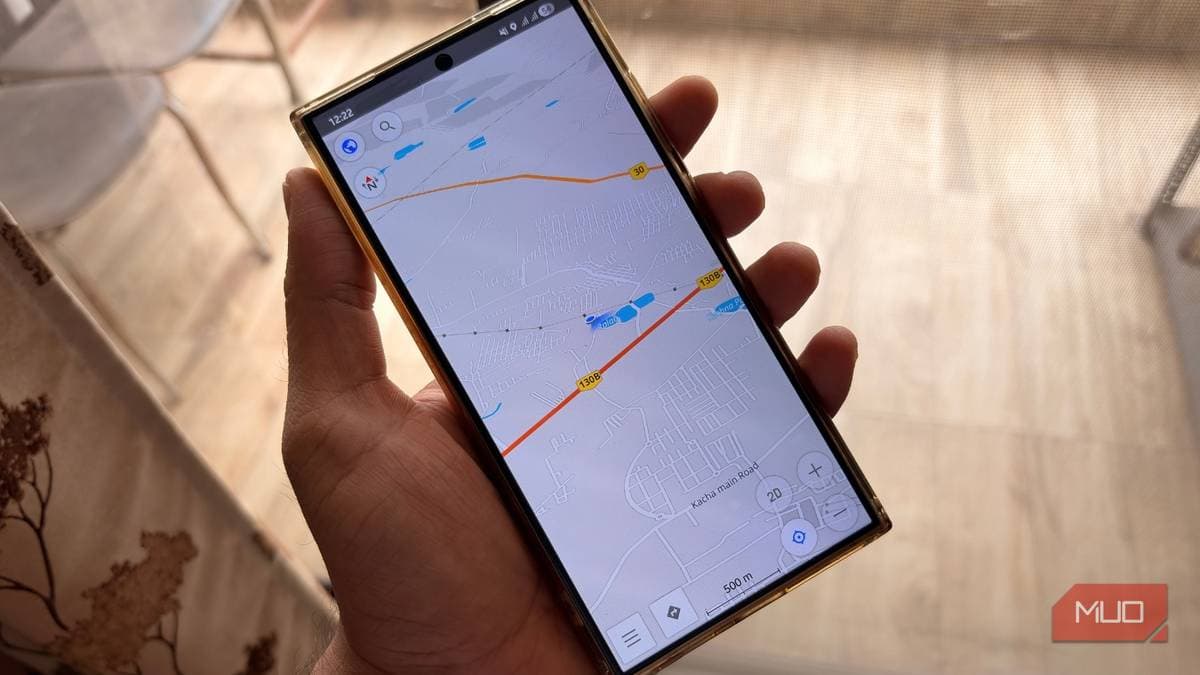
I Turned an Old Phone Into an Offline GPS, and It Works Too Well
Why It Matters
Repurposing legacy phones cuts hardware costs and extends the lifespan of primary devices, offering a sustainable, low‑budget navigation solution for drivers who need offline reliability.
Key Takeaways
- •Old phones become dedicated offline GPS with free OsmAnd app
- •Offloading navigation preserves primary phone battery and screen lifespan
- •Factory reset and app sideloading ensure a clean, resource‑light device
- •Manual brightness and disabled radios extend battery for hours of driving
- •No real‑time traffic, but reliable in low‑signal rural areas
Pulse Analysis
The rise of device‑reuse culture has turned discarded smartphones into valuable niche tools. Consumers seeking cost‑effective navigation solutions are increasingly turning to open‑source platforms like OpenStreetMap, which power apps such as OsmAnd. By leveraging free map data and avoiding subscription fees, users not only save money but also reduce electronic waste, aligning with broader sustainability goals that resonate across the tech industry.
From a technical standpoint, a dedicated offline GPS eliminates the constant GPS polling, high screen brightness, and background data sync that strain a primary smartphone. A factory‑reset device, stripped of bloatware and set to minimal power settings, can run for hours on a single car charger, delivering consistent positioning even in tunnels or remote mountain passes where cellular coverage drops. OsmAnd’s offline maps, GPX support, and customizable routing make it a robust alternative for commuters, hikers, and delivery drivers who prioritize reliability over live traffic updates.
However, the solution isn’t without trade‑offs. The lack of real‑time traffic, accident alerts, and dynamic ETA calculations means drivers must rely on pre‑planned routes or supplemental sources. As car manufacturers embed more sophisticated infotainment systems, the market for low‑cost, third‑party navigation devices may shrink, yet a segment of users will continue to value the privacy, independence, and simplicity of a stand‑alone offline GPS. Future innovations—such as e‑ink displays or ultra‑low‑power processors—could further extend battery life, making repurposed phones an even more attractive option for budget‑conscious motorists.
I turned an old phone into an offline GPS, and it works too well
Comments
Want to join the conversation?
Loading comments...