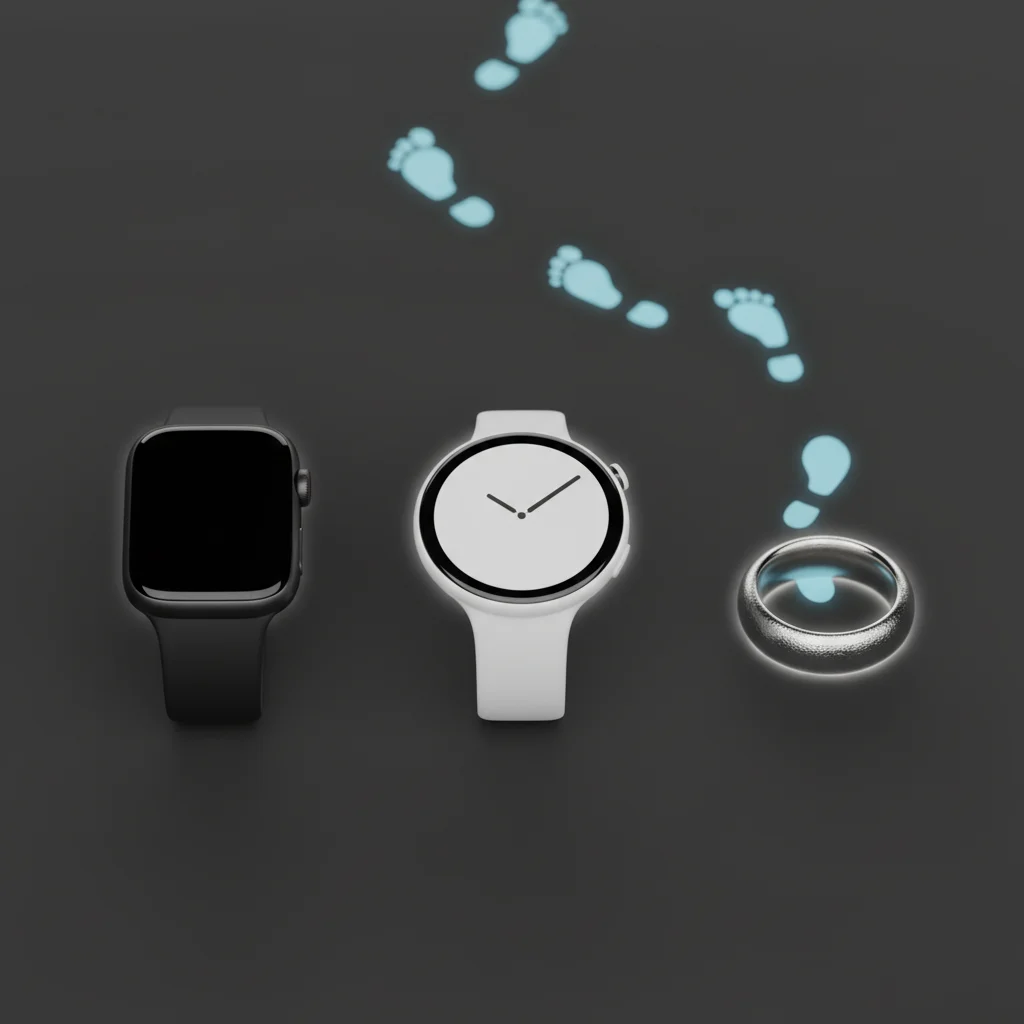
I Walked 3,000 Steps with My Apple Watch, Google Pixel, and Oura Ring - This Tracker Was Most Accurate
Companies Mentioned
Why It Matters
Accurate step tracking influences personal health insights, corporate wellness incentives, and insurance reimbursements, making device precision a key competitive factor in the wearables market.
Key Takeaways
- •Google Pixel Watch 4 averaged 18-step error, most accurate
- •Apple Watch Series 11 showed 53-step average error
- •Oura Ring lagged with 56-step average error
- •Apple’s step data hidden in Health app, less user‑friendly
- •Small sample size limits definitive conclusions, but highlights variance
Pulse Analysis
The accuracy of step counters has become a decisive factor as wearables evolve from novelty gadgets to core health platforms. Consumers rely on daily step totals to gauge activity, meet corporate wellness goals, and feed data into insurance or medical apps. In a crowded market that includes Apple’s premium smartwatch, Google’s Pixel Watch, and Oura’s ring‑form device, even a few dozen steps of error can skew trends and affect incentive programs. Recent independent tests therefore carry weight for both buyers and manufacturers seeking to differentiate on data fidelity.
The informal Brooklyn experiment recorded three 1,000‑step intervals while the author wore all three devices on the same arm, then compared logged totals to a manual count. The Google Pixel Watch 4 emerged with a mean absolute error of just 18 steps, outperforming the Apple Watch Series 11 (53‑step error) and the Oura Ring (56‑step error). Beyond raw numbers, the test exposed usability gaps: Apple’s step data is buried deep in the Health app, whereas Pixel and Oura surface workout details instantly. Such friction can deter users who need quick feedback during exercise.
Manufacturers can translate these findings into product roadmaps that prioritize algorithm refinement and clearer on‑device reporting. Google’s advantage suggests its sensor fusion and machine‑learning models are better tuned for mixed‑pace walking and running, a lesson Apple could adopt to tighten its health‑kit integration. Meanwhile, Oura may continue positioning the ring as a sleep‑centric platform, accepting modest step inaccuracies while leveraging its strength in rest‑phase analytics. As corporate wellness programs and insurers increasingly tie reimbursements to activity metrics, even marginal improvements in step precision could become a competitive differentiator in the next generation of wearables.
I walked 3,000 steps with my Apple Watch, Google Pixel, and Oura Ring - this tracker was most accurate
Comments
Want to join the conversation?
Loading comments...