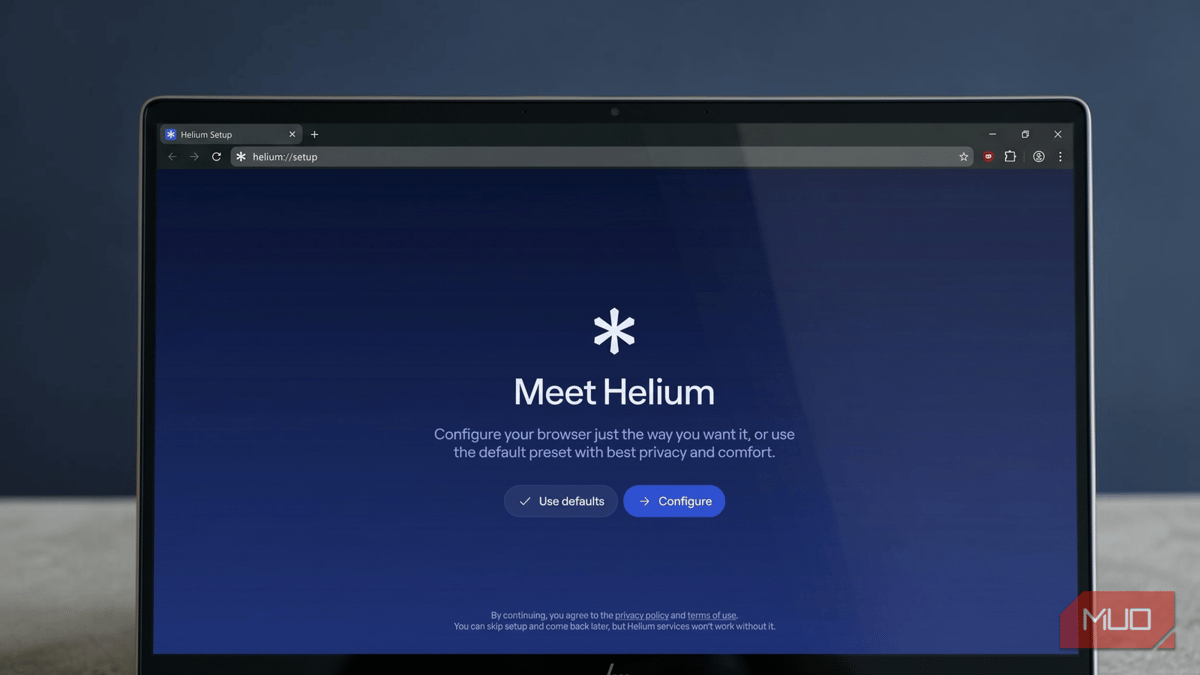
I Wanted a Simpler Brave Alternative, and This New Browser Surprised Me
Companies Mentioned
Why It Matters
Helium demonstrates that a privacy‑first, lightweight browser can compete with feature‑heavy incumbents, appealing to users who prioritize data security over convenience. Its approach may pressure larger browsers to reconsider bundled services and extension handling.
Key Takeaways
- •Helium uses Ungoogled Chromium, removing Google data‑collection hooks
- •Built‑in split‑view lets two sites share one window
- •uBlock Origin preinstalled, preserving ad‑blocking after Chrome’s MV3 shift
- •No native password manager; encourages external managers like Bitwarden
- •DRM and cross‑device sync missing; manual updates required on Windows/Linux
Pulse Analysis
Helium’s emergence reflects a growing niche for browsers that prioritize privacy without sacrificing the Chrome extension ecosystem. By basing the product on Ungooged Chromium, the developers eliminate Google’s telemetry while still allowing users to install familiar extensions from the Chrome Web Store. This hybrid model appeals to power users who want the flexibility of Chrome’s library but reject its data‑harvesting practices, positioning Helium as a compelling alternative for security‑conscious professionals and developers.
A standout feature is the split‑view mode, which lets users display two webpages within a single window—a productivity boost for research, coding, or multitasking. Coupled with a preinstalled uBlock Origin, Helium offers robust ad‑blocking at a time when Chrome’s shift to Manifest V3 has weakened many third‑party filters. The browser’s Settings panel surfaces every privacy control, and the optional self‑hosting of proxy services gives technically inclined users an extra layer of anonymity for extension updates and filter downloads.
However, Helium’s beta status introduces trade‑offs. Lack of DRM support means streaming services like Netflix and Prime Video are inaccessible, and the absence of native sync forces users to rely on third‑party tools for bookmark or history continuity across devices. Automatic updates are currently macOS‑only, requiring manual downloads for Windows and Linux users. These gaps may limit mass adoption, yet they also underscore Helium’s philosophy of minimalism and user‑controlled data. As privacy regulations tighten and consumer awareness rises, browsers that balance lean design with transparent security could capture a meaningful slice of the market, prompting larger players to reevaluate bundled features and data practices.
I wanted a simpler Brave alternative, and this new browser surprised me
Comments
Want to join the conversation?
Loading comments...