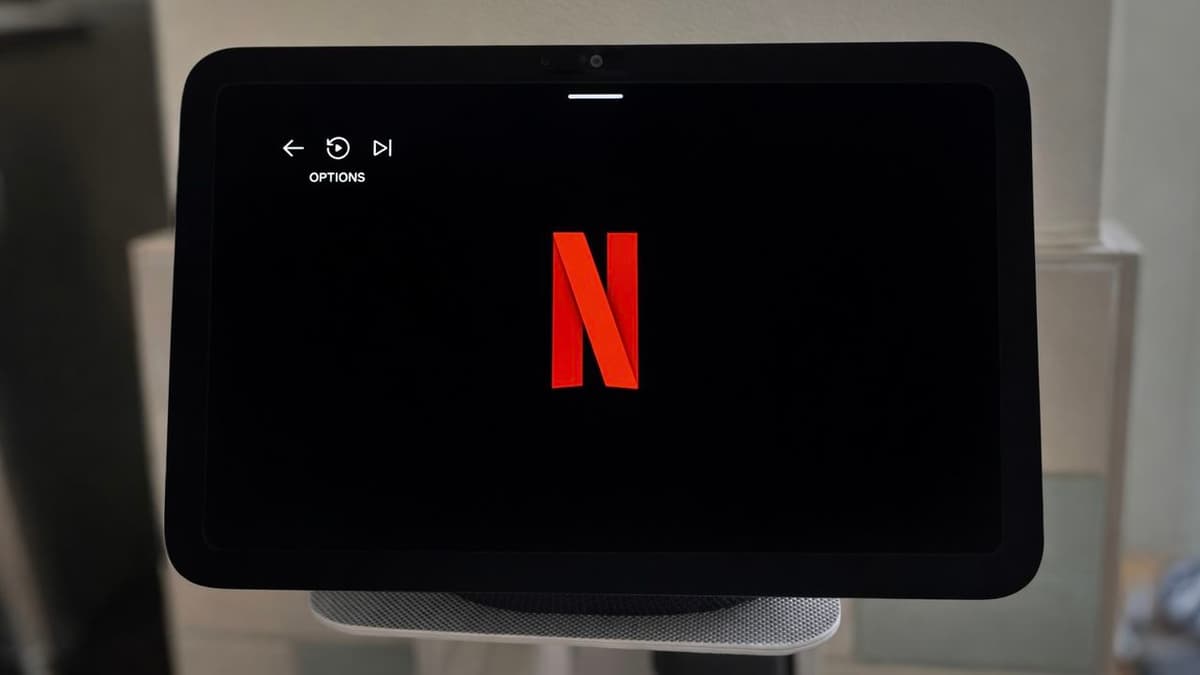
I Watched Netflix on the New Echo Show 8 – Here Are 3 Things I Discovered
•March 8, 2026
0
Why It Matters
Improved streaming integration positions the Echo Show 8 as a low‑cost alternative to traditional TVs, expanding Amazon’s smart‑home ecosystem and driving voice‑controlled media consumption.
Key Takeaways
- •Built‑in Netflix, no app download needed.
- •Voice commands control playback seamlessly.
- •8‑inch display lacks HDR, lower resolution.
- •Audio quality exceeds expectations for device size.
Pulse Analysis
Amazon’s push to make the Echo Show 8 a competent streaming hub reflects a broader strategy to embed entertainment deeper into the smart‑home ecosystem. By bundling Netflix natively and streamlining sign‑in with QR codes, Amazon removes friction that previously hampered adoption. This mirrors Google’s approach with the Nest Hub, but Amazon leverages its massive e‑commerce and Prime ecosystems to differentiate, targeting consumers who want a single device for video, voice assistants, and home automation without the expense of a full‑size TV.
For professionals juggling remote work and personal media, the Echo Show 8’s voice‑first controls provide tangible productivity gains. Commands such as “Alexa, pause” or “skip forward 20 seconds” let users mute background entertainment without breaking focus, turning the device into a discreet information screen. The hands‑free experience aligns with the growing trend of multitasking in home offices, where a compact display can serve as a dashboard for calendars, news feeds, or quick video breaks, all while maintaining a clean workspace.
The trade‑off remains the modest 1280 × 800 panel and lack of HDR, which limits visual fidelity compared with larger TVs or tablets. However, the device’s surprisingly robust audio—clear and punchy for its size—mitigates the visual shortfall for casual viewing. As consumer expectations evolve, future Echo Show iterations may adopt higher‑resolution panels or adaptive HDR to stay competitive. Until then, the current model offers a cost‑effective entry point for households seeking voice‑controlled streaming without sacrificing sound quality, reinforcing Amazon’s foothold in the connected‑home market.
I watched Netflix on the new Echo Show 8 – here are 3 things I discovered
0
Comments
Want to join the conversation?
Loading comments...