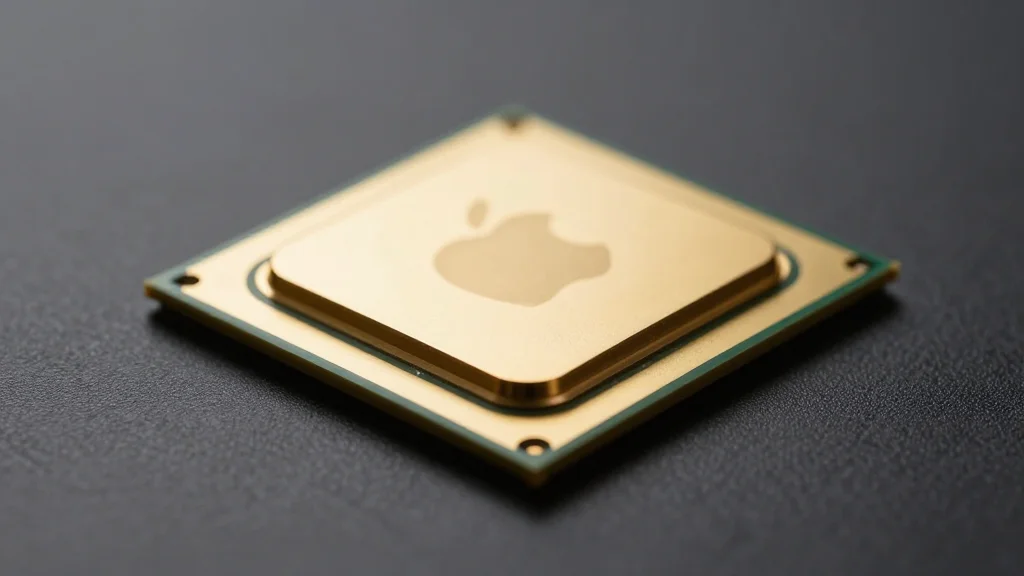
If Apple Built a $299 "Neo" Desktop PC, Windows Would Have a Real Problem
Companies Mentioned
Why It Matters
A sub‑$300 Mac desktop would give Apple a foothold in the budget PC space and lock in a new generation of users, while exposing Windows’s vulnerabilities in its historically dominant low‑price segment.
Key Takeaways
- •Apple repurposes bin‑ned A‑series chips for low‑cost Mac devices.
- •$299 Mac Neo desktop could target education and entry‑level users.
- •Budget Windows laptops face rising component costs and user dissatisfaction.
- •Low‑margin Apple hardware feeds services revenue growth strategy.
- •No official plans; analysis based on existing MacBook Neo economics.
Pulse Analysis
Apple’s recent launch of the $599 MacBook Neo demonstrated how the company can turn otherwise discarded A‑series silicon into a market‑disrupting product. By disabling one GPU core on the A18 Pro and pairing it with a modest chassis, Apple created a sub‑$700 laptop that surprised Windows OEMs accustomed to dominating that price tier. The move leverages the economics of excess chip capacity from the iPhone 16 Pro line, allowing Apple to sell a device with margins comparable to its premium offerings despite the low price point.
The price shock matters because the budget Windows segment—roughly $500‑$800—has been a structural advantage for Microsoft for two decades, accounting for about 75 million units in 2025. Rising memory costs and bundled software bloat have eroded user satisfaction, opening a niche for a $299 Mac Neo desktop aimed at schools and first‑time macOS users. Such a device would extend Apple’s proven “entry‑level” strategy, seen with the iPhone SE and $329 iPad, feeding the services ecosystem that now drives the bulk of Apple’s profit growth.
While the concept is speculative, Apple’s ability to monetize “free” silicon suggests a viable business case, especially if Windows fails to address its own reliability and cost challenges. However, supply constraints on bin‑ned chips and the thin margins of ultra‑low‑price hardware could limit scale, mirroring the supply strain already seen with the MacBook Neo. If Apple moves quickly, it could establish a foothold in the education and hobbyist markets before Windows regains stability, potentially reshaping the low‑end PC landscape for years to come. The move would also pressure OEMs to rethink value‑engineered designs.
If Apple built a $299 "Neo" desktop PC, Windows would have a real problem
Comments
Want to join the conversation?
Loading comments...