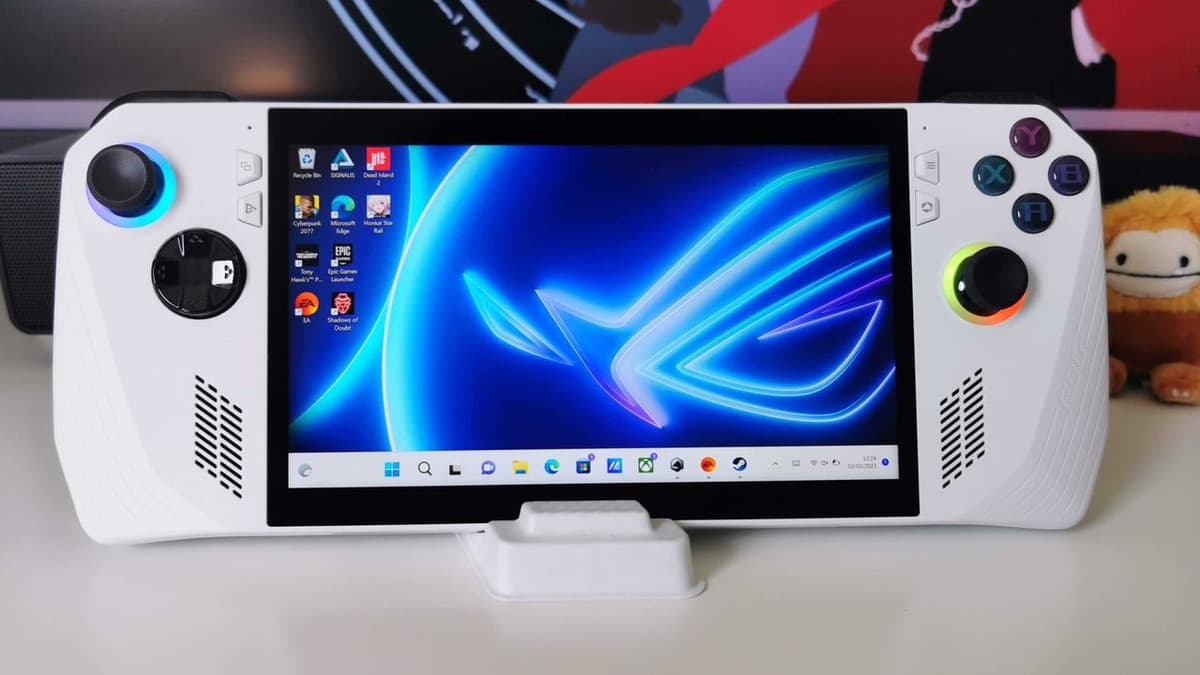
If You Can Stomach Second-Hand Gaming Handhelds, I'd Look at Refurbed Asus ROG Ally and Lenovo Legion Go to Survive RAMageddon
•March 4, 2026
0
Companies Mentioned


Why It Matters
Scarcity and component inflation are reshaping the portable PC gaming market, forcing consumers to rely on refurbished devices to stay mobile without overspending.
Key Takeaways
- •RAM shortages drive handheld prices above $500.
- •Asus ROG Ally refurbished starts near $430 on Newegg.
- •Lenovo Legion Go refurbished listed around $479 on eBay.
- •New ROG Xbox Ally and Legion Go S cost $550+.
- •Steam Deck refurbished stock dwindling, prices climbing.
Pulse Analysis
The global shortage of DRAM, dubbed "RAMageddon," has rippled through the portable PC gaming sector, inflating component costs and prompting manufacturers to discontinue older handhelds. As AMD’s Ryzen Z2 chips become scarce, OEMs like Asus and Lenovo have shifted focus to newer, higher‑priced models, leaving a vacuum for budget‑oriented gamers. This environment has driven the average new handheld price north of $500, a steep jump from the $300‑$350 sweet spot that previously defined the market.
In response, the secondary market has surged with refurbished and used units, offering a lifeline for cost‑sensitive buyers. Listings for a refurbished Asus ROG Ally now hover around $430‑$520 on platforms such as Newegg, while the Lenovo Legion Go can be found for $479‑$699, often via eBay. These devices deliver performance akin to the original Steam Deck OLED, albeit without the latest chipset upgrades. Buyers must weigh the risk of limited warranties and potential wear against the immediate savings, and they should verify seller credibility through photos and return policies.
Looking ahead, the handheld landscape will likely remain volatile until DRAM supply stabilizes. Gamers may increasingly adopt hybrid strategies—mixing refurbished high‑end units with lower‑cost alternatives like modded PSPs or waiting for price corrections on next‑gen models. Retailers that can secure bulk refurbishments or offer extended warranties will capture a competitive edge, while consumers who stay vigilant on marketplace alerts can secure functional devices without breaking the bank.
If you can stomach second-hand gaming handhelds, I'd look at refurbed Asus ROG Ally and Lenovo Legion Go to survive RAMageddon
0
Comments
Want to join the conversation?
Loading comments...