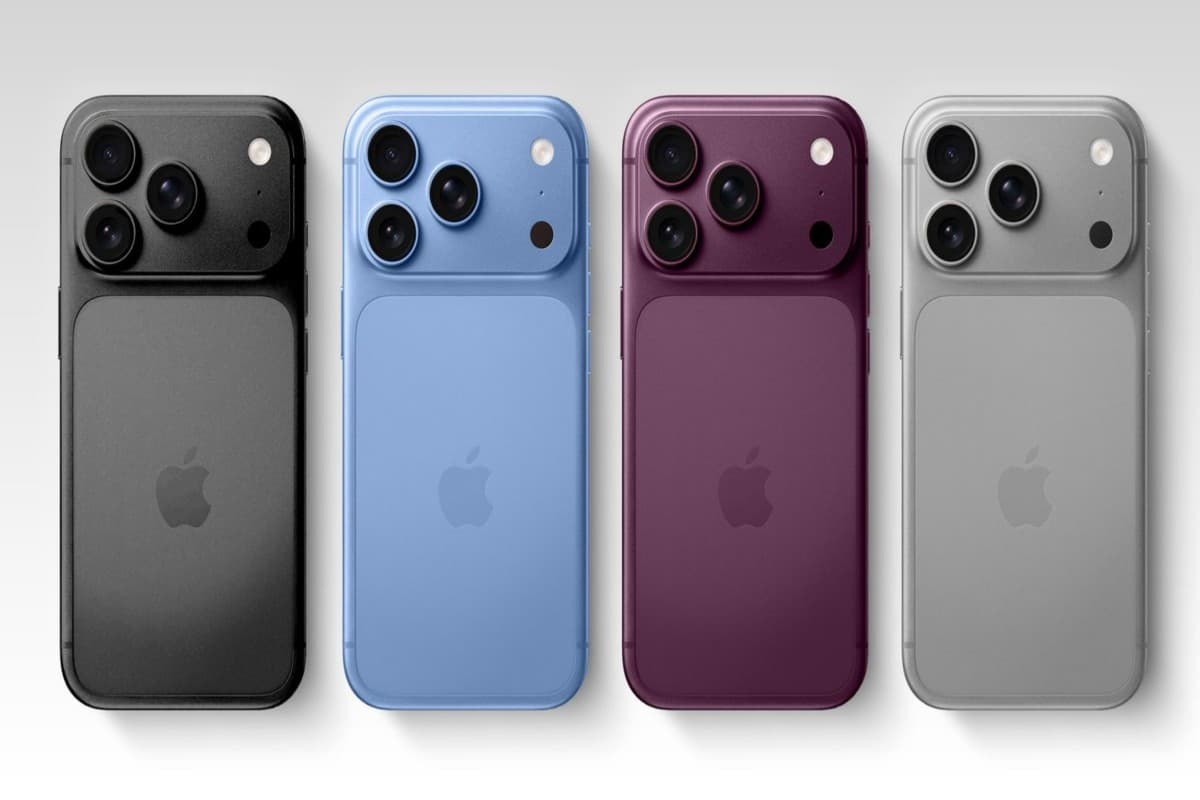
IPhone 18 Pro Launch in 2026, iPhone 18 Standard in 2027: Report
Companies Mentioned
Why It Matters
The split launch lets Apple manage supply‑chain bottlenecks and protect margins while preserving a price‑competitive Pro offering, a strategy that could reshape premium smartphone pricing and launch calendars industry‑wide.
Key Takeaways
- •Pro models priced like iPhone 17 Pro to stay aggressive
- •Standard iPhone 18 delayed to 2027 amid component shortages
- •A20 Pro chip built on TSMC 2nm process promises efficiency gains
- •Battery capacity rises to 5200 mAh on Pro Max variant
- •Four new colors—blue, black, magenta, silver—expand premium appeal
Pulse Analysis
Apple’s decision to separate the iPhone 18 rollout is a bold departure from its decade‑long tradition of unveiling the entire flagship family in a single September event. By bringing the Pro and Pro Max models to market a year early, the company can capitalize on the momentum generated by the iPhone 17’s strong sales while testing consumer appetite for the next‑gen A20 Pro silicon. Keeping the Pro price identical to the iPhone 17 Pro signals a deliberate effort to maintain a price‑to‑performance balance that has become a hallmark of Apple’s ultra‑premium segment.
Supply‑chain constraints and rising component costs, especially for DRAM, are the primary drivers behind the delayed standard iPhone 18. TSMC’s 2 nm node, while offering superior efficiency, remains capacity‑limited, forcing Apple to prioritize its highest‑margin products. The anticipated price increase for the non‑Pro model reflects broader industry pressure as semiconductor manufacturers pass higher material and labor expenses onto OEMs. By staggering the launch, Apple can absorb these cost shocks without eroding the profitability of its flagship line, preserving healthy gross margins in a tightening market.
The market impact of a phased launch could be significant. Competitors may feel pressure to adjust their own release calendars or accelerate innovation to avoid a prolonged gap in Apple’s product ecosystem. Consumers, accustomed to annual upgrades, might experience heightened anticipation—or frustration—potentially influencing upgrade cycles and resale values. Analysts will watch whether Apple’s strategy sustains sales velocity and margin health, setting a precedent for future flagship rollouts in an increasingly volatile semiconductor landscape.
iPhone 18 Pro Launch in 2026, iPhone 18 Standard in 2027: Report
Comments
Want to join the conversation?
Loading comments...