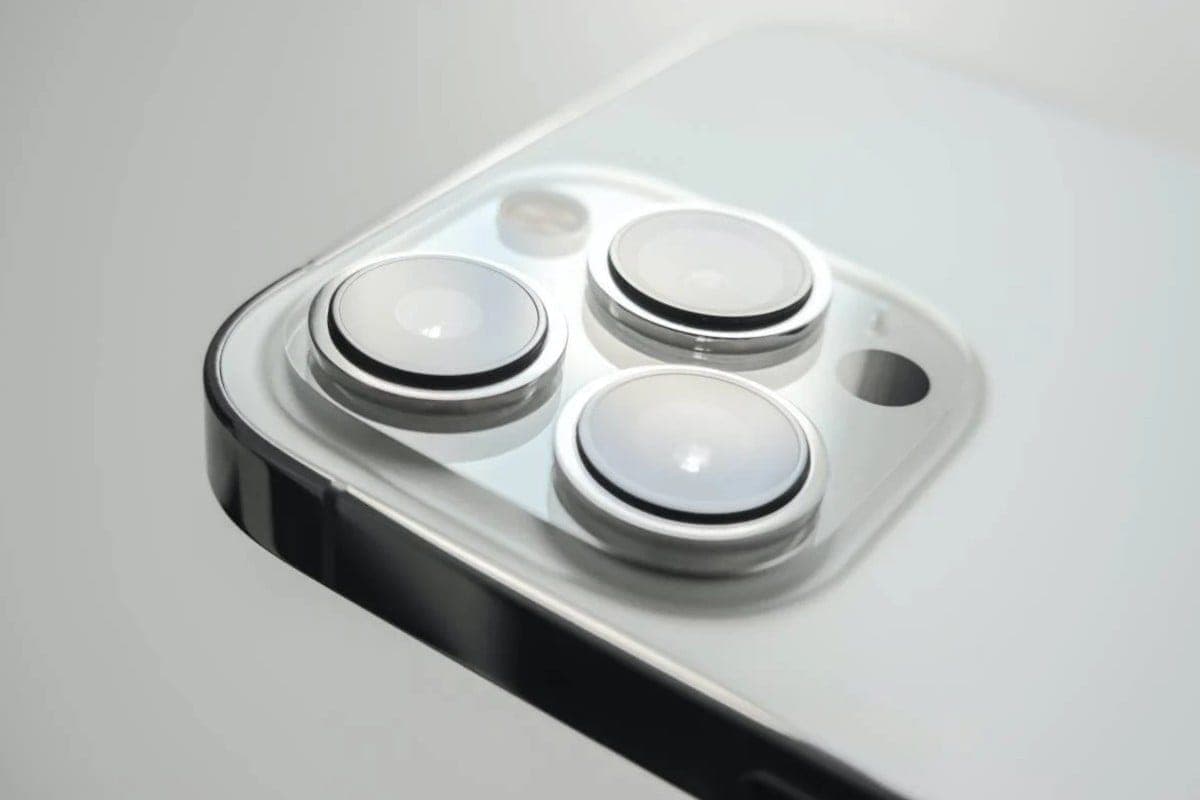
IPhone Titanium Research: Apple Could Go Back to the Expensive Metal
Companies Mentioned
Why It Matters
The material shift directly impacts device performance, durability, and premium positioning, influencing consumer perception and Apple’s competitive edge in the high‑end smartphone market.
Key Takeaways
- •Apple reverted iPhone 17 Pro to aluminium due to heat concerns.
- •Titanium caused overheating with AI workloads and high‑performance gaming.
- •Scratch resistance suffered on aluminium models, especially dark‑blue variant.
- •Apple continues research on titanium and liquid‑metal for future premium iPhones.
- •No confirmed timeline; thermal fixes needed before titanium returns.
Pulse Analysis
Apple’s material strategy has long been a differentiator in the premium smartphone arena. The iPhone 15 Pro’s titanium frame was marketed as a lightweight, high‑end alternative to stainless steel, positioning the device as a status symbol. However, the shift back to aluminium in the iPhone 17 Pro underscores how thermal performance can outweigh aesthetic ambition. By opting for a metal with superior heat conductivity, Apple mitigates the risk of throttling during AI‑intensive tasks and graphics‑heavy gaming, preserving the user experience that power‑hungry applications demand.
The thermal dilemma is rooted in titanium’s lower thermal conductivity compared with aluminium, which can trap heat generated by the A‑series chips and the growing on‑device AI workload. Engineers report that excessive heat not only reduces processing speed but also accelerates component wear, prompting Apple to prioritize reliability over the premium feel of titanium. This trade‑off has tangible consumer repercussions: aluminium models, while cooler, have drawn criticism for being more prone to surface scratches, especially on the darker blue finish, highlighting the delicate balance between durability and design.
Looking ahead, Apple’s research pipeline suggests that titanium is not abandoned but merely postponed. The company is also testing liquid‑metal alloys that promise both excellent heat dissipation and a premium tactile experience. Until a viable solution resolves the thermal bottleneck, Apple is likely to keep aluminium as the default chassis while quietly refining next‑generation alloys. The eventual return of titanium—or a superior liquid‑metal—could re‑establish a clear material hierarchy, reinforcing Apple’s premium branding and potentially commanding higher price points in a fiercely competitive market.
iPhone Titanium Research: Apple Could Go Back to the Expensive Metal
Comments
Want to join the conversation?
Loading comments...