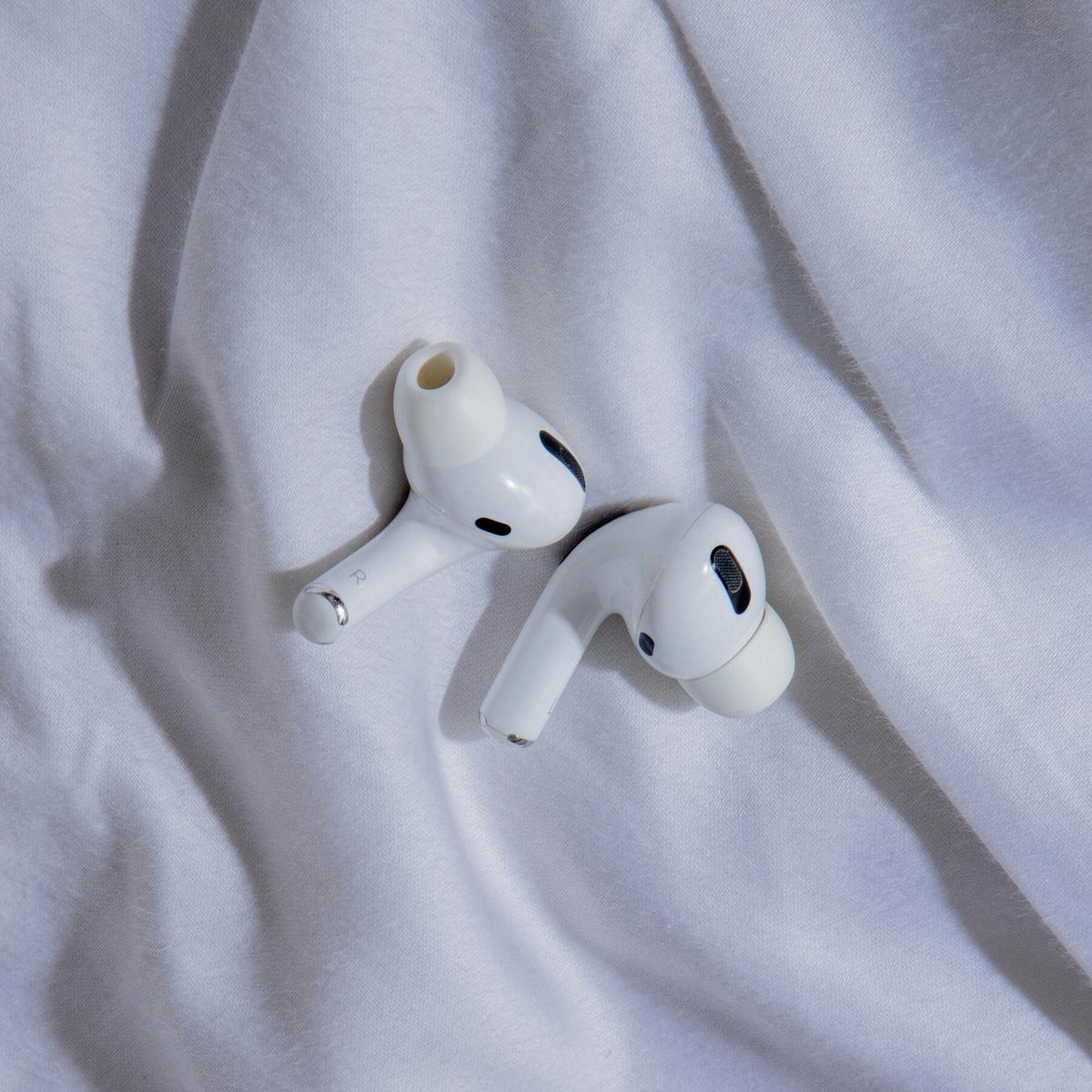
Is It Safe to Wear Earbuds While Sleeping?
Why It Matters
The guidance impacts millions who use audio for sleep, influencing consumer safety and prompting manufacturers to design more ear‑friendly sleep audio devices.
Key Takeaways
- •Earbuds can trap moisture, raising infection risk.
- •Prolonged use may cause wax buildup and ear canal irritation.
- •Listening below 80 dB is safe for overnight use.
- •Choose non‑sealing or over‑ear designs for better airflow.
- •Use phone volume controls or apps to limit decibel levels.
Pulse Analysis
The habit of falling asleep to music, white noise, or guided meditations has surged alongside the rise of compact in‑ear audio devices. Small clinical trials among shift‑working healthcare staff suggest that earbuds can modestly improve perceived sleep quality, likely by masking disruptive ambient sounds. However, the benefit is balanced by the fact that most users lack formal guidance on safe usage, leading many to wear fully sealed buds for eight‑plus hours each night.
Medical experts highlight three primary health concerns. First, sealed earbuds impede the ear’s natural ventilation, creating a humid environment that encourages bacterial growth and, in predisposed individuals, otitis externa. Second, the physical presence of a plug can push cerumen deeper, resulting in wax impaction that dulls hearing and may cause discomfort. Third, while volume levels typical of conversational speech (60‑70 dB) are harmless, sustained exposure above 80 dB—common with louder playlists—poses a risk of irreversible sensorineural damage, especially for those with pre‑existing hearing loss. Smartphones now embed decibel‑metering tools, allowing users to set safe thresholds.
Manufacturers are responding with sleep‑oriented audio solutions that prioritize airflow and comfort. Low‑profile, open‑fit earbuds, soft‑silicone tips, and over‑ear headbands with integrated speakers reduce canal occlusion while still delivering immersive sound. Some brands embed thin, flat transducers into pillowcases, eliminating the need for any ear contact. For consumers, the practical takeaway is to choose non‑sealing designs, limit nightly volume, and periodically dry the ear canal. As the market for sleep‑audio products expands, regulatory bodies may soon issue clearer standards, reinforcing the link between user safety and product innovation.
Is It Safe to Wear Earbuds While Sleeping?
Comments
Want to join the conversation?
Loading comments...