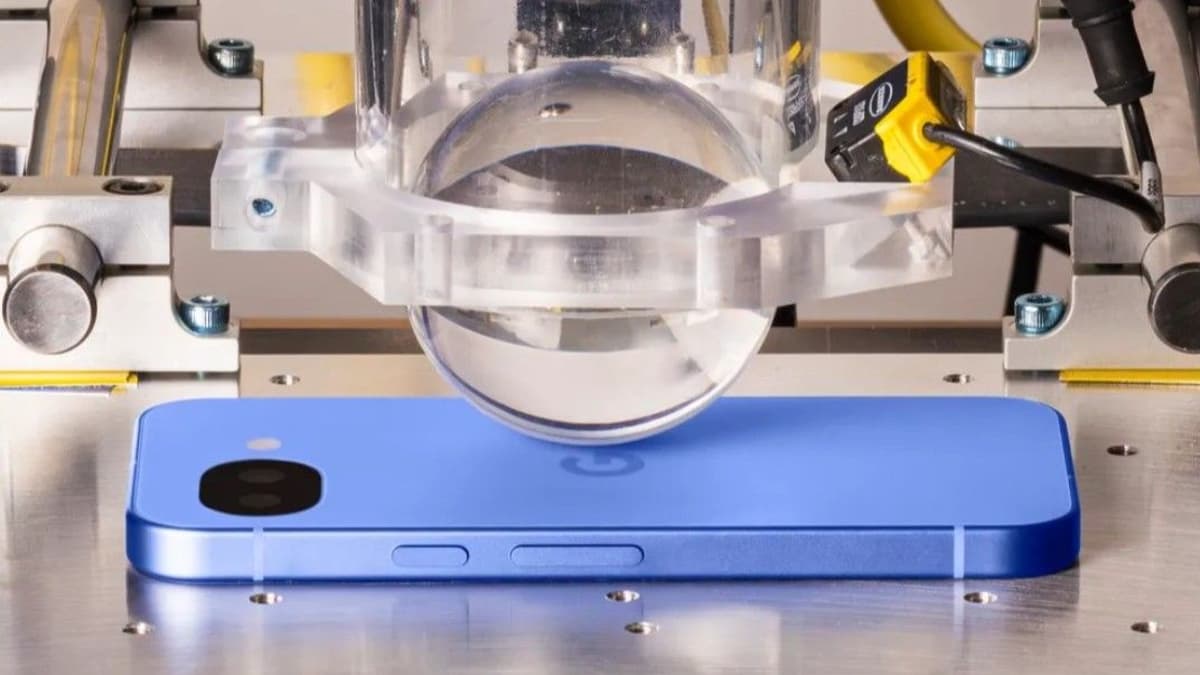
Is the Google Pixel 10a Waterproof?
•February 21, 2026
0
Companies Mentioned


Why It Matters
An IP68 rating gives the Pixel 10a a competitive edge in the cost‑sensitive market, reassuring buyers that a low‑price phone can still endure everyday spills and accidental submersions. This durability can influence purchase decisions and reduce warranty claims for manufacturers.
Key Takeaways
- •Pixel 10a certified IP68: dust‑tight, 2 m water for 30 min
- •Freshwater submersion safe; avoid saltwater and extreme temperatures
- •Water resistance degrades over time, reducing protection later
- •Flagship phones add IP69K for high‑pressure, high‑temp jets
- •Pixel 10a priced $14‑$500, offering strong durability for budget
Pulse Analysis
IP68 has become the industry baseline for modern smartphones, signifying that a device can survive dust ingress and temporary freshwater submersion. For consumers, this means everyday mishaps—like a dropped phone in a sink or a splash at the pool—won’t instantly render the device unusable. However, the rating does not cover high‑pressure jets, saltwater corrosion, or prolonged exposure, so users must still exercise caution and consider supplemental protection for extreme conditions.
The practical lifespan of water resistance is another factor that often goes unnoticed. Seals and adhesives can degrade with repeated temperature cycles, impacts, and the natural wear of daily use. As the Pixel 10a ages, its ability to repel moisture may lessen, making regular drying and occasional use of waterproof cases prudent. Manufacturers typically honor warranty claims only when water damage results from manufacturing defects, not from neglect of the device’s care guidelines.
From a market perspective, the Pixel 10a’s IP68 rating punches above its price class, positioning Google’s budget offering alongside premium phones that traditionally boasted similar durability. This parity can sway cost‑conscious shoppers who value longevity without paying flagship premiums. While competitors like OnePlus are pushing IP69K for industrial‑grade resilience, most consumers prioritize reliable everyday protection over extreme durability. Coupled with Google’s seven‑year software support, the Pixel 10a presents a compelling blend of affordability, durability, and long‑term value, a formula likely to influence future budget‑segment strategies across the industry.
Is the Google Pixel 10a waterproof?
0
Comments
Want to join the conversation?
Loading comments...