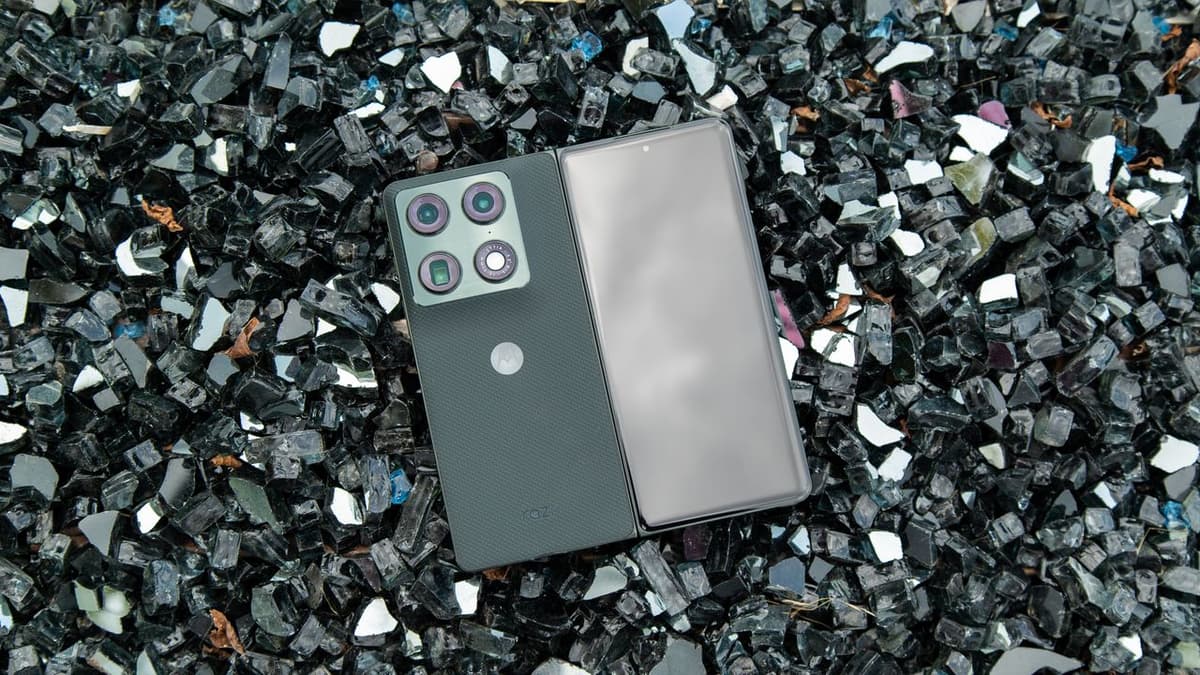
I've Tested the Motorola Razr Fold for Two Weeks, and Samsung Has a New Reason to Be Nervous
Why It Matters
The Razr Fold expands Motorola’s foldable lineup, giving Samsung a new competitor in the high‑end U.S. market and raising the bar for pricing, battery life, and long‑term software support.
Key Takeaways
- •Razr Fold launches at $1,900, targeting high‑end foldable segment
- •Snapdragon 8 Gen 5 + 16 GB RAM delivers flagship performance
- •Triple 50 MP camera system offers strong zoom up to 100×
- •6,000 mAh battery with 80 W charging lasts over a day
- •7‑year OS/security updates differentiate Motorola from rivals
Pulse Analysis
Motorola’s entry into the book‑style foldable arena arrives at a pivotal moment for the segment, which has seen cumulative shipments climb past 30 million units worldwide. By pairing a Snapdragon 8 Gen 5 chipset with 16 GB of LPDDR5X RAM and a 512 GB UFS 4.1 drive, the Razr Fold positions itself squarely among flagship devices, yet its $1,900 price point undercuts Samsung’s Galaxy Z Fold 7, which starts near $2,000. The 8.1‑inch 2K inner panel, complemented by a 165 Hz external screen, offers a versatile canvas for multitasking, while the 6,000 mAh silicon‑carbon battery and 80 W fast charger address one of the biggest consumer pain points: endurance.
Beyond raw specs, the Razr Fold’s camera suite stands out. Three 50 MP sensors—wide, ultrawide, and periscope telephoto—deliver crisp images and a zoom range that reaches 100×, a capability rarely seen outside premium Samsung models. Coupled with Android 16’s refined Hello UI and a promise of seven years of OS and security updates, Motorola signals a commitment to longevity that could sway enterprise buyers wary of rapid software obsolescence. The optional Moto Pen Ultra, while sold separately, adds a note‑taking and remote‑camera experience reminiscent of legacy Note devices, though the lack of magnetic storage remains a minor inconvenience.
The launch forces Samsung to reassess its dominance in the U.S. foldable market. With Motorola offering comparable performance, a superior battery, and a longer update window at a slightly lower price, competitors may feel pressure to accelerate innovation or adjust pricing. For consumers, the Razr Fold expands choice, potentially accelerating mainstream adoption of foldables as a viable alternative to traditional smartphones.
I've tested the Motorola Razr Fold for two weeks, and Samsung has a new reason to be nervous
Comments
Want to join the conversation?
Loading comments...