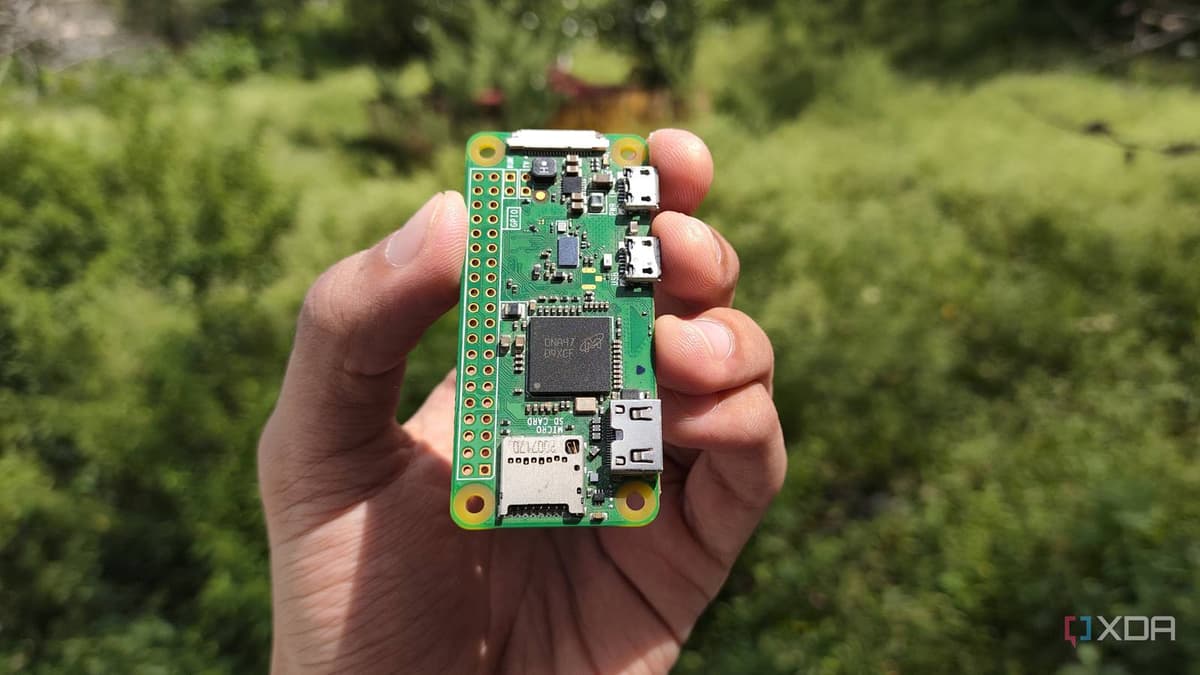
Koffan Is a Self-Hosted Grocery List You Can Share with Your Family, and It Runs on a Raspberry Pi Zero W
•March 1, 2026
0
Why It Matters
Koffan demonstrates how low‑cost, low‑power self‑hosting can replace subscription‑based apps, improving household coordination while keeping data local. It validates the shift toward single‑purpose, always‑on home appliances that add tangible value.
Key Takeaways
- •Koffan runs on Raspberry Pi Zero W
- •Real-time sync via web app, no accounts
- •Lightweight Go server, optional Docker
- •Low power, always‑on appliance
- •Improves family grocery coordination, avoids duplicate purchases
Pulse Analysis
The rise of DIY home‑lab projects has moved beyond novelty experiments toward practical, everyday tools. Low‑cost single‑board computers like the Raspberry Pi Zero W offer enough processing power to host lightweight services while consuming minimal electricity. This trend aligns with growing consumer fatigue over subscription models, prompting makers to create self‑hosted alternatives that keep data in‑house and reduce recurring costs.
Koffan leverages this environment by delivering a minimalist grocery‑list service that updates instantly across browsers. Written in Go, the application runs a tiny web server that serves a responsive page installable as a progressive web app, eliminating the need for native clients or user accounts. Real‑time synchronization eliminates the classic “shopping‑cart problem,” where duplicate purchases occur due to delayed list updates, thereby streamlining family shopping trips and reducing waste.
Beyond groceries, Koffan illustrates a broader shift toward dedicated, always‑on appliances for specific household tasks. By running on a Pi Zero W, the service remains low‑maintenance, secure behind a local network, and easily backed up. Its simplicity encourages other developers to package niche utilities—like chore trackers or inventory managers—into similarly lightweight containers, fostering a sustainable ecosystem of self‑hosted, subscription‑free solutions for the modern home.
Koffan is a self-hosted grocery list you can share with your family, and it runs on a Raspberry Pi Zero W
0
Comments
Want to join the conversation?
Loading comments...