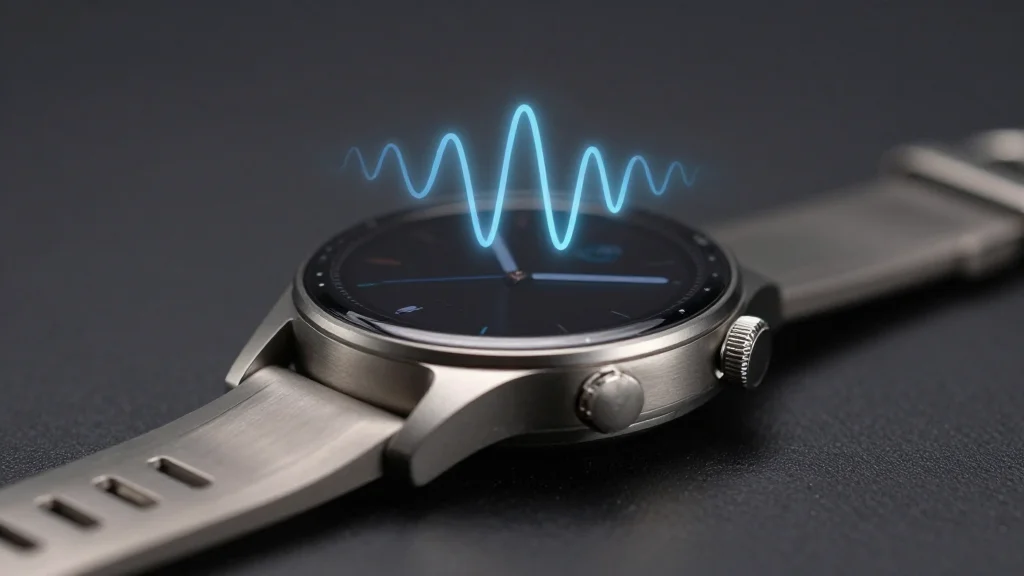
Leaks Hint Samsung’s Galaxy Watch Ultra 2 Arriving July 2026 with Incremental Upgrades

Companies Mentioned
Why It Matters
The Galaxy Watch Ultra 2 represents Samsung’s attempt to sustain relevance in a wearables market increasingly defined by health‑centric AI and battery longevity. By retaining a proven design while nudging performance forward, Samsung signals a cautious strategy that prioritizes ecosystem cohesion over radical redesign. If the AI‑driven health features deliver measurable benefits, they could deepen user lock‑in and challenge Apple’s health data dominance. Conversely, the watch’s incremental nature may expose Samsung to criticism that it is lagging behind rivals that are introducing more transformative features, such as Huawei’s aggressive battery claims or Garmin’s superior activity tracking accuracy. The outcome of the Ultra 2 launch will therefore influence how Samsung is perceived by both consumers and investors regarding its ability to innovate within the premium wearables segment.
Key Takeaways
- •Leaks suggest a July 2026 launch for the Galaxy Watch Ultra 2, alongside the Galaxy Watch 9.
- •Design expected to stay unchanged: 47 mm titanium case, rotating bezel, and 64 GB storage.
- •Powered by the Exynos W1000 3 nm chipset, promising up to three days of battery life.
- •Potential AI enhancements could add an antioxidant index and early‑stage glucose monitoring.
- •Critics note limited band compatibility and lack of ECG support on non‑Samsung phones.
Pulse Analysis
Samsung’s decision to iterate rather than overhaul the Ultra line reflects a broader industry trend where premium wearables are maturing into incremental upgrades. The company appears to be leveraging its existing supply chain efficiencies and brand equity, betting that modest gains in battery life and AI health features will be enough to retain its high‑end user base. This mirrors Apple’s recent strategy of refining the Watch’s health sensors without radically altering its silhouette, suggesting that consumers may value reliability and ecosystem integration over frequent design revolutions.
However, the wearables market is reaching a point where differentiation increasingly hinges on data accuracy and cross‑platform functionality. Garmin’s reputation for precise activity tracking and Huawei’s multi‑day battery endurance set high expectations. Samsung’s rumored omission of ECG support for non‑Samsung devices could become a liability, especially as users demand seamless health data across multiple devices. If the Ultra 2 fails to address these gaps, it risks being perceived as a stop‑gap rather than a flagship advancement.
Strategically, the synchronized launch with the Galaxy Watch 9 and Z Fold 7 could amplify Samsung’s ecosystem narrative, encouraging consumers to adopt a suite of devices that work together flawlessly. Yet the success of this narrative will depend on whether the Ultra 2’s AI health upgrades translate into tangible user benefits. Should Samsung deliver on these promises, it could reinforce its position as a viable alternative to Apple in the premium wearables space. If not, the brand may need to accelerate more substantive innovations to keep pace with rivals that are pushing the envelope on health monitoring and battery performance.
Leaks Hint Samsung’s Galaxy Watch Ultra 2 Arriving July 2026 with Incremental Upgrades
Comments
Want to join the conversation?
Loading comments...