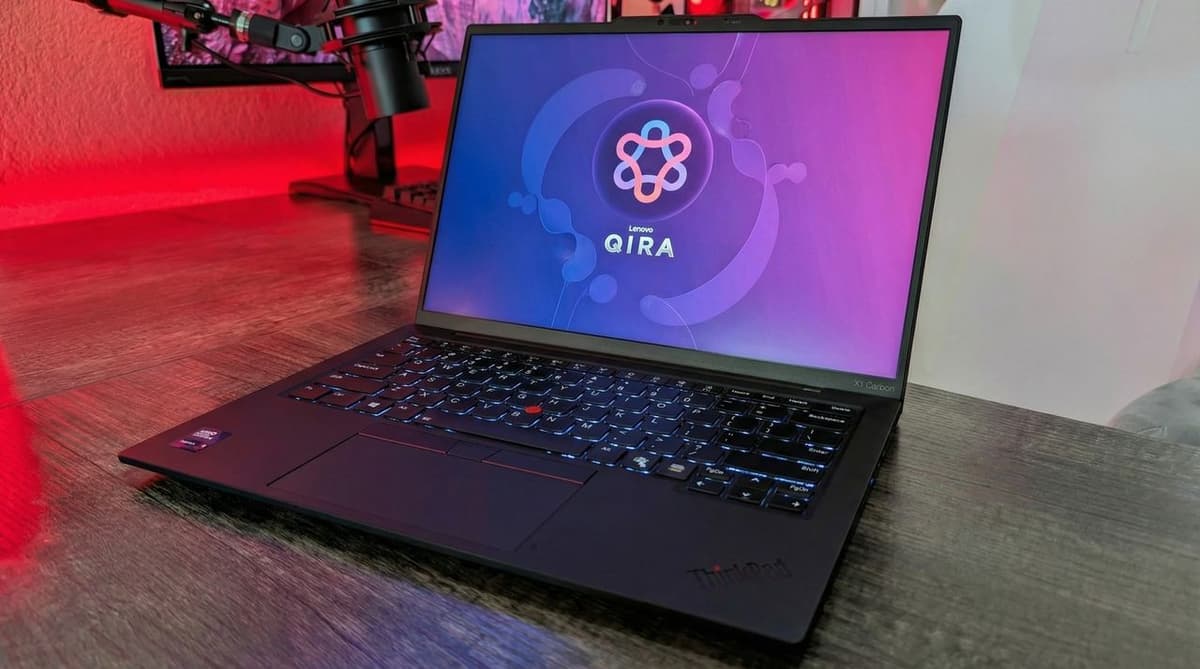
Lenovo's Biggest AI Gamble Is Set to Debut in the Coming Weeks — Will Qira Deliver on Its Ambient Intelligence Promises? You Can Find Out Soon in These Regions.
•March 1, 2026
0
Why It Matters
Qira positions Lenovo as a leader in device‑wide AI assistants, potentially reshaping enterprise productivity and consumer interaction. Its cross‑device continuity could drive hardware sales and lock‑in users to Lenovo’s ecosystem.
Key Takeaways
- •Rollout on 20+ devices begins within weeks
- •Launch in nine regions, six languages supported
- •Integrates with Lenovo laptops, tablets, future Motorola phones
- •Uses ChatGPT, Gemini for task automation
- •Lenovo pledges transparent privacy and data security
Pulse Analysis
The debut of Qira marks a strategic shift for Lenovo, moving from hardware‑centric branding to an AI‑driven experience platform. While competitors like Microsoft and Apple have long offered voice assistants, Lenovo’s promise of a "personal ambient intelligence" that learns user habits across devices could differentiate its portfolio. By embedding the assistant in ThinkPad, Yoga, Legion and IdeaPad lines, Lenovo aims to create a seamless productivity layer that adds value beyond raw specifications, appealing to both enterprise buyers and power users seeking unified workflows.
Technically, Qira’s architecture relies on plug‑in large language models such as OpenAI’s ChatGPT and Google’s Gemini, allowing it to interpret natural language commands and trigger actions across applications. The cross‑device continuity—carrying a digital twin of the user from laptop to tablet and eventually to Motorola smartphones—addresses a long‑standing fragmentation issue in the PC market. However, the assistant’s data collection raises privacy questions; Lenovo’s pledge of transparency will be tested as it scales, especially in regions with stricter data regulations like the EU and Brazil.
If Qira delivers on its productivity promises, it could become a catalyst for increased hardware adoption, similar to how Apple’s ecosystem drives iPhone and Mac sales. Enterprises may favor Lenovo devices that embed an AI assistant capable of automating routine tasks, reducing training costs and boosting employee efficiency. Conversely, failure to secure user trust could hamper adoption and give rivals an opening to reinforce their own AI ecosystems. The coming weeks will reveal whether Qira can translate hype into measurable market momentum.
Lenovo's biggest AI gamble is set to debut in the coming weeks — Will Qira deliver on its ambient intelligence promises? You can find out soon in these regions.
0
Comments
Want to join the conversation?
Loading comments...