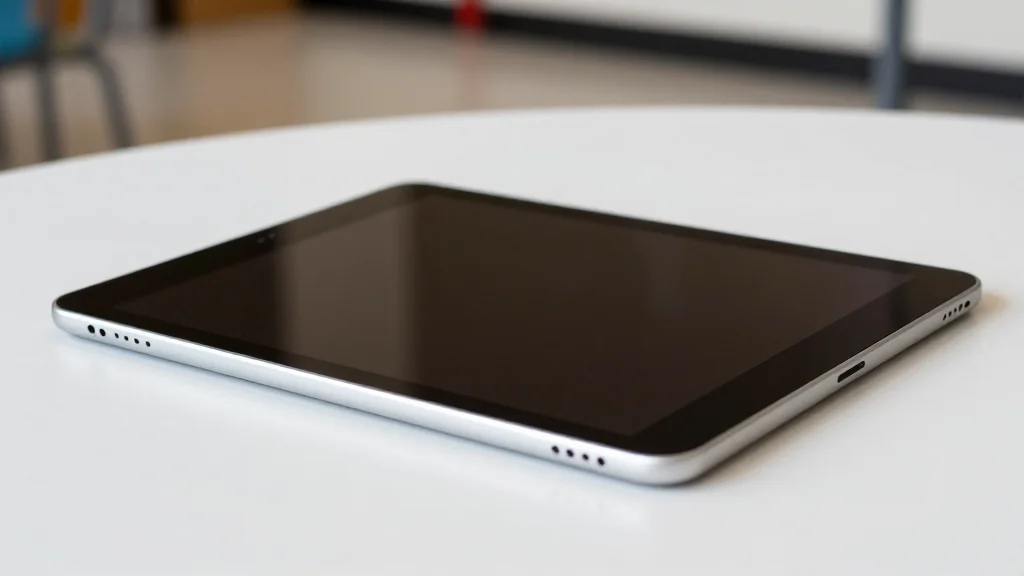
Los Angeles Schools Halt Device Distribution, Triggering Nationwide Ed‑Tech Reassessment

Why It Matters
The LAUSD decision could reshape the consumer‑tech landscape by curbing demand for bulk school‑issued laptops, tablets, and associated software licenses. Device manufacturers and ed‑tech platforms that have relied on multi‑year district contracts may need to pivot toward subscription‑based services, modular hardware, or hybrid learning solutions that blend digital and analog tools. Beyond the market, the policy shift raises fundamental questions about how technology should support education without compromising student health or widening the digital divide. If more districts adopt similar limits, the industry could see a slowdown in hardware sales but a surge in demand for content‑curation tools, teacher‑training services, and analytics that demonstrate measurable learning gains without excessive screen time.
Key Takeaways
- •LAUSD voted to stop issuing laptops to K‑2 students and tighten screen‑time rules district‑wide.
- •The district’s ed‑tech contracts total $1.6 billion, a sizable share of the U.S. K‑12 tech market.
- •At least 14 states have introduced legislation to limit school screen time, per Ballotpedia.
- •A federal advisory warns that excessive youth screen use is a growing public‑health issue.
- •Educators like Anna Soffer describe devices as “a world of distraction,” fueling the policy reversal.
Pulse Analysis
LAUSD’s pullback signals the first major crack in the ed‑tech boom that has been fueled by pandemic‑era remote‑learning investments. For years, hardware vendors marketed bulk device purchases as a prerequisite for modern curricula, promising economies of scale and data‑driven personalization. The district’s $1.6 billion spend illustrates how deeply those promises have been embedded in school budgets. Yet the rapid reversal suggests that the perceived educational benefits are being outweighed by concerns over distraction, equity, and cost.
From a market perspective, the shift could accelerate a transition toward a services‑first model. Companies that can demonstrate tangible learning outcomes with minimal screen exposure—such as adaptive learning platforms, low‑bandwidth content, and teacher‑support tools—are likely to thrive. Conversely, manufacturers of low‑cost Chromebooks and tablets may need to diversify, perhaps by offering device‑as‑a‑service arrangements that allow districts to scale back hardware without abandoning digital curricula entirely.
Policy‑wise, LAUSD’s move may act as a catalyst for a broader legislative wave. Lawmakers in 14 states are already drafting screen‑time limits, and the recent federal advisory adds a national health dimension to the debate. If these measures gain traction, the consumer‑tech sector could see a recalibration of its growth strategy, focusing less on hardware volume and more on responsible, outcome‑based technology integration. The coming school year will be a litmus test: success in LAUSD could embolden other districts to follow, reshaping the future of classroom technology across the United States.
Los Angeles Schools Halt Device Distribution, Triggering Nationwide Ed‑Tech Reassessment
Comments
Want to join the conversation?
Loading comments...