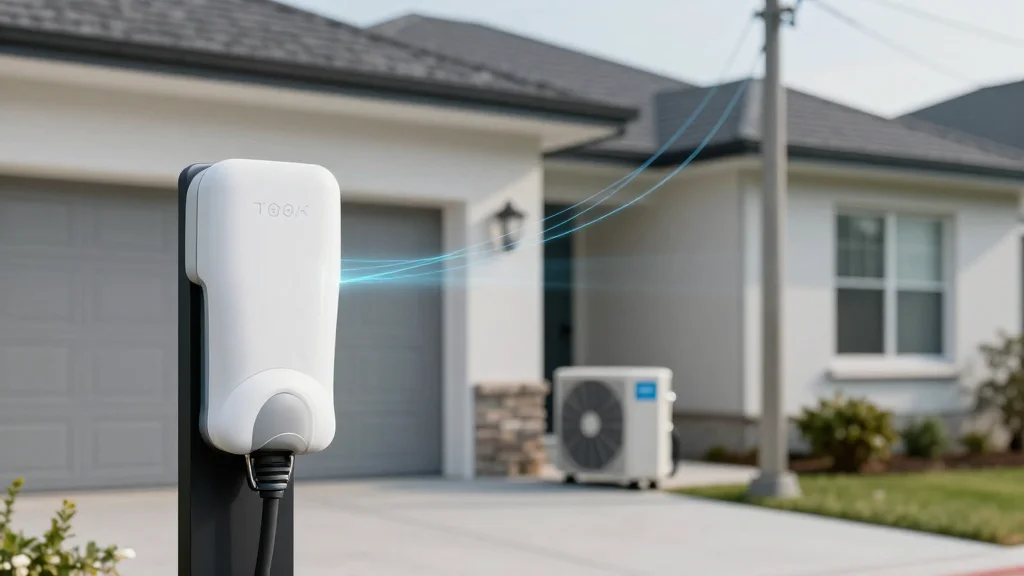
Matter and OpenADR Alliance Join Forces to Link Smart Homes Directly to the Grid

Why It Matters
Linking Matter and OpenADR bridges a long‑standing gap between consumer‑grade smart‑home devices and utility‑grade grid communications. The convergence could accelerate the rollout of automated demand‑response, a key tool for managing the growing electricity demand from electrified transport and heating. For consumers, the technology promises transparent, incentive‑driven savings without manual scheduling, while utilities gain a more granular, real‑time view of residential load. Beyond immediate energy savings, the partnership sets a precedent for cross‑industry standards cooperation. By demonstrating that a consumer‑focused protocol can safely interface with grid operations, the effort may inspire similar collaborations in areas like water management and home‑based renewable integration, further embedding smart‑home tech into essential services.
Key Takeaways
- •Matter and OpenADR Alliance sign a partnership to integrate smart‑home and grid protocols
- •Matter handles in‑home device communication; OpenADR 3 manages utility‑grid messaging
- •Collaboration expands demand‑response beyond HVAC to EV chargers, heat pumps, and more
- •Embedded OpenADR could eliminate separate demand‑response hardware boxes
- •Pilot trials slated for North America and Europe to validate the integrated stack
Pulse Analysis
The Matter‑OpenADR alliance tackles a fragmentation problem that has slowed residential demand‑response adoption for years. Historically, manufacturers faced a choice between supporting proprietary utility interfaces or limiting their products to basic smart‑home functions. By offering a unified stack, the partnership reduces engineering overhead and creates a clear value proposition for both OEMs and utilities.
From a competitive standpoint, the move positions Matter—backed by major players like Apple, Google, and Amazon—against rival connectivity ecosystems such as Zigbee and Thread, which have yet to secure a comparable grid‑level bridge. Utilities that previously relied on legacy demand‑response boxes may now favor devices that natively speak OpenADR, potentially reshaping supply chains and accelerating the deprecation of older hardware.
Looking ahead, the success of the integration will hinge on regulatory support and the willingness of utilities to offer meaningful incentives. If pilot programs demonstrate reliable load‑shifting without compromising consumer comfort, we could see a rapid expansion of grid‑aware appliances, driving both emissions reductions and a new revenue stream for utilities through dynamic pricing models. The partnership thus represents a strategic inflection point where consumer convenience, grid reliability, and climate goals intersect.
Matter and OpenADR Alliance Join Forces to Link Smart Homes Directly to the Grid
Comments
Want to join the conversation?
Loading comments...