Meta Targets 10 Million AI Wearables by Late 2026, Including New Pendant and Smart‑Glass Lineup

Companies Mentioned

Why It Matters
Meta’s aggressive expansion into AI‑enabled wearables signals a strategic pivot from pure software to a hardware‑centric revenue model. By targeting 10 million units, the company aims to generate a new, recurring income stream that could offset the massive $19 billion loss in its Reality Labs division, a critical step toward achieving profitability in its broader metaverse ambitions. The move also intensifies competition in the nascent AI‑wearable market, where Apple’s Vision Pro and Google’s Pixel Glasses have set high expectations for performance and user experience. Meta’s focus on AI‑driven transcription, summarization, and supersensing could differentiate its products, but success will depend on delivering reliable hardware and compelling enterprise services.
Key Takeaways
- •Meta plans to sell 10 million AI wearables by late 2026 to offset a $19 billion R&D loss.
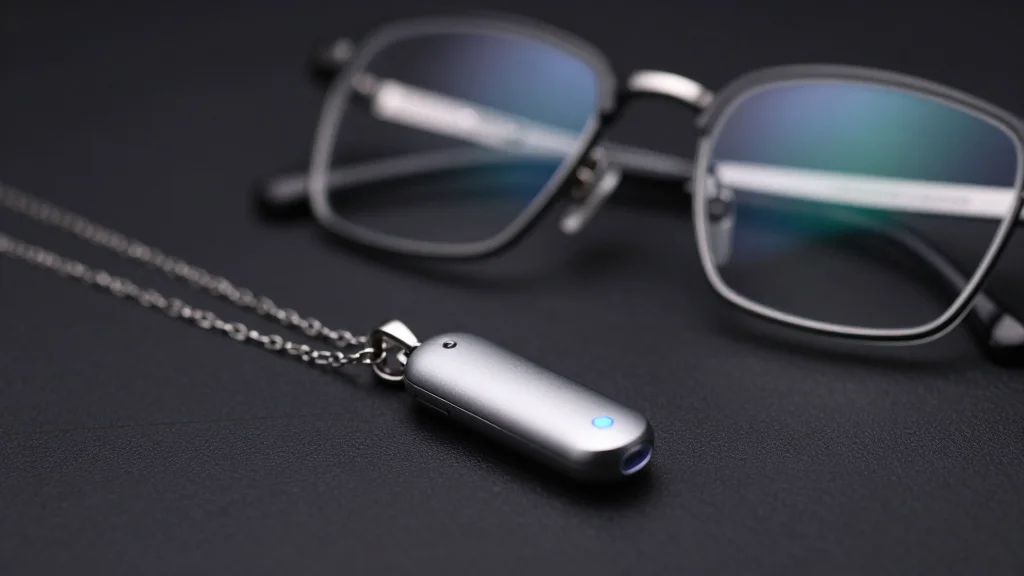
- •The company acquired Limitless, the maker of the original AI pendant, at the end of 2025.
- •Four new smart‑glass models—Modelo, Luna, RBM2 Refresh, and Mojito VIP—are slated for release between now and December 2026.
- •Meta will launch a subscription service, "Wearables for Work," targeting enterprise customers.
- •Testing of the AI pendant is scheduled to begin in 2027, with a consumer rollout later that year.
Pulse Analysis
Meta’s wearable strategy reflects a broader industry trend of embedding generative AI into everyday accessories. The company’s deep pockets and AI talent give it a unique advantage, but the hardware market remains unforgiving. Past attempts, such as the original Meta Quest line, suffered from high price points and limited app ecosystems. By focusing on AI‑driven productivity—real‑time transcription, summarization, and context‑aware assistance—Meta hopes to carve a niche that resonates with both consumers and businesses.
Historically, hardware success for Meta has hinged on network effects; the more users adopt a device, the richer the data pool for AI training, creating a virtuous cycle. The 10 million unit target is ambitious, especially when compared to Apple’s 5‑million Vision Pro shipments in its first year. However, Meta’s lower‑cost pendant and subscription model could lower the barrier to entry, attracting price‑sensitive enterprise buyers.
Looking ahead, the rollout of Hatch will be a litmus test for Meta’s AI integration capabilities. If Hatch can deliver reliable, low‑latency assistance across wearables, Meta could set a new standard for AI‑augmented personal devices. Conversely, any missteps in hardware reliability or AI performance could reinforce skepticism about Meta’s hardware ambitions, potentially diverting investor confidence back toward its core advertising business.
Meta Targets 10 Million AI Wearables by Late 2026, Including New Pendant and Smart‑Glass Lineup
Comments
Want to join the conversation?
Loading comments...