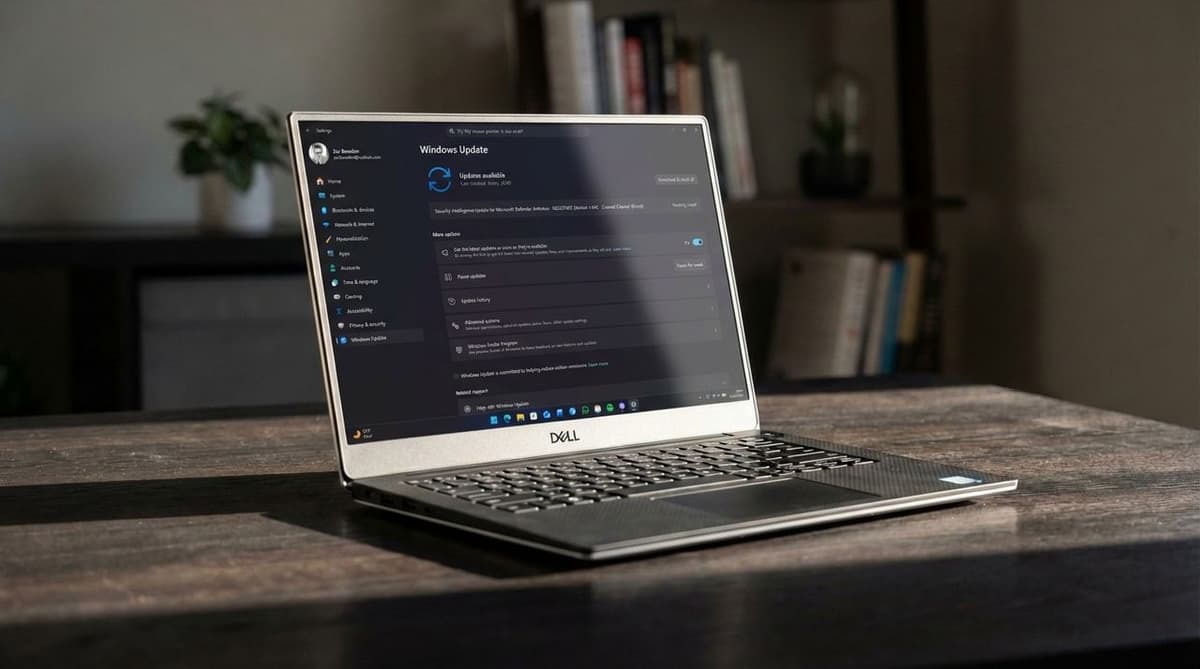
Microsoft Just Released an Actually Good Windows 11 Update — with System Performance Improvements, Better Wake From Sleep, and More
•February 24, 2026
0
Why It Matters
The refresh addresses long‑standing usability gaps, boosting productivity for both consumers and enterprise users, and signals Microsoft’s renewed focus on incremental OS refinement.
Key Takeaways
- •Built‑in network speed test added to taskbar
- •WebP wallpapers now supported natively
- •Sysmon integrated for native threat detection
- •Sleep‑wake reliability and printing performance boosted
- •Camera pan/tilt controls appear in Settings
Pulse Analysis
Microsoft’s February Windows 11 patch marks a subtle yet meaningful shift in the company’s update strategy. While major feature releases have been scarce, this optional update leans heavily into everyday efficiency, offering a network speed test directly from the taskbar and expanding media compatibility with native WebP wallpaper support. By embedding Sysmon, Microsoft equips IT teams with built‑in telemetry for advanced threat hunting, reducing reliance on third‑party tools and streamlining security workflows.
Beyond the headline features, the update refines core system behaviors that power users notice daily. Enhanced wake‑from‑sleep handling and a faster printing service address common complaints that have lingered since Windows 11’s launch. The revamped widget settings and camera pan/tilt controls improve the personalization and hardware interaction experience, while the updated backup and Quick Machine Recovery mechanisms simplify device provisioning in hybrid and cloud‑PC environments. These tweaks collectively raise the baseline reliability of the OS, making it a more attractive platform for enterprise deployments.
From a business perspective, the patch underscores Microsoft’s intent to rebuild confidence in Windows as a stable, productivity‑centric operating system. By prioritizing performance and security enhancements over flashy AI features, the company positions Windows 11 to retain existing customers and entice new enterprise adopters seeking a dependable foundation for modern workloads. Continued incremental improvements like these could set the tone for the remainder of 2026, reinforcing Windows’ role as the default desktop environment in a competitive market.
Microsoft just released an actually good Windows 11 update — with system performance improvements, better wake from sleep, and more
0
Comments
Want to join the conversation?
Loading comments...