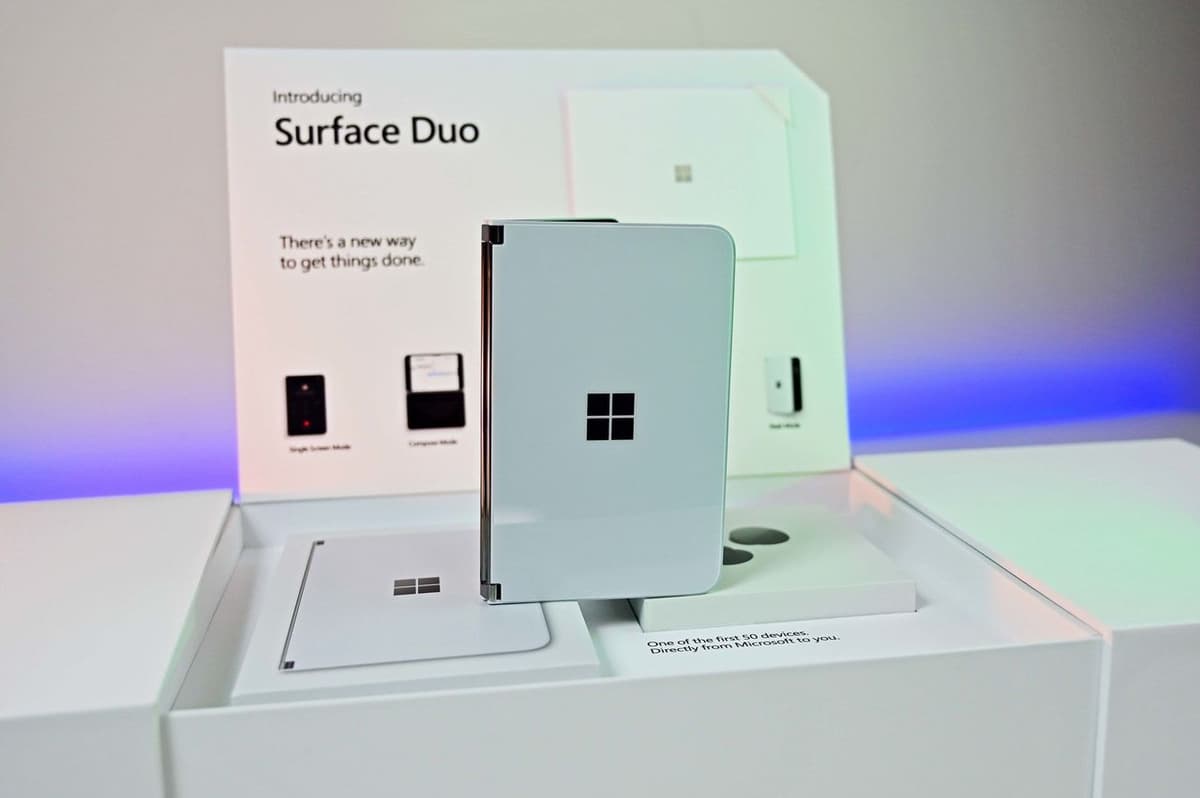
Microsoft Nearly Solved One of Folding Phones’ Worst Problems: New Patent Reveals Spring-Loaded Hinge Design for Canceled Surface Duo 3
Why It Matters
A smoother hinge could have addressed a key usability complaint that hampers adoption of foldable smartphones, potentially giving Microsoft a competitive edge. The patent underscores the lingering strategic interest in Android‑powered hardware despite the Surface portfolio’s shrinkage.
Key Takeaways
- •Spring‑loaded hinge enables one‑hand opening of foldable phones
- •Two button placements explored: spine and power button
- •Patent filed 2024, after Surface Duo line was scrapped
- •Design aimed to solve common foldable opening difficulty
Pulse Analysis
The recently surfaced Microsoft patent details a spring‑loaded hinge that would have powered a third‑generation Surface Duo, internally known as "Neon." By compressing a spring when the device closes and releasing it via a button—either on the spine or integrated into the power button—the mechanism promises a single‑hand, fluid opening motion. This approach directly tackles the most frequent consumer gripe with current foldables: the effort required to pry the halves apart, especially when magnetic or flat‑edge designs resist easy access.
Microsoft’s foray into foldable hardware began after the original dual‑screen Duo failed to capture mass market interest. In 2022 the company pivoted to a folding‑screen concept, hoping to leverage its Android partnership and differentiate through unique hardware. The spring‑loaded hinge represented a tangible innovation, potentially setting the Duo apart from Samsung’s Galaxy Z series and Huawei’s Mate X line, which rely on robust magnets or complex hinge engineering. By simplifying the user experience, Microsoft could have positioned the Duo as the most ergonomic foldable, appealing to business professionals who value quick, reliable device access.
Despite the technical promise, the patent’s 2024 filing date suggests it was a vestige of development work completed before the Surface Duo line was discontinued. Microsoft has since pared down its hardware slate to essentials like the Surface Laptop and Pro, leaving little indication of a renewed phone push. Nevertheless, the concept illustrates why an Android‑based Microsoft phone remains an intriguing, if unlikely, prospect: it could blend the productivity strengths of Windows with a differentiated hardware experience, potentially reshaping the niche foldable market if ever revived.
Microsoft nearly solved one of folding phones’ worst problems: New patent reveals spring-loaded hinge design for canceled Surface Duo 3
Comments
Want to join the conversation?
Loading comments...