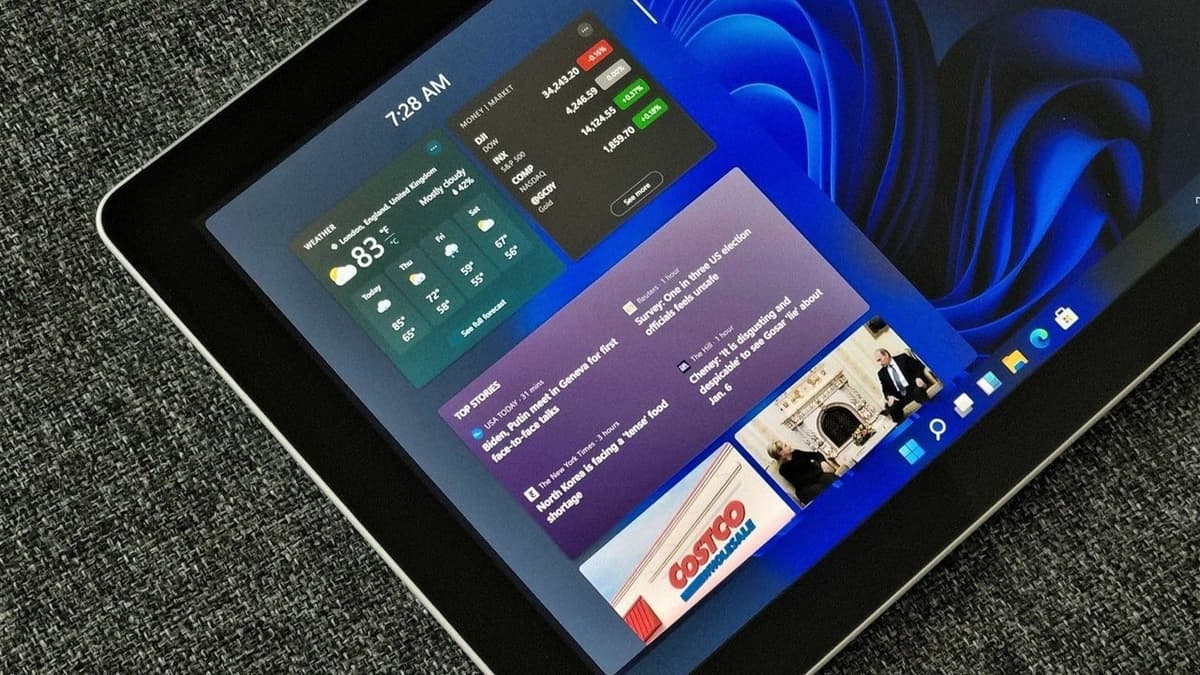
Microsoft Will Hide Windows 11's Annoying MSN Feed by Default as It Moves to Reduce Ads and Noise Across the OS
Companies Mentioned
Why It Matters
By removing the default MSN feed, Microsoft cuts out out‑of‑the‑box advertising, improving user satisfaction and signaling a strategic shift toward a less commercial OS experience.
Key Takeaways
- •MSN news feed hidden by default in Windows 11 Widgets
- •Widgets now open to customizable view, not ad‑filled MSN
- •"Open on hover" and taskbar badging disabled by default
- •Change part of Windows K2 effort to cut OS ads and bloat
- •Users must manually enable MSN feed if they want ads
Pulse Analysis
Microsoft’s latest Windows 11 preview builds mark a notable pivot in how the company treats built‑in content. By silencing the MSN news feed in the Widgets panel, the tech giant is directly responding to long‑standing complaints about intrusive ads and information overload. The move dovetails with the broader Windows K2 program, a post‑launch overhaul launched last year to address performance, UI clutter, and the growing perception that Windows has become a platform for ad‑driven services. Hiding the feed by default not only streamlines the user interface but also reduces the number of ad impressions Microsoft can serve without user consent, a trade‑off that may reshape its ancillary revenue streams.
From a user‑experience standpoint, the update delivers a quieter, more focused desktop environment. Disabling "open on hover" and taskbar badge notifications further reduces visual noise, while the default launch of the customizable widget board encourages personalization over passive consumption. For power users and enterprises, this translates into fewer distractions and potentially lower cognitive load, aligning Windows with the productivity‑first ethos championed by competitors like macOS and Chrome OS. Advertisers, however, will need to adapt, as the onus shifts to users to opt‑in to the MSN feed, likely diminishing click‑through rates and forcing a rethink of targeting strategies within the Windows ecosystem.
Industry analysts view the change as part of a larger trend where operating‑system vendors are rebalancing between monetization and user trust. Microsoft’s decision to curb default ads may improve its brand perception, especially among enterprise customers wary of hidden revenue models. At the same time, the company may explore alternative monetization paths, such as premium widget bundles or deeper integration with its Azure AI services. As Windows continues to evolve, the balance between a clean, ad‑light experience and the financial incentives of embedded advertising will remain a key strategic battleground.
Microsoft will hide Windows 11's annoying MSN feed by default as it moves to reduce ads and noise across the OS
Comments
Want to join the conversation?
Loading comments...