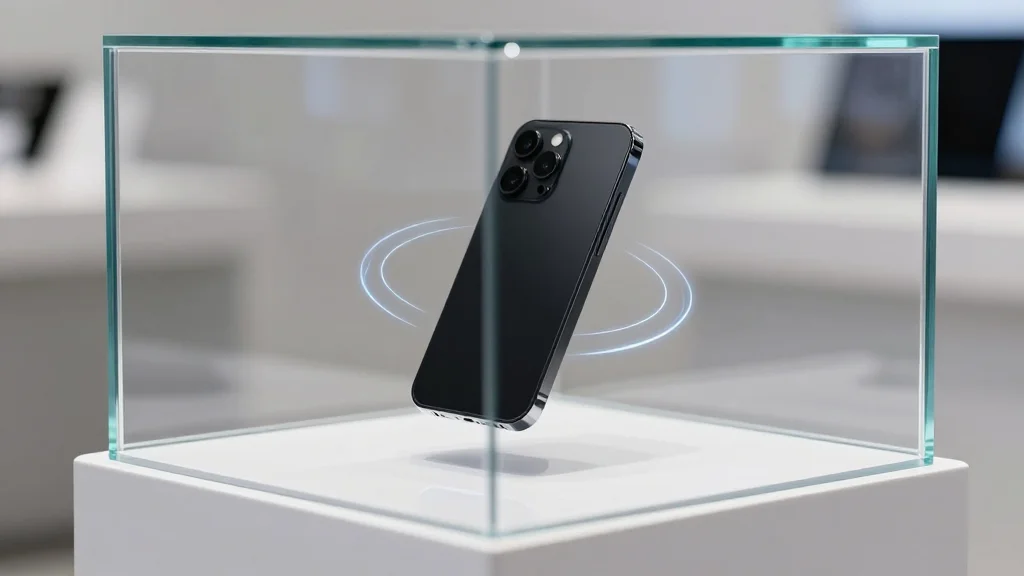
Moocci Launches Patent‑Backed Kinetic Display That Stabilizes Magnetic Levitation for Retail

Why It Matters
The introduction of a stable, patent‑backed magnetic levitation display could redefine how brands create immersive retail experiences, shifting levitation from a gimmick to a dependable visual medium. By addressing vibration, weight, and safety concerns, Moocci removes the technical barriers that have limited adoption, potentially spurring a wave of new product categories—from floating furniture to interactive museum exhibits. The move also signals a broader trend where hardware startups leverage deep IP portfolios to bridge the gap between consumer novelty and enterprise reliability. For the consumer tech ecosystem, MoCCI’s breakthrough may stimulate competition among display manufacturers, drive down component costs, and accelerate integration of magnetic levitation into mainstream smart‑home and IoT devices. If the technology scales, it could inspire new form factors for wearables, audio equipment, and even personal transportation accessories that rely on frictionless motion.
Key Takeaways
- •Moocci’s display uses US Patent 11,469,024 B2 for real‑time magnetic flux adjustment
- •Supports objects up to 5 kg and irregular shapes via US Patent 8,294,542 B2 architecture
- •Fail‑safe recovery during power loss covered by US Patent 10,476,407 B2
- •Meets CE, FCC, and RoHS safety standards for commercial installations
- •Target rollout to select retailers in Q3 2026, broader launch planned for early 2027
Pulse Analysis
Moocci’s patent‑driven approach reflects a maturing phase in consumer hardware where intellectual property is used as a market differentiator rather than just a defensive shield. By bundling three complementary patents, the company creates a moat that is difficult for low‑cost copycats to breach without infringing on core control algorithms, sensor integration, or safety mechanisms. This strategy mirrors the playbook of firms like Apple, which lock down hardware capabilities through layered patents, ensuring both premium pricing power and a barrier to entry.
From a competitive standpoint, Moocci is entering a niche that has been dominated by bespoke industrial solutions from firms such as Hoverboard Labs and magnetic levitation specialists serving aerospace. The ability to mass‑produce a stable levitation module could force incumbents to either lower prices or accelerate their own IP filings. Retailers, meanwhile, gain a new storytelling tool that aligns with the experiential commerce trend, potentially increasing foot traffic and dwell time. However, the success of Moocci’s platform will hinge on its integration with existing retail tech stacks, supply chain scalability, and the perceived ROI of a high‑cost visual asset.
Looking forward, the technology could spill over into adjacent consumer categories. Imagine a smart‑home speaker that hovers for aesthetic effect, or a wearable that uses magnetic suspension to reduce friction on moving parts. If Moocci can demonstrate reliable performance at scale, it may catalyze a broader ecosystem of levitation‑enabled products, turning what was once a novelty into a foundational hardware primitive for the next wave of immersive consumer experiences.
Moocci Launches Patent‑Backed Kinetic Display That Stabilizes Magnetic Levitation for Retail
Comments
Want to join the conversation?
Loading comments...