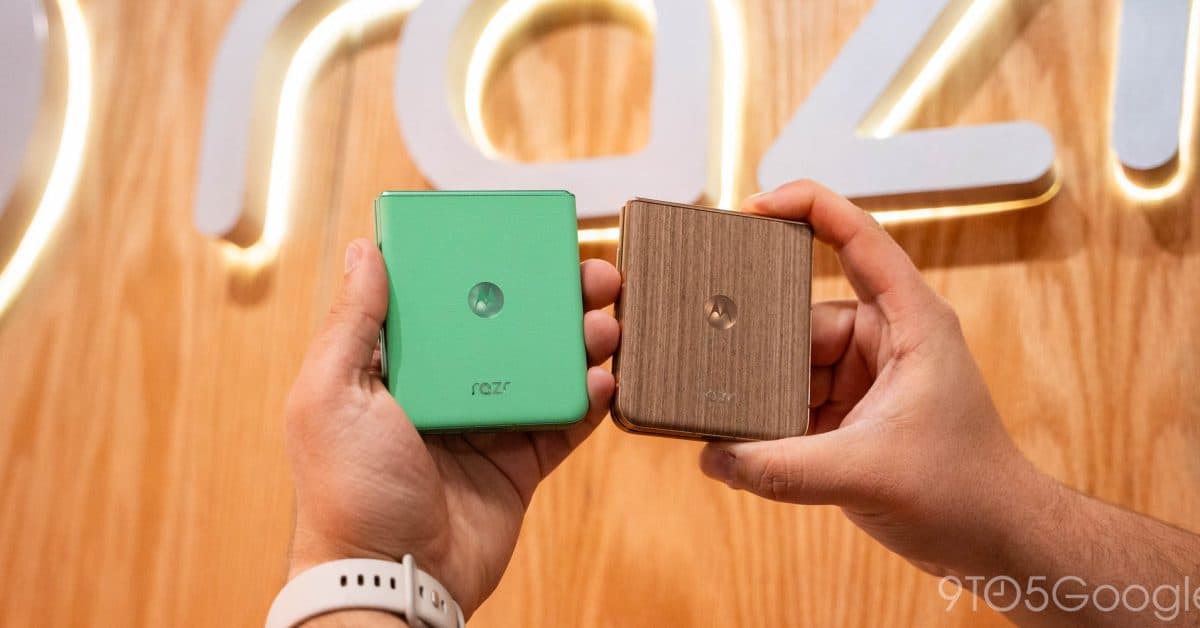
Motorola Razr (2025) and Razr Ultra Just Got Android 16 Updates, Earlier than Last Time
•February 20, 2026
0


Why It Matters
An earlier Android 16 release improves consumer confidence in Motorola’s foldable lineup and pressures rivals to prioritize timely software support.
Key Takeaways
- •Android 16 reaches Razr (2025) and Ultra in US
- •Update arrives months ahead of prior generation schedule
- •Adds enhanced Bluetooth LE and UI refinements
- •Motorola’s update speed improves for third consecutive year
- •No confirmation for unlocked devices yet
Pulse Analysis
Motorola’s recent Android 16 rollout underscores a growing expectation that premium smartphones, especially foldables, receive prompt operating‑system upgrades. Historically, the company lagged behind competitors, often delivering major updates months after launch. By delivering Android 16 to the Razr (2025) and Razr Ultra ahead of its own projected timeline, Motorola signals an effort to align with consumer demand for faster, more reliable software support, a factor increasingly tied to device longevity and resale value.
Beyond timing, Android 16 brings tangible enhancements that matter to power users. Improved Bluetooth Low Energy (LE) performance enhances connectivity with wearables, earbuds, and IoT devices, reducing latency and battery drain. The “more expressive design” tweaks the UI with smoother animations and refined color palettes, subtly elevating the flip‑phone experience. In a market where Samsung and Google dominate the foldable segment, these incremental upgrades help Motorola differentiate its Razr line by offering a fresher, more integrated Android ecosystem.
The broader implication for Motorola is a potential rebuilding of brand trust. Consistent, early updates can sway enterprise buyers and tech‑savvy consumers who prioritize security patches and feature parity. While the update’s availability for unlocked phones remains unclear, the pattern of accelerating rollouts may set a new baseline for future Razr generations. If Motorola sustains this momentum, it could narrow the software gap with rivals and reinforce its position in the niche but competitive foldable market.
Motorola Razr (2025) and Razr Ultra just got Android 16 updates, earlier than last time
0
Comments
Want to join the conversation?
Loading comments...