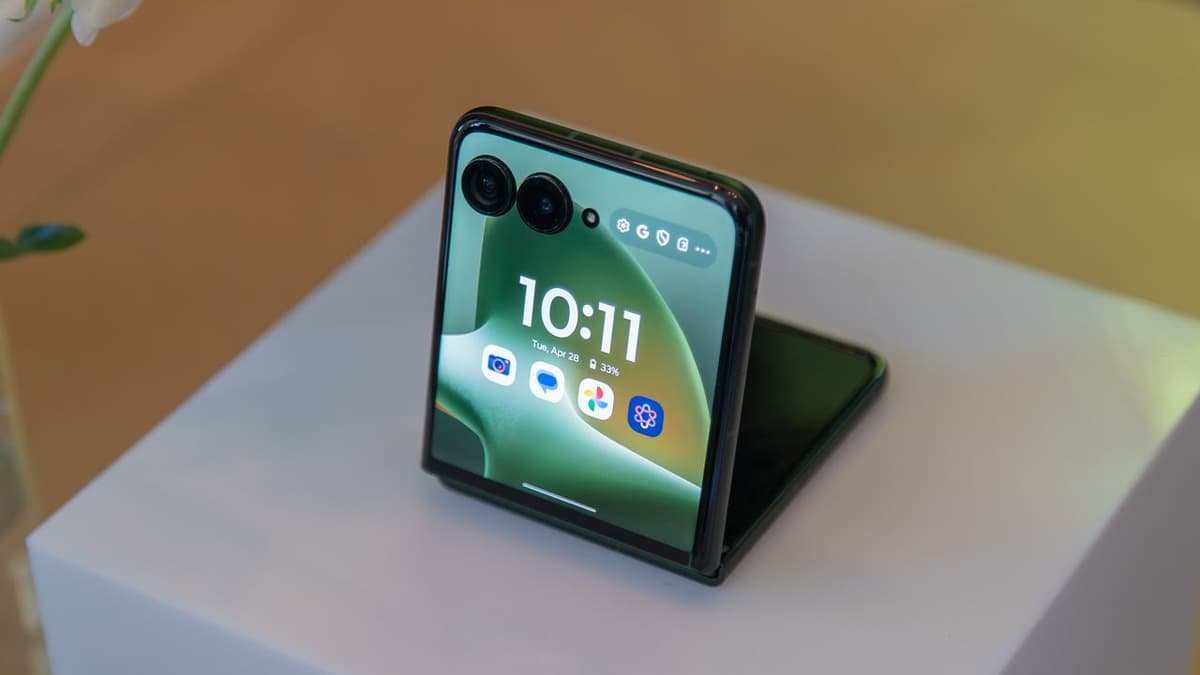
Motorola Razr Plus 2026 Vs. Razr Plus 2025: Differences You Can't See
Companies Mentioned
Why It Matters
The durability and extended software support make the 2026 Razr Plus a more future‑proof investment, while the 2025 model provides a budget‑friendly entry into the foldable market.
Key Takeaways
- •Titanium hinge adds durability without increasing weight
- •500 mAh battery boost gives ~12% longer runtime
- •Ultrawide camera replaces telephoto, enabling broader shots
- •Five years of security updates extend device lifespan
Pulse Analysis
Foldable smartphones remain a niche but rapidly maturing segment, and Motorola’s Razr line continues to define the form factor’s premium tier. By retaining the same Snapdragon 8s Gen 3 processor, 12 GB of LPDDR5X RAM, and 256 GB of storage, the 2026 Razr Plus avoids a costly redesign while still delivering flagship performance. The shift to a true 10‑bit AMOLED panel reduces color banding and eases eye strain, a subtle yet meaningful upgrade for power users and content creators who rely on accurate color reproduction.
The hardware tweaks in the 2026 model focus on longevity and everyday usability. A titanium hinge replaces the aluminum version, delivering comparable weight—still 189 g—but markedly higher resistance to flex fatigue and accidental drops. The 4,500 mAh battery, 500 mAh larger than its predecessor, translates to roughly a dozen extra minutes of screen‑on time per charge, a welcome gain for a device that powers two high‑refresh displays. Replacing the 2× telephoto lens with a 50 MP ultrawide sensor expands creative possibilities, especially when paired with new software features like Ultra HDR and AI‑driven Frame Match, which let users capture cinematic footage without additional accessories.
Software support is increasingly a differentiator in the premium phone market. Motorola extends the Razr Plus 2026’s security updates to five years, pushing the support window to 2030, compared with three years for the 2025 model. This longer lifecycle reduces total cost of ownership for consumers who intend to keep the device beyond the typical two‑year upgrade cycle. While the 2026 version commands a higher price, its durability, battery life, and extended updates deliver tangible long‑term value, making it the smarter choice for professionals and enthusiasts alike; the 2025 model remains a viable, lower‑cost alternative for those comfortable with a shorter support horizon.
Motorola Razr Plus 2026 vs. Razr Plus 2025: Differences you can't see
Comments
Want to join the conversation?
Loading comments...