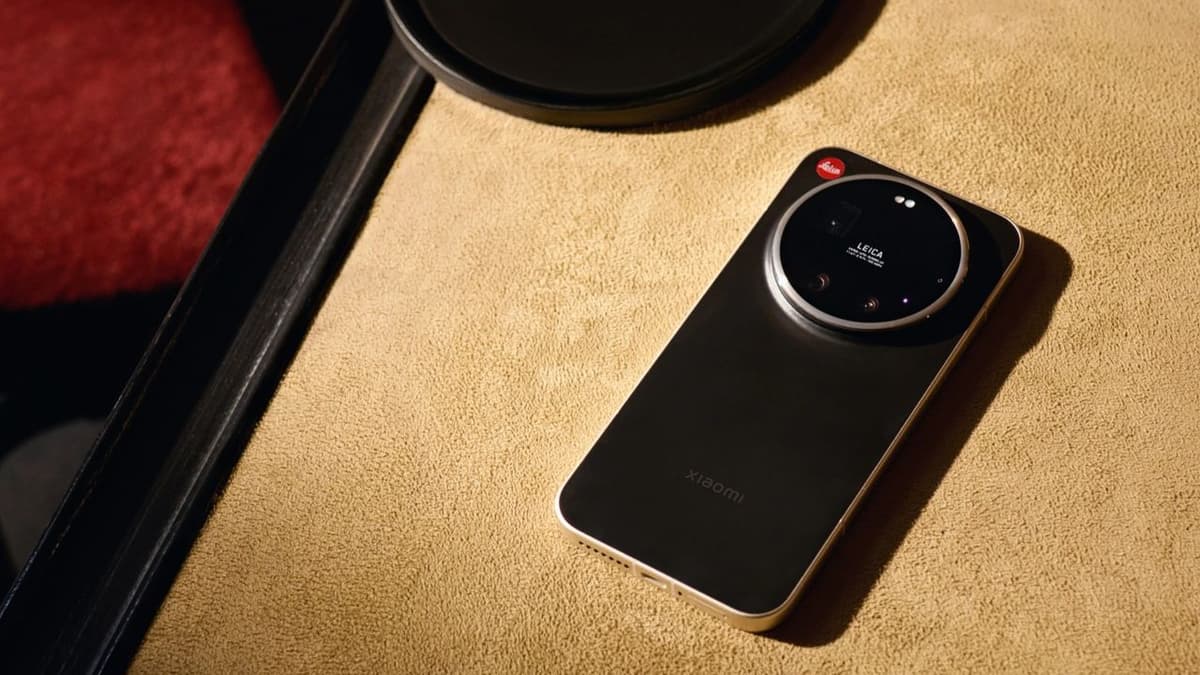
Move over Samsung Galaxy S26 Ultra – Leica Just Launched Its First Android Phone to Kill Off the Camera Phone Competition
•February 28, 2026
0
Companies Mentioned


Why It Matters
The Leitzphone blurs the line between premium cameras and smartphones, challenging incumbents like Samsung and Apple in the lucrative high‑end camera‑phone segment. Its pricing and unique features could reshape consumer expectations for mobile imaging quality and authenticity verification.
Key Takeaways
- •Leica partners with Xiaomi to launch Leitzphone
- •Mechanical camera ring mimics traditional Leica controls
- •Triple rear cameras include two 200 MP sensors
- •Phone priced around $2,300, targeting premium market
- •Integrated Content Authenticity Initiative verifies image provenance
Pulse Analysis
Leica’s entry into the Android ecosystem marks a strategic pivot for the historic camera maker, leveraging its brand equity to capture a slice of the booming premium smartphone market. By collaborating with Xiaomi, Leica gains access to a robust supply chain and cost efficiencies while retaining its design ethos through the distinctive red dot and a mechanical camera ring that offers tactile control over exposure, ISO, and zoom. This partnership also signals Xiaomi’s ambition to elevate its portfolio beyond volume‑driven devices toward luxury‑focused offerings.
The Leitzphone’s hardware specifications are deliberately audacious: a 1‑inch, 200‑megapixel main sensor paired with LOFIC technology promises unprecedented dynamic range for a phone, while a second 200‑megapixel telephoto lens extends the focal length to 100 mm equivalent. Such sensor sizes and pixel counts have traditionally been reserved for dedicated mirrorless cameras, positioning the Leitzphone as a hybrid tool for professionals and enthusiasts who demand flagship image quality without carrying separate gear. The inclusion of a mechanical ring not only differentiates the user experience but also reinforces Leica’s heritage of precision engineering.
Beyond imaging prowess, the Leitzphone embeds the Content Authenticity Initiative, adding a cryptographic signature to each capture. In an era where AI‑generated visuals proliferate, this feature offers verifiable provenance, appealing to journalists, marketers, and creators concerned about misinformation. While the $2,300 price tag places it among the most expensive smartphones, it also establishes a new benchmark for value‑added services in mobile photography, potentially prompting rivals to explore similar authenticity solutions and further blur the lines between traditional cameras and smartphones.
Move over Samsung Galaxy S26 Ultra – Leica just launched its first Android phone to kill off the camera phone competition
0
Comments
Want to join the conversation?
Loading comments...