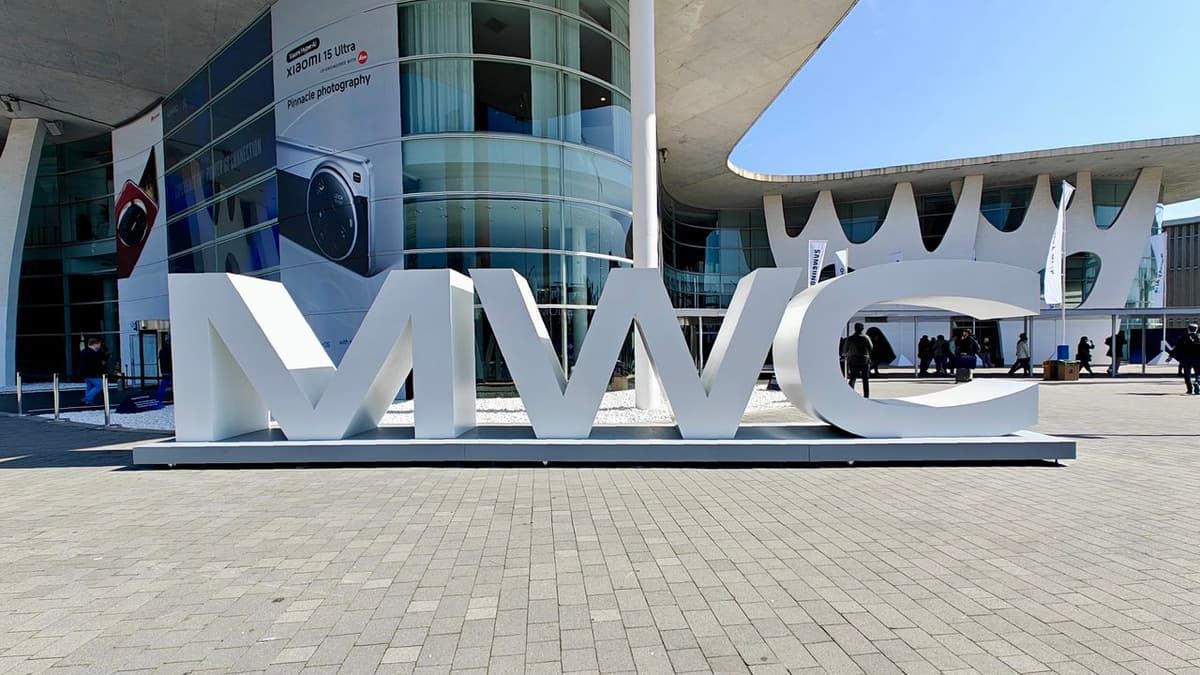
MWC 2026: AI, Foldables, Satellite Connectivity, and Memory Crisis
•February 28, 2026
0
Companies Mentioned


Why It Matters
Embedding AI at the OS level reshapes premium pricing and ecosystem lock‑in, while memory scarcity could force manufacturers to rethink pricing, product cadence, and supply‑chain strategies.
Key Takeaways
- •GenAI phones exceed 37% of 2026 shipments.
- •AI agents will perform multi‑step tasks on‑device.
- •Foldables hold 15% of premium Android market.
- •DRAM/NAND scarcity pushes component prices above 2025 levels.
- •Satellite links aim for mainstream consumer adoption.
Pulse Analysis
The 2026 MWC showcases a decisive shift: AI is no longer an add‑on but the structural backbone of Android devices. On‑device generative models now run locally, reducing latency and data‑center dependence, which fuels higher‑margin premium pricing and deepens user engagement. Qualcomm, MediaTek and Google’s Gemini integration illustrate a hardware‑software convergence that makes AI a differentiator rather than a gimmick, positioning Android to capture a $433 billion market slice and sustain growth amid a mature smartphone landscape.
Foldable form factors, though modest in volume, have become a strategic pillar for Android OEMs, delivering 15% of premium sales and offering a tangible path to margin protection. Simultaneously, the industry confronts a memory crunch as DRAM and NAND manufacturers prioritize AI data‑center demand, inflating component costs and eroding the historic price‑decline curve. This supply‑chain pressure forces brands to balance AI‑driven performance needs with price‑sensitive consumers, potentially elongating upgrade cycles and reshaping competitive dynamics across smartphones and PCs. Satellite connectivity, moving beyond emergency use, promises mainstream coverage, further expanding the Android ecosystem’s reach.
The convergence of AI, foldables, and supply‑chain constraints creates a strategic crossroads: success will hinge on marrying sophisticated software intelligence with resilient component sourcing. Companies that can deliver secure, on‑device AI agents while mitigating memory cost volatility will secure ecosystem stickiness and premium pricing power. As MWC 2026 unfolds, the industry’s competitive advantage will be defined less by raw hardware specs and more by the ability to integrate intelligent experiences within a stable, cost‑effective supply chain.
MWC 2026: AI, foldables, satellite connectivity, and memory crisis
0
Comments
Want to join the conversation?
Loading comments...