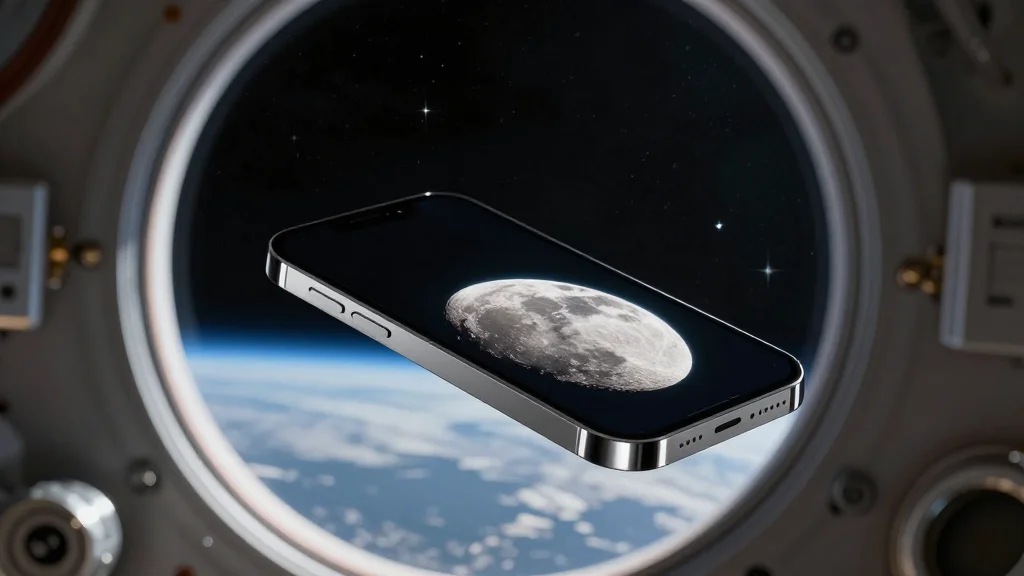
NASA Astronauts Carry iPhones Aboard Artemis II Lunar Flyby

Companies Mentioned
Why It Matters
The inclusion of iPhones on Artemis II signals a shift in how space agencies source technology, favoring commercially available devices that can be mass‑produced and instantly familiar to the public. This approach lowers development costs, accelerates mission timelines, and creates a direct marketing channel for consumer brands, blurring the line between scientific instrumentation and everyday gadgets. For Apple, the mission offers a high‑visibility validation of product durability and ecosystem flexibility, potentially opening new markets in aerospace and defense. For the broader consumer tech industry, it demonstrates that devices designed for terrestrial use can meet the rigorous demands of spaceflight, encouraging further collaborations that could accelerate innovation across sectors.
Key Takeaways
- •Artemis II crew carries iPhones for informal lunar photography
- •Flight director Judd Frieling highlighted iPhones as a public‑engagement tool
- •Christina Koch said the devices help people "wrap their heads around" the mission
- •NASA plans to use consumer devices on future Artemis missions
- •Apple’s involvement provides a de‑facto endorsement of iPhone durability in space
Pulse Analysis
Apple’s subtle entry onto the Artemis II stage illustrates a broader trend: consumer brands are increasingly leveraging high‑profile scientific missions to amplify their narratives. By allowing astronauts to use iPhones, NASA taps into Apple’s global brand equity, turning a technical milestone into a cultural moment that resonates with millions of smartphone users. This partnership reduces the need for custom‑built cameras, cutting costs and simplifying logistics, while simultaneously delivering content that feels personal and shareable.
Historically, space agencies have relied on bespoke imaging systems, but the success of off‑the‑shelf devices in orbit could democratize data collection and inspire a new wave of citizen‑science initiatives. If Apple follows through with a “space‑grade” iPhone, it could set a new standard for rugged consumer electronics, prompting competitors to pursue similar certifications. The ripple effect may extend to sectors like automotive, where durability under extreme conditions is a selling point.
Looking forward, the Artemis program’s emphasis on public engagement through familiar tech could reshape funding models. As private companies see tangible marketing ROI from space missions, they may be more willing to invest directly in exploration initiatives, blurring the line between public funding and corporate sponsorship. This symbiosis could accelerate the timeline for lunar bases, Mars missions, and beyond, with consumer tech serving as both tool and storyteller.
NASA astronauts carry iPhones aboard Artemis II lunar flyby
Comments
Want to join the conversation?
Loading comments...