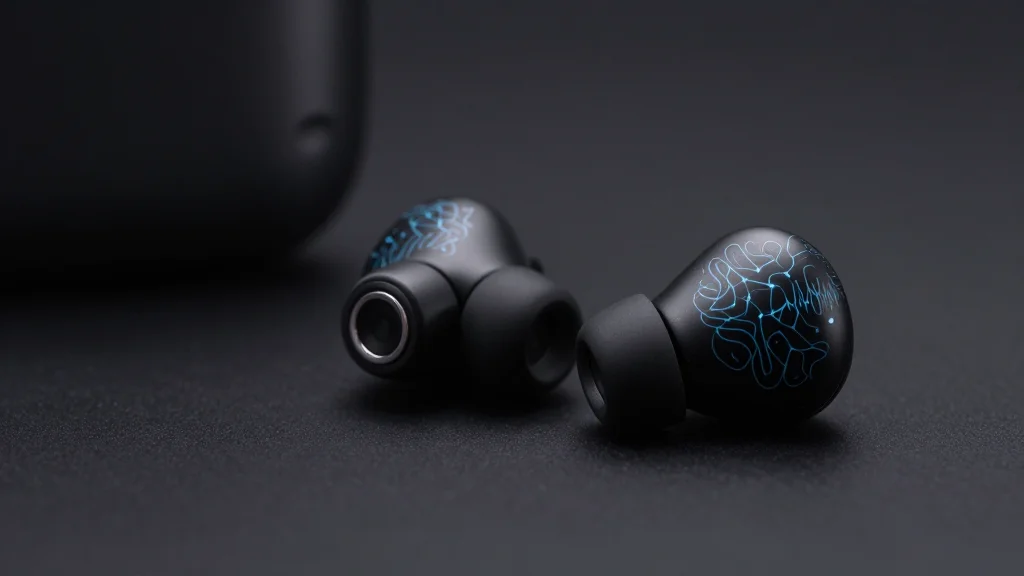
Neurable Licenses $700 Consumer BCI Headphones, Secures $1.2M Pentagon Deal

Why It Matters
Neurable’s licensing push could democratize access to brain‑computer interfaces, moving BCI from niche research labs into everyday consumer gadgets. By embedding AI‑driven neuro‑sensing into mainstream form factors, the company may unlock new interaction paradigms for AR/VR, gaming and productivity software, potentially redefining hands‑free control. At the same time, the Pentagon partnership spotlights the growing convergence of defense research and consumer tech, raising questions about data ownership, consent and the long‑term societal impact of pervasive brain‑monitoring devices. The $700 price point also tests market willingness to pay for speculative cognitive insights. If consumers adopt the technology, it could spur a wave of neuro‑data services, prompting regulators to craft new privacy frameworks. Conversely, failure to gain traction may reinforce skepticism about the commercial viability of non‑invasive BCI, slowing investment in the sector.
Key Takeaways
- •Neurable launches licensing program for non‑invasive BCI headphones priced at $700.
- •Company secures a $1.2 million research contract with the U.S. Pentagon for cognitive‑fitness monitoring.
- •Press release quote highlights OEMs can integrate AI‑powered brain‑sensing while retaining design control.
- •James Giordano warns of potential dystopian misuse of enforced BCI devices.
- •Potential impact spans AR/VR, gaming, productivity and raises privacy/ethics concerns.
Pulse Analysis
Neurable’s move represents a calculated gamble to shift BCI from a laboratory curiosity to a commodity component. By offering a licensing model rather than a proprietary product line, the startup sidesteps the massive capital outlay required to build a consumer brand, instead leveraging existing OEM distribution channels. This mirrors the strategy of early smartphone chip makers who supplied silicon to multiple handset makers, accelerating ecosystem growth.
The $700 price tag is both a signal and a barrier. It positions the headphones as premium accessories, likely limiting early adoption to early‑tech enthusiasts and niche professional users. However, if OEMs can bundle the technology into higher‑margin devices—such as AR glasses that already command premium pricing—the cost may be absorbed, paving the way for broader diffusion. The real test will be whether the brain‑signal data can deliver actionable insights that justify the expense, a hurdle that has tripped many prior BCI attempts.
The Pentagon partnership adds a layer of complexity. Defense funding can accelerate R&D, but it also invites scrutiny over data stewardship and potential militarization of consumer tech. As Giordano’s cautionary remarks illustrate, the line between voluntary health monitoring and coercive surveillance could blur if military‑grade neuro‑metrics become a selling point for commercial products. Regulators may soon need to address consent frameworks for biometric data that is simultaneously valuable to private firms and national security agencies.
Overall, Neurable’s licensing rollout could be a catalyst for a new wave of neuro‑aware devices, but its success hinges on three variables: demonstrable performance in noisy real‑world settings, consumer willingness to pay for cognitive analytics, and the establishment of clear ethical guidelines governing brain‑data collection. The coming months will reveal whether the market embraces this vision or remains skeptical of brain‑reading headphones as a gimmick.
Neurable Licenses $700 Consumer BCI Headphones, Secures $1.2M Pentagon Deal
Comments
Want to join the conversation?
Loading comments...