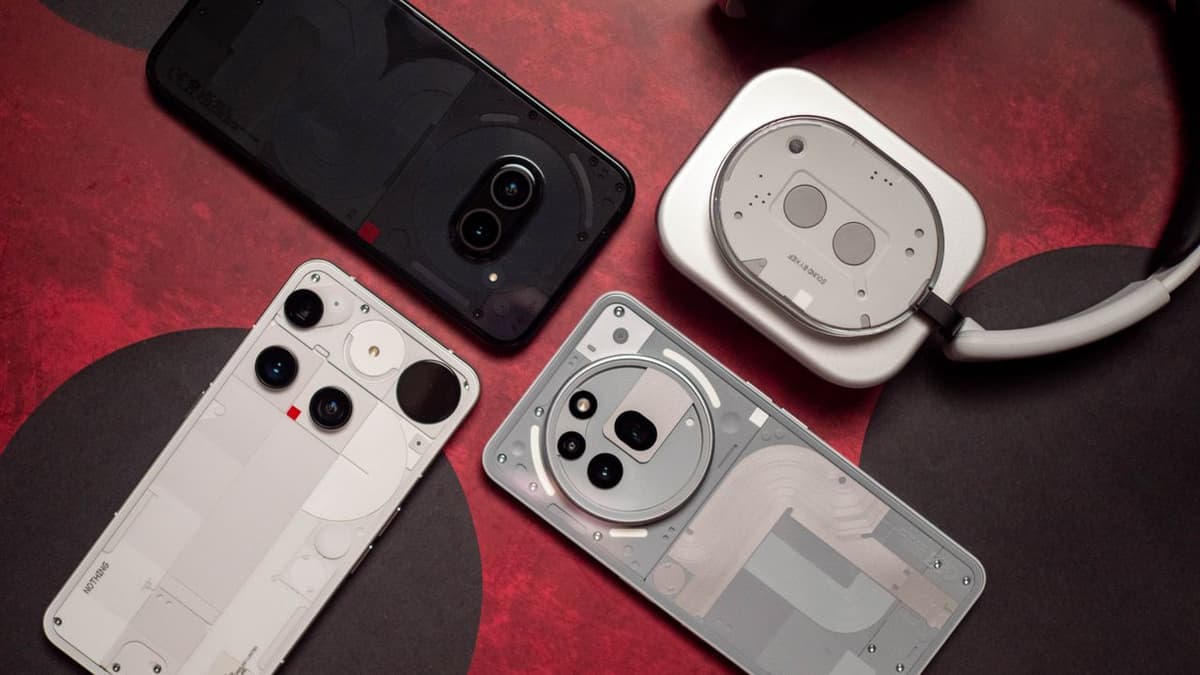
Nothing Is the only Brand Taking the Counterfeit Tech Problem Seriously
•February 19, 2026
0
Companies Mentioned


Why It Matters
Counterfeit devices pose safety risks and erode brand trust, threatening revenue and consumer confidence across the tech sector. Nothing's transparent crackdown sets a precedent for proactive brand‑level anti‑counterfeit strategies.
Key Takeaways
- •Nothing seized over 1,100 counterfeit items in India
- •Fake listings mimic packaging, unboxing, and pairing experience
- •Price far below market signals likely counterfeit
- •Consumer education reduces counterfeit purchase risk
- •Official channels guarantee warranty and product safety
Pulse Analysis
The counterfeit technology market has evolved beyond cheap knock‑offs to near‑identical replicas that replicate packaging, unboxing rituals, and even Bluetooth pairing flows. This sophistication makes it increasingly difficult for consumers to differentiate genuine products from fakes, raising safety concerns such as sub‑standard batteries, unregulated firmware, and absent warranties. As brand recognition grows, counterfeiters target high‑profile names, turning the fight against fake tech into a critical component of brand protection and consumer safety strategies.
Nothing’s decision to go public with a detailed YouTube briefing marks a rare, transparent approach among consumer electronics firms. By collaborating with Indian law enforcement and publicly displaying seized counterfeit units, the company not only disrupts illicit supply chains but also educates shoppers on warning signs like unusually low prices, mismatched brand names, and sparse review counts. This contrasts with the more discreet anti‑counterfeit measures of giants like Apple and Samsung, suggesting that smaller, fast‑growing brands can leverage openness to build trust and deter fraud.
The broader industry implication is clear: combating counterfeit tech requires a blend of enforcement, consumer awareness, and secure distribution channels. Brands should invest in authentication technologies, such as tamper‑evident QR codes or blockchain‑based provenance, while retailers must enforce strict verification of listings. For consumers, the safest route remains purchasing directly from official websites or authorized dealers, ensuring warranty coverage and product safety. As counterfeit tactics continue to advance, coordinated efforts across manufacturers, platforms, and regulators will be essential to protect both revenue streams and end‑user confidence.
Nothing is the only brand taking the counterfeit tech problem seriously
0
Comments
Want to join the conversation?
Loading comments...